Regular between-session snackers
A larger pack can suit repeated snacks or additions to meals such as porridge. Plain nuts serve a different purpose from carbohydrate food planned for a hard or long run.


Choose a nut value pack for snacks between training sessions or for adding to meals, rather than relying on plain nuts as the main fuel immediately before or during a long run. The British Dietetic Association advises a low-fat, high-carbohydrate snack or light meal two to three hours before exercise; for hard exercise lasting longer than an hour, it says carbohydrate during exercise can enhance performance. Compare the pack’s ingredients, nutrition, storage instructions and usable size before buying in bulk.
A larger pack can suit repeated snacks or additions to meals such as porridge. Plain nuts serve a different purpose from carbohydrate food planned for a hard or long run.
If timing and carbohydrate matter, compare the nutrition panel rather than treating every nut-based snack as run fuel. The British Dietetic Association’s pre-exercise guidance calls for low-fat, high-carbohydrate food.
Mixed packs may contain several tree nuts, peanuts or other declared allergens. Check the exact ingredients and precautionary statements on the pack you intend to buy.
Decide when you will eat the food, then compare like-for-like nutrition and ingredients before choosing a pack size.
Consider when: You want nuts for snacks between sessions or to add to meals.
Trade-off: Tesco Mixed Nuts list 2.1g carbohydrate and 14.5g fat per 25g, so this example does not match the British Dietetic Association’s low-fat, high-carbohydrate pre-exercise guidance.
Consider when: You want dried fruit as well as nuts in a snack away from the immediate pre-run period.
Trade-off: M&S Fruit and Nuts lists 45g carbohydrate but also 29.5g fat per 100g; check the particular mix rather than assuming it suits a pre-run meal.
Consider when: You want peanuts specifically and their ingredients are suitable for you.
Trade-off: Peanuts are distinct from tree nuts for allergen identification, according to the Food Standards Agency; seasoning and preparation also vary by product.
| Priority | What to check | Your needs |
|---|---|---|
| Training timing | Compare carbohydrate and fat per serving. For food two to three hours before exercise, consider the British Dietetic Association’s low-fat, high-carbohydrate guidance; plan carbohydrate separately for hard exercise lasting over an hour. | I need to distinguish a snack between sessions from food planned before or during a demanding run. |
| Pack value | Compare the unit measure per kilogram, the amount you will use and the storage directions after opening. Check that the packs contain comparable ingredients. | A larger pack only suits me if I can use and store it as directed. |
| Ingredients | Read the named nuts, peanut content, other allergens and precautionary statements. Check the current pack label, as product information can change. | I need the actual mix to fit my ingredient restrictions, not just the category printed on the front. |
| Snack format | Compare plain nuts with fruit-and-nut mixes using carbohydrate and fat per 100g. Check whether a peanut product is ready to eat or requires preparation. | For a portable snack, preparation matters; if I want dried fruit, I need to check what the particular mix contains. |
Tesco Mixed Nuts provide 2.1g carbohydrate and 14.5g fat per 25g. That profile differs from the British Dietetic Association’s low-fat, high-carbohydrate pre-exercise guidance.
Keep nut snacks separate from your plan for carbohydrate before and during demanding sessions, and practise any changes to that plan during training.
A large pack may be inconvenient if you cannot use it within its storage directions, and different mixes do not contain the same ingredients.
Compare the unit measure, ingredients and nutrition alongside the amount you expect to use after opening.
ASDA’s listed mixed nuts contain peanuts and three tree nuts; Tesco’s listed mix contains several tree nuts and carries a warning that it may contain peanuts and other nuts. M&S Fruit and Nuts also lists sulphites.
Read the current ingredients and allergy information for each product rather than substituting one mix for another by name.
Tesco directs shoppers to keep its Mixed Nuts 500g airtight after opening and consume them within four weeks.
Choose a size you can use within the particular product’s label guidance, and keep its original allergen and best-before information available.
Tesco lists both a 500g mixed-nut pack and a 500g unsalted mixed-nut-and-raisin pack.
ASDA lists a 500g mixed-nut selection containing peanuts, pecans, almonds and cashews.
The M&S catalogue lists 750g natural nut and nut-medley formats alongside fruit-and-nut products.
Tesco lists KP dry-roasted and original salted peanuts in 415g packs.
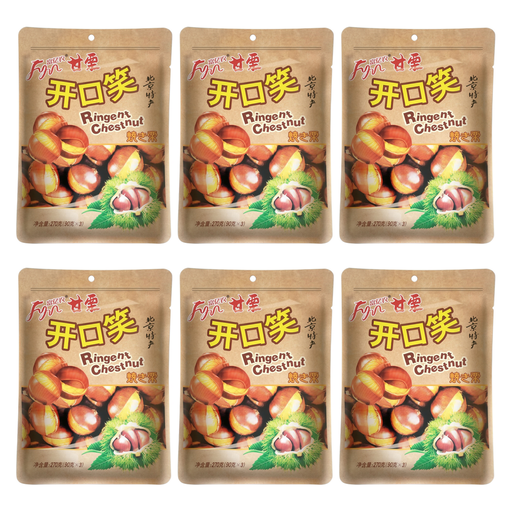
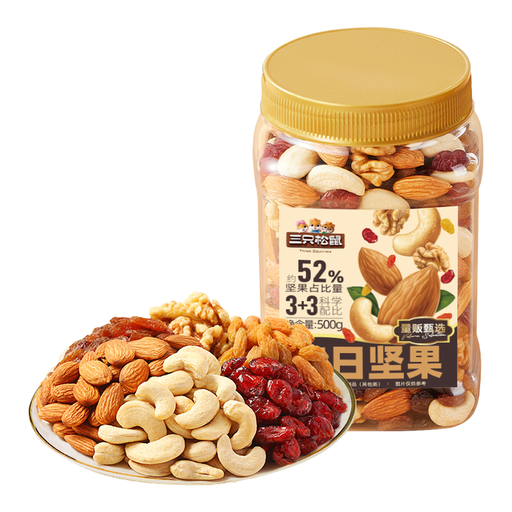
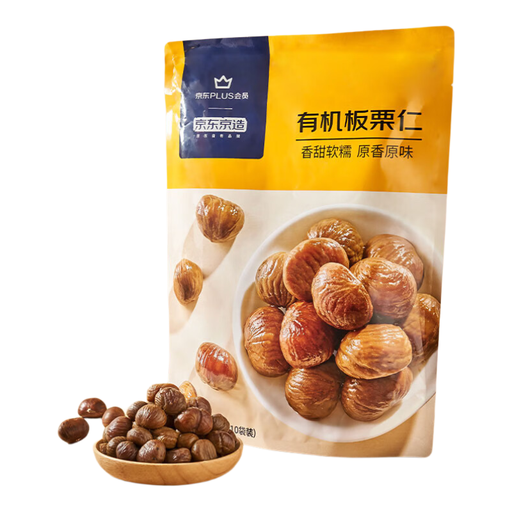
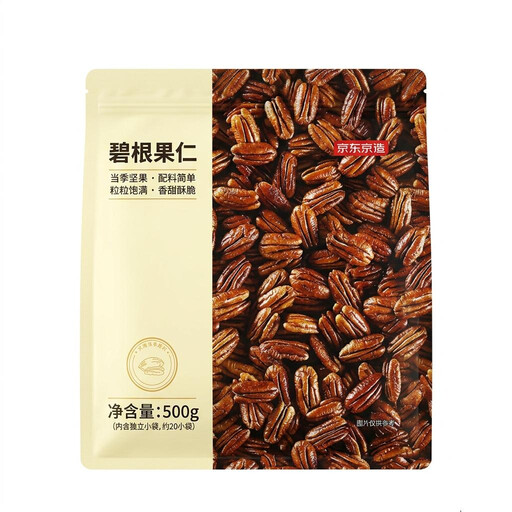
These options cover packaged chestnuts, a jar of Daily Nuts, pecans and raw peanuts. They serve different snack or preparation needs, so compare each label with when and how you intend to use the pack.
 No image available
The smaller packs may suit portioning snacks between sessions. This is a chestnut product, not a mixed-nut pack; check its nutrition and ingredients when planning food around a run.
 No image available
For regular snacks from a 500g jar, check the ingredients for its fruit and nut mix, then compare the nutrition and allergen panel before choosing a portion for a particular training day.
 No image available
These ready-to-eat peeled chestnuts come in ten sachets for taking portions separately. They are not a mixed-nut selection; check the nutrition per portion against the food you plan for training.
 No image available
Consider these pecans for snacks away from the immediate pre-run period. Check the pack’s seasoning, salt and nutrition information rather than assuming they match an unsalted mixed-nut product.
 No image available
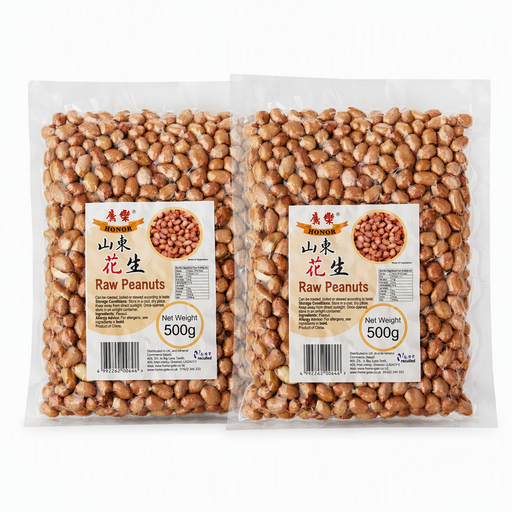
This two-pack is for preparing peanuts at home, not for taking straight from the pack as a ready-to-eat training snack. The raw peanuts require cooking; follow the product’s preparation instructions.
Do not rely on plain nuts alone for the periods immediately before or during demanding endurance exercise. The British Dietetic Association advises low-fat, high-carbohydrate food two to three hours beforehand and says carbohydrate during hard exercise lasting longer than an hour can enhance performance; nuts can instead form part of snacks or meals away from those periods.
It can, but compare the particular products. M&S Fruit and Nuts lists 45g carbohydrate per 100g, while Tesco Mixed Nuts list 2.1g per 25g serving; the M&S mix also lists 29.5g fat per 100g, so its dried fruit does not make it a low-fat pre-run choice.
Their listed ingredients differ: ASDA Mixed Nuts Selection contains peanuts, pecans, almonds and cashews; Tesco Mixed Nuts lists hazelnuts, almonds, cashews and walnuts and warns that it may contain peanuts and other nuts. Check the current labels for the mix and allergen information you need.
No. The Food Standards Agency distinguishes peanuts, which are legumes, from tree nuts such as almonds and cashews. Read each product’s ingredients and allergy information rather than relying on the general word “nuts”.
Follow the directions on that pack. Tesco says its Mixed Nuts 500g should be kept airtight after opening and consumed within four weeks; consider whether that period fits how quickly you will use it.