Families portioning lunches at home
A larger pack can be divided across several lunches. Check its weight, suggested servings and storage directions, then choose a nut mix everyone eating it can have.


For children aged 5 or over who can eat whole nuts, a larger pack suits lunches portioned at home if you can store it as directed; separate sachets are easier to pack for days out. Before choosing either format, check the exact ingredients and salt content, any school or holiday-club policy, and whether everyone eating the nuts can have them. The NHS advises against giving whole nuts to children under 5 because they can choke.
Start with where lunch will be eaten and who will eat it. A pack that is convenient at home may need portioning into containers before a day out.
A larger pack can be divided across several lunches. Check its weight, suggested servings and storage directions, then choose a nut mix everyone eating it can have.
Separate portions reduce the need to fill containers each morning. Check the portion size, ingredients and salt on the exact pack, as well as whether whole nuts are appropriate for the child.
Read the ingredients and any cross-contact statement for the specific product. For a school or holiday-club lunch, check that provider’s current policy before packing nuts; the Department for Education says schools in England must publish an allergy safety policy.
Check age and allergen suitability before deciding between a sharing pack and individual portions. Then compare the format, storage directions and nutrition label for the lunches you plan to pack.
| Priority | What to check | Your needs |
|---|---|---|
| Age and texture | Check whether the product contains whole nuts or peanuts and who will eat them. The NHS says not to give whole nuts to children under 5 because they can choke. | I need a lunch option that is appropriate for the child’s age, not simply a larger pack of a familiar snack. |
| Allergens and provider rules | Read the exact pack’s ingredients and cross-contact statement. Check the school or holiday club’s current food policy; the Department for Education says schools in England must publish an allergy safety policy. | Before I pack nuts for an activity, I need to know both what is in the product and what the provider allows. |
| Portions and storage | Compare pack weight, the number of separate portions or suggested servings, and storage directions after opening. Check whether you will need containers for a larger pack. | Will I portion lunches at home, or would separate sachets be easier for days out? |
| Salt and nut mix | Compare salt on the same label basis, such as per 100g or per serving, and read which nuts and other ingredients are included. | I want the seasoning and nut varieties to suit the people eating lunch, rather than assuming all mixed packs are alike. |
A sharing pack does not change the choking risk. The NHS says whole nuts should not be given to children under 5.
For younger children, follow NHS guidance on age-appropriate forms, such as nuts crushed or ground into food or nut butter spread onto food rather than given on its own.
A lunch for a school or organised activity may be subject to that provider’s allergy arrangements. The Department for Education says schools in England must publish an allergy safety policy.
Check the individual school or holiday club’s current packed-lunch rules before sending nuts.
A salted peanut pack and an unsalted mixed-nut pack contain different nut varieties and can have different salt values. For example, Sainsbury’s lists less than 0.01g salt per 30g serving for its 300g mixed nuts, while its KP five-pack listing gives 0.36g salt for each 30g peanut pack.
Read the ingredients, allergen statement and nutrition panel for the exact product and pack size you intend to use.
These examples show how formats and labels differ between particular products; they do not describe every pack sold by each brand or retailer.
KP salted peanuts appear in both a 415g sharing pack and a five-pack of 30g portions in the retailer examples.
ASDA’s 500g mixed-nut selection is a larger pack for portioning at home.
Sainsbury’s 300g mixed nuts provide an unsalted mixed-nut example for home portioning.
The M&S Food range includes single-portion packets, sharing tubs and larger nut packs.
These Joybuy options include larger packs for portioning at home and one pack of separate sachets for lunches away from home. Check the exact ingredients and storage directions before choosing a format.
 No image available
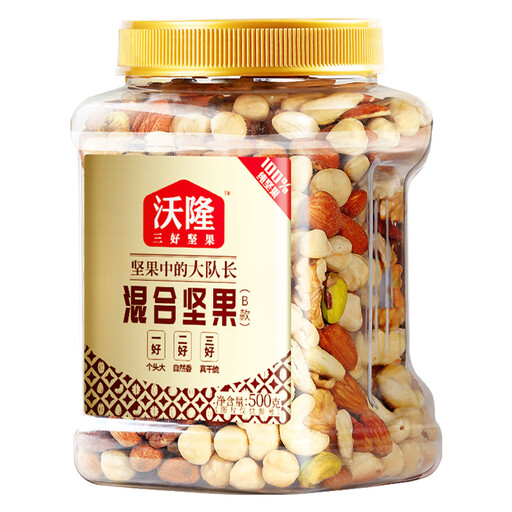
The 500g tin is a larger format to consider when portioning lunches at home. Check the nut varieties and storage instructions on the pack; if it contains whole nuts, follow NHS advice not to give them to children under 5.
 No image available
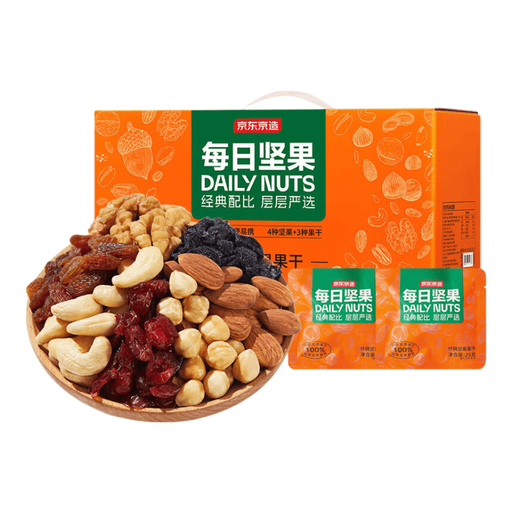
Thirty separate sachets offer a format for lunches packed away from home. The named mix contains nuts and dried fruit; check its full ingredients and any provider policy before packing a sachet. Whole nuts should not be given to children under 5, according to the NHS.
 No image available
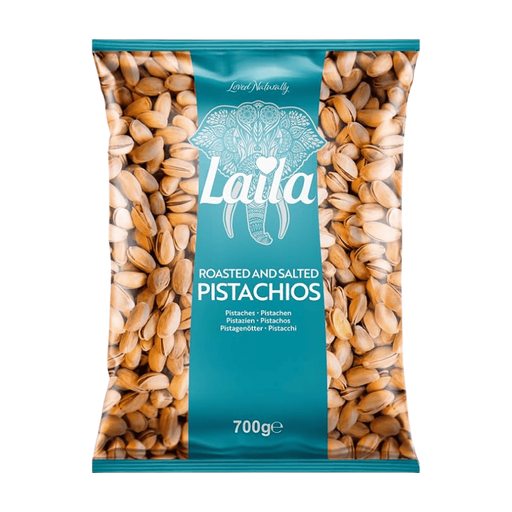
This 700g pack is a single-nut option for a household portioning pistachios at home, rather than a mixed-nut selection. Check its salt value, allergen information and storage directions on the label. The NHS advises against whole nuts for children under 5.
 No image available
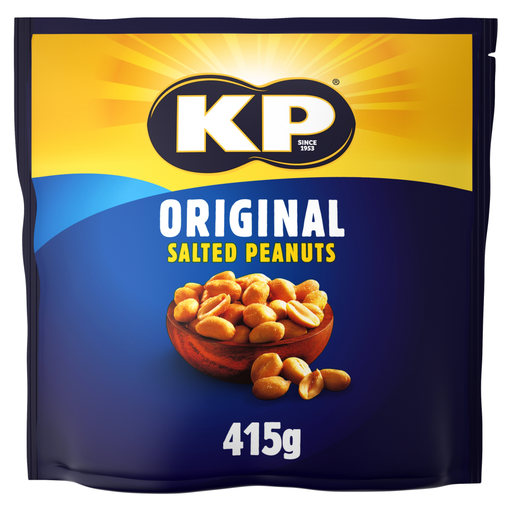
The 415g sharing pack can be portioned at home for people who can eat peanuts. Joybuy lists peanuts, sunflower oil and salt as its ingredients; check the current label and storage directions. The NHS says whole peanuts should not be given to children under 5.
 No image available
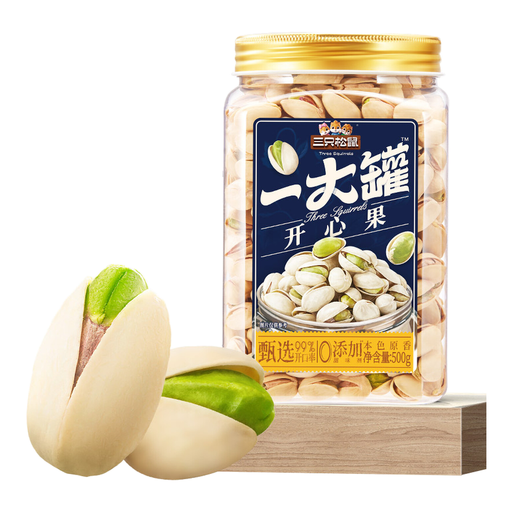
This 500g pistachio pack is another single-nut format to consider for home portioning. Read its directions for use after opening before planning to spread it across lunches. If the pistachios are whole, do not give them to children under 5, in line with NHS guidance.
Do not give whole nuts to children under 5: the NHS warns that they can choke. Its guidance describes crushed or ground nuts incorporated into food and nut butter spread onto food, rather than given alone; consider the child’s circumstances and any allergy advice before offering nut products.
Check the individual provider’s current packed-lunch and allergy policy before packing them. The Department for Education says schools in England must publish an allergy safety policy; that does not establish one rule for every school or holiday club.
Follow the directions on that exact pack, particularly if you plan to use it across several lunches. ASDA’s 500g mixed-nut selection directs shoppers to keep it in a cool, dry place out of direct sunlight and use an airtight container once opened.
No: check each product’s ingredients and cross-contact statement. ASDA’s named 500g selection includes peanuts as well as tree nuts, while Sainsbury’s 300g mixed nuts name several tree nuts. Follow any clinician-directed allergy plan rather than judging a pack by the words ‘mixed nuts’ alone.