Households that regularly use peanuts
A larger single-nut pack may suit a family that uses peanuts in several meals or snacks. Check whether it is raw, roasted or seasoned before planning how to use it.


Choose a larger peanut pack if everyone who will eat it can have peanuts and a single nut type suits your plans. Choose mixed nuts for variety, or a seasoned pack for a particular flavour, but check the exact allergens, salt per 100g and instructions after opening; raw peanuts also need cooking before they are eaten.
A larger single-nut pack may suit a family that uses peanuts in several meals or snacks. Check whether it is raw, roasted or seasoned before planning how to use it.
A mixed pack can serve recipes and snacks that call for variety. Compare its named nuts and salt per 100g with the household’s preferences rather than assuming all mixes contain the same ingredients.
The exact ingredients, precautionary allergen wording and any choking warning may determine whether a pack is suitable. The Food Standards Agency distinguishes peanuts from tree nuts, so check for both rather than treating them as one allergen category.
Start with the pack’s contents and how the household will use them, then check the label details that could rule out a choice.
| Priority | What to check | Your needs |
|---|---|---|
| Pack size and use | Check the net weight, whether the pack contains one nut type or a mix, and any directions for use after opening. | We use nuts regularly, but a larger pack only makes sense if we can use it as directed after opening. |
| Nut type and seasoning | Read the ingredient list to distinguish peanuts from mixed tree nuts, and raw nuts from roasted or seasoned products. Compare salt per 100g on the exact packs. | For cooking, I may want a plain ingredient; for sharing, the family may prefer a particular mix or flavour. |
| Allergens | Check every named nut, peanut ingredient and precautionary allergen statement. The Food Standards Agency classifies peanuts separately from tree nuts. | Everyone who will eat the pack needs to be able to have its ingredients, taking any relevant precautionary wording into account. |
| Preparation | Check whether the product is ready to eat or requires cooking, and follow its own preparation instructions. | If I need a snack straight from the pack, raw peanuts that require cooking will not serve that purpose. |
| Storage | Read the storage directions and any period stated for use after opening; follow the instructions for that particular product. | Our household needs a pack we can store properly and finish within its labelled period. |
A mix can contain several named tree nuts as well as peanuts, while a peanut product may carry precautionary wording about other allergens. The Food Standards Agency distinguishes peanuts from tree nuts.
Read the current ingredient list and precautionary statement for the exact pack, especially when buying for someone with an allergy.
ASDA Groceries lists 0.03g salt per 100g for its Mixed Nuts Selection and 0.77g per 100g for its Dry Roasted Peanuts; Tesco Groceries lists 1.2g per 100g for KP Original Salted Peanuts. These figures describe those specific products, not every mix or roast.
Compare the salt figure per 100g on the packs you are considering. The NHS suggests unsalted nuts as a swap for salted nuts when reducing salt.
Tesco Groceries lists an instruction to consume KP Original Salted Peanuts within seven days of opening; Marks & Spencer gives the same period for its Roasted and Salted Mixed Nuts.
Check the chosen pack’s own storage and post-opening instructions before selecting a larger format.
These ranges illustrate different formats and ingredients; check the current label for the specific product you choose.
Asda lists both a 500g dry-roasted peanut pack and a 500g mixed-nut selection.
Tesco lists a 500g mixed-nut pack and a separate 500g unsalted mixed nuts and raisins pack.
Sainsbury's lists 550g own-label salted and dry-roasted peanut packs alongside a KP peanut product.
KP Original Salted Peanuts is a 415g seasoned peanut option.
Marks & Spencer lists 400g and 750g Eat Well Roasted Nut Medley formats and a 550g roasted-and-salted peanut option.
These options include raw peanuts for home preparation, mixed nuts, flavoured peanuts and pistachios. Check each pack’s preparation, ingredients and storage instructions before choosing for a family shop.
 No image available
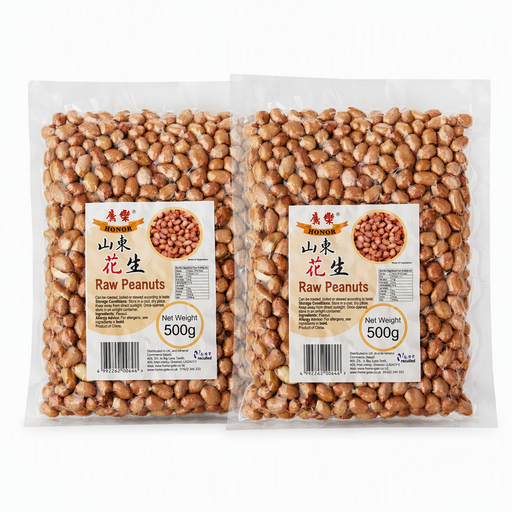
Two 500g packs offer raw peanuts for a household that plans to prepare them at home. Cooking is required before consumption; follow the product’s instructions rather than treating them as a ready-to-eat snack.
 No image available
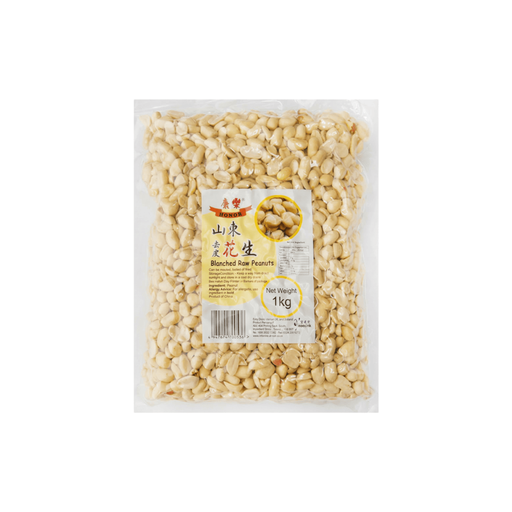
This single-nut pack suits recipes calling for blanched peanut kernels. The product information says cooking is required before consumption, so check the preparation directions before use.
 No image available
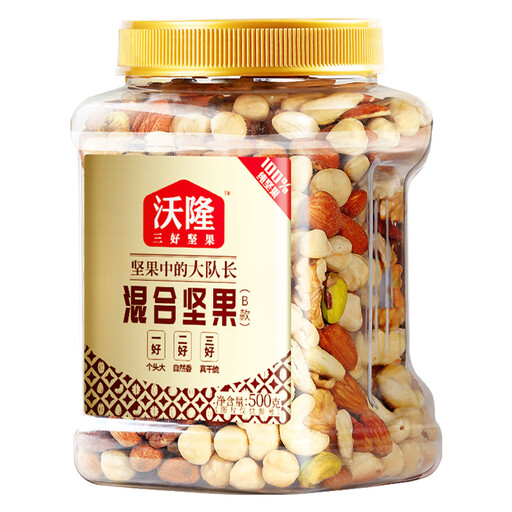
A mixed-nut option for households seeking variety rather than a peanut-only pack. The product information names almonds, cashews, walnuts, hazelnuts, pecans and pistachios; check every ingredient and precautionary allergen statement before sharing.
 No image available
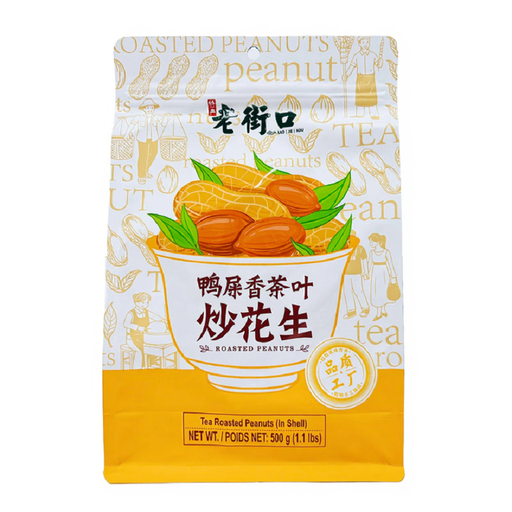
This flavoured peanut pack is an option when the household wants tea-infused seasoning rather than plain nuts. Compare its salt per 100g and read the full ingredient list if seasoning ingredients matter to your choice.
 No image available
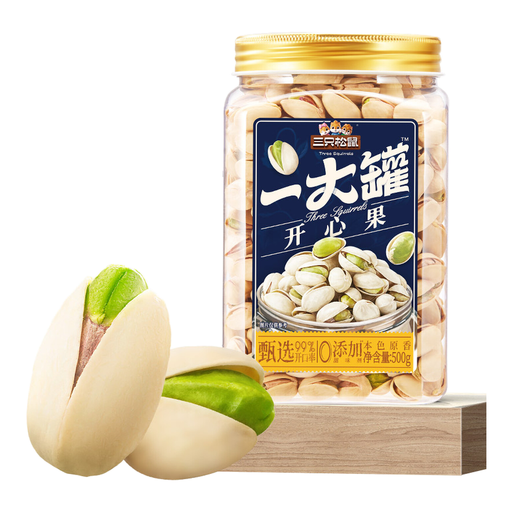
A single-tree-nut choice for a household that wants pistachios instead of peanuts or a mix. Check the pack’s seasoning and allergen statements; it does not provide the variety of a mixed-nut pack.
Choose a peanut pack when a single nut type suits everyone who will eat it; choose a mixed pack when you will use the variety and every ingredient is suitable. ASDA Groceries lists peanuts, pecans, almonds and cashews in its 500g Mixed Nuts Selection, illustrating why the named ingredients matter.
No. The Food Standards Agency describes peanuts as legumes and distinguishes them from tree nuts such as almonds and cashews. Check both the ingredients and any precautionary allergen statement on the exact pack.
Compare the label’s salt figure per 100g for each exact product, including plain and seasoned varieties. ASDA Groceries lists 0.03g per 100g for its Mixed Nuts Selection and 0.77g for its Dry Roasted Peanuts; Tesco Groceries lists 1.2g for KP Original Salted Peanuts. The NHS suggests unsalted nuts as a swap when reducing salt.
Follow that pack’s storage directions and any stated period for use after opening. Tesco Groceries instructs consumers to use KP Original Salted Peanuts within seven days of opening, and Marks & Spencer states the same period for its Roasted and Salted Mixed Nuts.
Check the product’s choking warning before offering whole nuts to a young child. Marks & Spencer states that its Roasted and Salted Mixed Nuts are not suitable for children under 36 months because of a potential choking hazard.