Who might consider a larger pack?
A larger pack is most useful when its contents fit how you plan to prepare, portion and store them.
Shoppers planning snack portions
If you keep nuts for regular snacks, consider whether you can divide a large pack into planned servings instead of eating directly from it. Cambridgeshire and Peterborough NHS Foundation Trust advises attention to snack portion size and frequency for a weight-management goal.
Shoppers using nuts in meals
A pack of whole or plain nuts may suit breakfasts, salads or other planned meals. Check the ingredients and nutrition panel for the particular product rather than relying on a general impression of the category.
Shoppers comparing unsalted peanuts
If added salt matters to your choice, compare unsalted peanuts with the salted, coated or flavoured alternatives you would otherwise buy. Read the ingredient list and per-100g salt figure for the exact variant.
What should you check before choosing?
Start with how you will use the nuts, then compare products of the same type using their pack labels. A large cooking ingredient and a ready-to-eat snack serve different purposes.
| Priority |
What to check |
Your needs |
| Planned portions |
Consider how you will divide the pack before snacking and how often you expect to use it. Check whether the opened pack needs a separate storage container. |
I want enough for several planned snacks or meals without treating the whole bag as one serving. |
| Ingredients and nutrition |
Check whether the nuts are plain, salted, coated or flavoured. Compare energy, salt and sugars on the same per-100g basis, alongside the ingredient lists. |
For a simpler ingredient list, I would start by comparing plain or unsalted products rather than assuming all nut snacks are alike. |
| Pack type and preparation |
Check the weight and whether the product is ready to eat or requires cooking. Follow its instructions for preparation and storage after opening. |
I need a snack I can use as it is, or I am buying nuts to cook with; the distinction changes which pack makes sense. |
| Allergen information |
Read the named ingredients and any may-contain statement on the exact pack. Check mixed nuts for each constituent rather than relying on the product name alone. |
If an allergy is relevant, I need the label for this particular variant, including its cross-contact warning. |
Which brand and retailer listings are relevant?
These examples identify product types to compare; each pack’s ingredients and instructions still need checking individually.
Tesco
Tesco Groceries lists own-label 550g salted and dry-roasted peanut packs, both relevant if you are comparing larger peanut bags.
- The listed variants give you two preparations to assess at the same pack weight.
- Check each variant’s label separately; a shared pack weight does not establish the same ingredients or nutrition figures.
Sainsbury's
Sainsbury's lists own-label peanuts alongside other nut products, including a separately listed Fudco whole-almond pack.
- Different nut types let you choose according to whether you want peanuts, almonds or another product for your planned use.
- Compare ingredients and per-100g information before treating different nut types or mixes as equivalent.
KP
Tesco Groceries and Sainsbury's list a 250g KP unsalted peanut variant; Joybuy lists KP Snacks Unsalted Roasted Peanuts 250g.
- The named unsalted variant is relevant when comparing peanuts without added salt against salted options.
- It remains a multi-serving pack, so decide how you will portion it and check the exact label.
Fudco
Sainsbury's lists Fudco Whole Almonds 500g with almonds as the stated ingredient and 646kcal per 100g in its nutrition table.
- The stated ingredient makes this specific pack straightforward to assess when you want whole almonds for meals or planned snacks.
- Use the per-100g figure to consider your serving, and follow the pack’s storage and allergen information.
Nut packs to consider on Joybuy
These packs cover whole almonds, assorted nuts and peanuts for cooking. Check preparation instructions before choosing a peanut pack as a snack: the raw peanut products below require cooking before they are eaten.
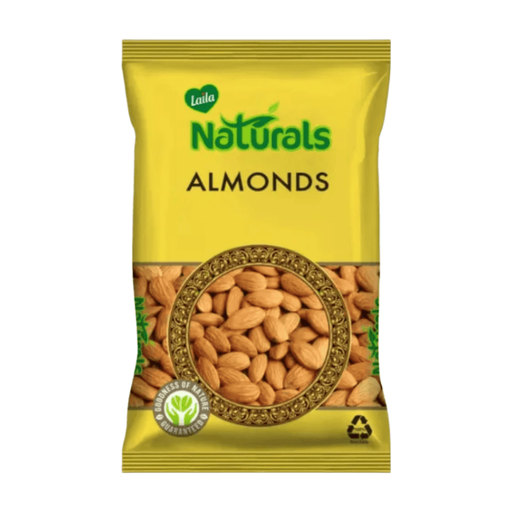 Image unavailable
Laila Almonds 500g
A 500g almond pack to consider for planned snacks or adding nuts to meals. Divide out the amount you intend to use, and check the pack’s ingredient, allergen and storage information.
View on Joybuy
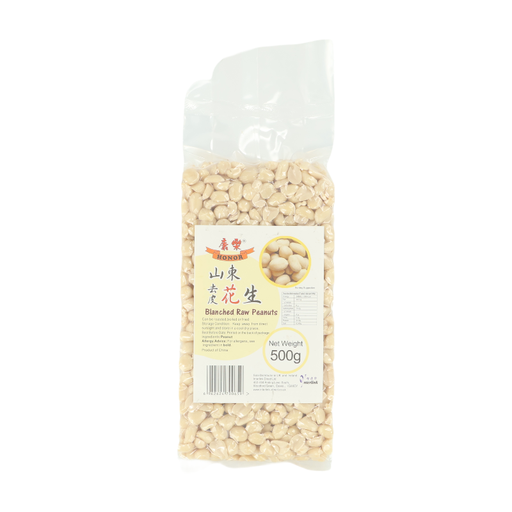 Image unavailable
HONOR Blanched Peanut Kernels 500g
This 500g pack is for shoppers preparing peanuts rather than looking for a ready-to-eat snack. The kernels are raw and must be cooked before eating; follow the product’s preparation instructions and check its allergen label.
View on Joybuy
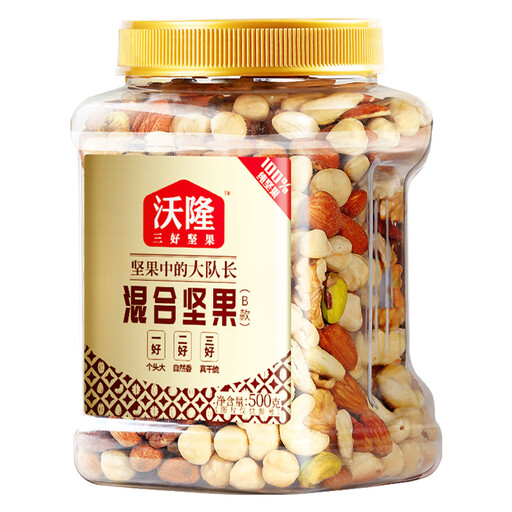 Image unavailable
Wo Long Assorted Pure Nuts Tin 500g
A 500g tin for shoppers who want assorted nuts rather than a single type. Check the precise mix and allergen statement before use, and portion what you plan to eat instead of serving directly from the tin.
View on Joybuy
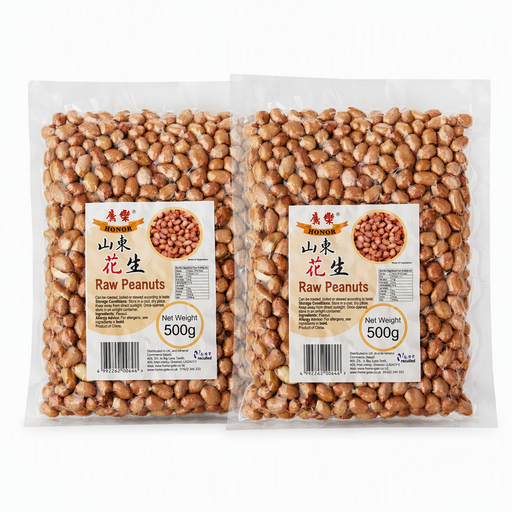 Image unavailable
Honor Shandong Raw Peanuts 500g ×2
Two 500g packs suit someone planning to cook peanuts across several meals. These peanuts are raw and must be cooked before eating; check the preparation and storage instructions for each pack.
View on Joybuy
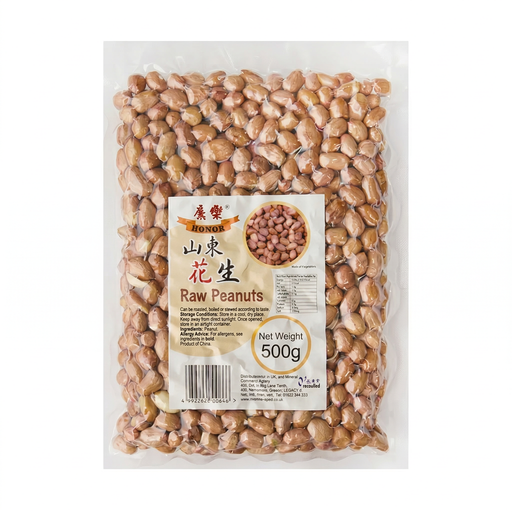 Image unavailable
Honor Shandong Raw Peanuts 500g
This single 500g pack is another option for preparing peanuts at home. It is raw, not a ready-to-eat snack, and must be cooked before eating; follow the pack instructions.
View on Joybuy
Common questions
How do I compare two nut value packs?
Compare products of the same type and intended use: plain peanuts with plain peanuts, for example, rather than assuming they are interchangeable with whole almonds or a nut mix. Check pack weight, ingredients, per-100g nutrition, preparation instructions and storage needs.
Can a large nut pack fit a weight-management eating pattern?
It can if you can plan how much and how often you eat from it; pack size alone does not determine a serving. Cambridgeshire and Peterborough NHS Foundation Trust advises being mindful of snack portions and frequency for a weight-management goal.
Should I choose plain or flavoured nuts?
Start by comparing plain or unsalted products if you want fewer added ingredients to assess. Flavoured products can differ, so read each ingredient list and compare salt, sugars and energy on the per-100g nutrition panel rather than judging by the flavour name.
Are peanuts and tree nuts the same allergen category?
No. The Food Standards Agency identifies peanuts as legumes and lists almonds, cashews and hazelnuts among tree nuts. Check the exact product’s ingredients and precautionary allergen statement when an allergy is relevant.
What does a may-contain statement mean on a nut pack?
It indicates possible unintended presence of a named allergen, as explained by the Food Standards Agency. Read it alongside the ingredient list for the particular pack; a product containing one named nut may also carry a cross-contact warning for another.


