People packing a snack for after the gym
A separate sachet is straightforward to carry from work to a training session. If you also want carbohydrate after exercise, plan another food alongside the nuts rather than relying on the sachet alone.


Choose a nut multipack if separate portions make snacking or sharing after training easier, but do not treat a sachet as a complete recovery meal. Compare the nutrition and ingredients per sachet, especially when choosing between flavours; after prolonged or closely spaced sessions, consider what carbohydrate-containing food you will eat alongside it. Check the current allergen information before sharing.
A separate sachet is straightforward to carry from work to a training session. If you also want carbohydrate after exercise, plan another food alongside the nuts rather than relying on the sachet alone.
Consider the whole meal or snack after training, not just its protein figure. The KP peanut sachets listed by Ocado and Asda contain 1.7g to 4.5g carbohydrate per 30g pack, depending on flavour.
Individual sachets make the pack size clear for each person. Before sharing, check the ingredients and precautionary allergen information on the exact product: peanut and mixed tree-nut packs are not interchangeable for someone with an allergy.
Start with the size of each portion, then compare its nutrition and ingredients with what else you plan to eat after training.
| Priority | What to check | Your needs |
|---|---|---|
| After-training food | Compare protein and carbohydrate per pack. Ocado lists 9g protein and 1.7g or 2.2g carbohydrate in its KP Salted and Dry Roasted 30g packs; Asda lists 8.1g protein and 4.5g carbohydrate in KP Honey Roast. | I want a nut snack, but after a prolonged session or when training again soon, I also need to consider carbohydrate-containing food. |
| Portion format | Check the number of packs and the weight of each. The listed KP multipacks contain five 30g portions; Tesco lists Whitworths 1-Ders as five 25g portions. | Separate packs would be easier for me to carry over several days or divide between people than one opened sharing bag. |
| Flavour and ingredients | Compare sugars, salt and the ingredient list for the exact flavour. Asda lists 4.2g sugars per 30g KP Honey Roast pack; Ocado lists 0.36g salt in KP Salted and 0.48g in Dry Roasted. | I would choose a flavour by reading its own label, rather than assuming every pack from the same brand has the same recipe. |
| Sharing and allergens | Read the current ingredients and any may-contain statement on each product. Check peanuts and tree nuts separately, along with other allergens relevant to the people sharing. | Before offering someone a sachet, I need to check that its particular ingredients and allergen information work for them. |
The KP 30g peanut packs listed by Ocado and Asda contain 1.7g to 4.5g carbohydrate per sachet, depending on flavour. That figure matters when planning food after prolonged or repeated exercise.
Look at the rest of your meal or snack, including whether you want a carbohydrate-containing food alongside the nuts.
Ocado lists different salt amounts for KP Salted and Dry Roasted, while Asda lists 4.2g sugars in a KP Honey Roast sachet.
Compare the per-sachet nutrition and ingredients of the flavour you are buying.
Peanuts and tree nuts are distinct allergens. A product can also carry precautionary information about other allergens.
Check the current packet with the person who will eat it; do not assume a peanut pack is suitable for someone avoiding tree nuts, or vice versa.
Tesco lists its Roasted Nut Snack Pack as one 55g pack. That format differs from five separate 25g or 30g portions.
If you want snacks for several occasions or people, check that the outer pack actually contains individual portions.
These examples show how pack formats differ; a brand name alone does not tell you the portion size or recipe.
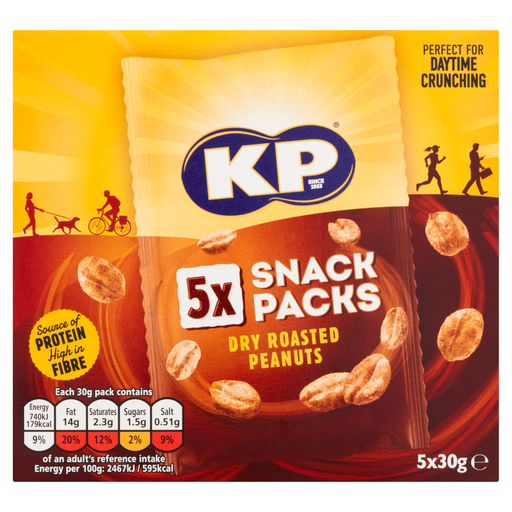
KP Salted, Dry Roasted and Honey Roast peanut multipacks are listed by Ocado or Asda in 5 x 30g formats.
Tesco lists 1-Ders Nut Mix as five 25g packs containing cashews, almonds and walnuts.
Tesco lists an own-label roasted mix of almonds, hazelnuts and cashews as a single 55g snack pack.
The M&S nuts-and-seeds range includes bags of mixed nuts and seeds.
Planters describes a 24-count variety pack in its own product range.
These options include a peanut multipack, nut-based bars and pumpkin seeds. Bars and seeds offer different ingredients and formats from a sachet of nuts, so compare each product on its own terms.
 No image available
Five 30g peanut portions suit someone planning separate snacks. If comparing this with another flavour, read the current per-pack nutrition, ingredients and allergen statement.
 No image available
Consider this four-bar format if you want a peanut-and-chocolate bar rather than a sachet of nuts. Compare its per-bar ingredients and nutrition with the nut packs, and check the allergen label before sharing.
 No image available
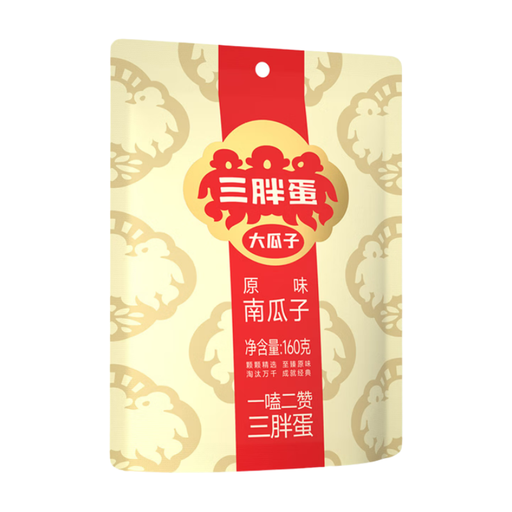
This eight-pack is a pumpkin-seed option rather than a nut multipack. Check the physical pack’s ingredients and allergen information before offering it to someone avoiding nuts.
 No image available
This four-bar pack offers a salted-caramel nut flavour instead of plain nuts. Check its per-bar sugars, salt, ingredients and allergens if those differences matter to your choice.
 No image available
These four 35g peanut bars are another alternative to nut sachets. Read the per-bar nutrition and ingredient list when comparing them with roasted nuts, and check the allergen information before sharing.
Do not assume it is a complete meal, particularly after prolonged or closely repeated exercise. The KP peanut packs listed by Ocado and Asda contain 8.1g to 9g protein but 1.7g to 4.5g carbohydrate per 30g sachet, depending on flavour; consider what other food you will have alongside one.
Check the weight of each sachet or bar, then compare protein, carbohydrate, sugars and salt for that portion. A 25g pack, a 30g pack and a 55g single snack pack represent different amounts of food, even when their per-100g tables look similar.
Check the current packet and the person’s requirements before sharing. Peanuts and tree nuts are distinct allergens, and ingredients and may-contain statements differ between the peanut and mixed-nut products discussed here; do not infer suitability from the product category alone.