Regular lunch packers
A larger bag suits you if you can divide it into portions at home and expect to use the same product across several lunches.


Choose a larger ready-to-eat bag if you pack lunches regularly, are happy to portion nuts at home and expect to finish the bag. Choose a multipack when separate, no-prep portions matter more; an individual snack pack makes more sense if you only need one lunch snack. Whichever format you choose, check the current ingredients and allergen information for the exact product.
A larger bag suits you if you can divide it into portions at home and expect to use the same product across several lunches.
Separate packs can go straight into a work bag or lunchbox. Tesco describes KP’s five 30g salted peanut packs as convenient for use on the move or at work.
The exact nut or mix matters. The Food Standards Agency distinguishes peanuts from tree nuts, while nut-and-seed products may have additional declared allergens.
Start with how often you will pack the snack and whether you want to prepare portions yourself. Then compare the ingredients and the amount you would actually take for lunch.
| Priority | What to check | Your needs |
|---|---|---|
| Pack size | Check the total weight, the number of portions and whether you expect to finish the pack. | I pack lunches often enough to use a larger bag, rather than leaving most of it unused. |
| Preparation | Check whether portions are individually packed or need to be divided at home. KP’s salted peanut multipack, for example, contains five 30g packs, according to Tesco. | On busy mornings, I would rather put a separate pack straight into my bag; otherwise I can portion a larger bag myself. |
| Ingredients and portions | Read the ingredient list and compare nutrition information for the amount you plan to eat. Tesco lists 185 kcal and 0.36g salt per 30g pack of KP Salted Peanuts Snack Packs; those figures do not describe other KP varieties. | I want to know whether I am packing plain nuts, salted nuts or a mix with fruit or chocolate. |
| Allergens | Check the current pack’s ingredients and precautionary allergen statement. The Food Standards Agency identifies peanuts as distinct from tree nuts. | If the snack is for someone with an allergy, I need to check the exact product rather than assume one nut pack is interchangeable with another. |
A larger bag still needs dividing if you want a separate portion ready for each lunch.
Choose a bag when you are willing to portion it at home; choose separate packs when preparation is the obstacle.
Ingredients can change the snack substantially. Tesco’s Planters Energy Mix listing includes milk-chocolate-covered honeycomb and states 7.9g sugars per 50g serving.
Decide which ingredients you want before comparing pack formats, and read the nutrition information for the portion you expect to eat.
An earlier online description may not reflect the pack in your hand, which matters when choosing food for someone with an allergy.
Read the current physical pack’s ingredients and precautionary allergen statement before eating or packing it for someone else.
Tesco’s KP listing and M&S’s nut-and-seed listing both warn about choking on nuts for small children.
Do not treat whole-nut lunch packs as automatically suitable for a young child; follow age-appropriate feeding advice.
A reference for comparing separately packed peanuts with a larger peanut bag for routine lunches.
Its own-label listings illustrate several pack sizes and nut mixes, from small snack packs to larger bags.
A reference for shoppers considering a flavoured mix rather than plain nuts.
A reference for a small nut-and-seed pack intended for carrying on the go.
These options include separately portioned nut products and a larger peanut bag for dividing at home. Check each pack’s ingredients and format before deciding which fits your lunches.
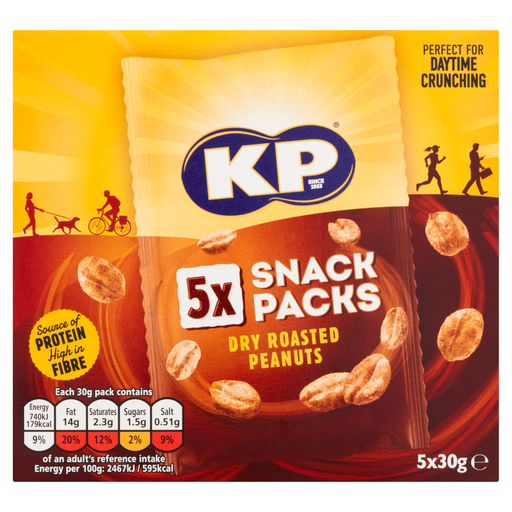 No image available
The five separate 30g packs suit lunches when you do not want to portion peanuts at home. Check the current pack’s allergen information before use.
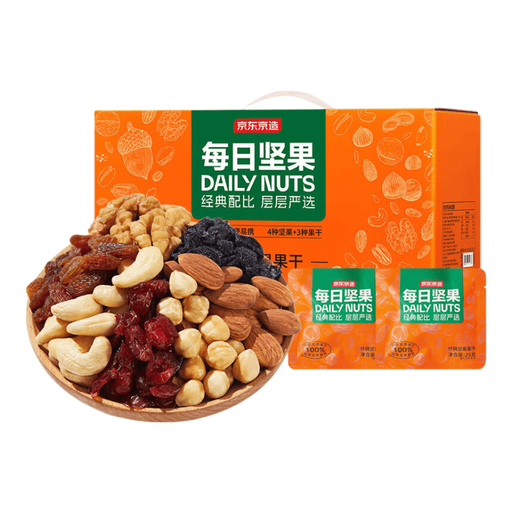 No image available
The 30-sachet nut and dried-fruit format is an option for packing separate lunches without dividing a larger bag. Check the current ingredients if you want plain nuts or need to avoid particular allergens.
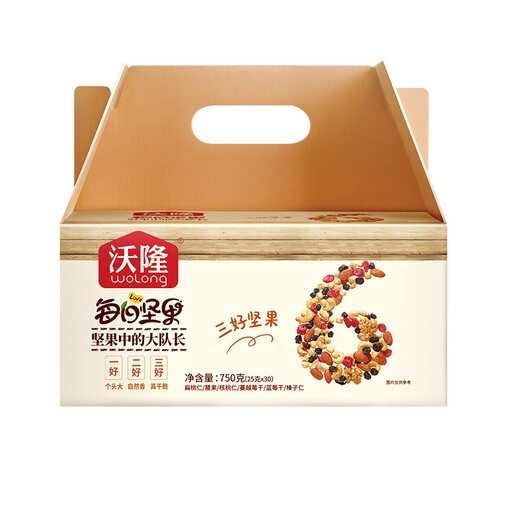 No image available
This 750g nut product is worth checking if you pack lunches repeatedly. Confirm the portion format, ingredients and allergen information on the current pack before deciding how you would carry it.
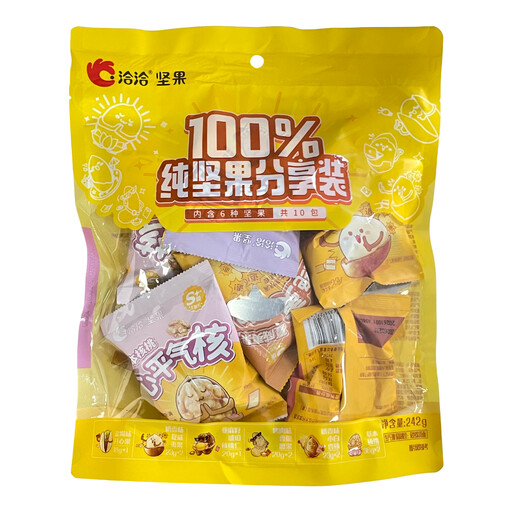 No image available
The assorted nut format may suit lunches where variety matters. Check which nuts and seasonings are in the 242g pack, its allergen information and whether its portions are separately wrapped.
 No image available
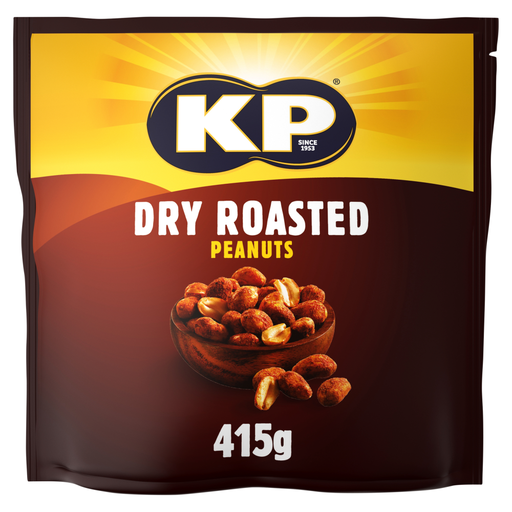
This 415g bag suits someone prepared to divide peanuts into lunch portions at home. It is not a set of individual snack packs; read the current ingredient and allergen information before use.
No. A larger bag is practical if you expect to finish it and can prepare your own portions; a multipack avoids that preparation. Check the pack size and ingredients before choosing.
Use the portion information for the product you buy. Guy’s and St Thomas’ NHS Foundation Trust describes an average nut portion as 30g, about a handful, but individual packs and the amount you choose to eat can differ.
No. The Food Standards Agency identifies peanuts as legumes and distinguishes them from tree nuts such as cashews, almonds and hazelnuts. Check the exact product’s current ingredients and precautionary allergen statement rather than relying on its general description as a nut snack.
Read the physical pack’s ingredient list and precautionary allergen statement for the exact mix. For example, M&S states that its 30g Protein Packed Nut and Seed Mix is unsuitable for people with nut, peanut or sesame allergy; that warning should not be assumed to describe every other mix.