
24/7 Customer Support

Free returns

Same-day & Next-day Delivery

Quality Guaranteed

Unlock Your Welcome Offers: FREE Delivery | Up to 80% OFF | Free 30-day JoyPlus trial
Download the APP
Making fresh juice at home can be convenient, but choosing the wrong machine may leave you with excessive preparation, difficult cleaning or a juicer that does not suit your usual ingredients. Before buying a Nutribullet Juicer 800W or a similar electric juicer extractor, look beyond motor power and promotional wording.
This guide explains the specifications that matter for UK households, common buying traps and which type of juicer may suit different routines.
An 800W centrifugal juicer has a relatively powerful motor for everyday home use, but wattage alone does not determine juice yield, noise, texture or cleaning time. The design of the sieve, feeding chute, speed settings and pulp collection system also affects how practical the appliance feels.
A dual-speed fruit and vegetable juicer can be more useful than a single-speed model because soft produce and hard produce require different operating approaches. However, even a powerful model may not be suitable for every ingredient. Citrus rinds, stones and tough stems usually need removing, while very soft fruits may produce a thicker pulp.
A 3-inch wide chute juicer can accept many smaller apples, pears and vegetables without extensive chopping. This reduces preparation, but it does not mean every fruit or vegetable can be inserted whole.
You should still wash produce and remove hard stones, thick rinds, tough stems and unsuitable seeds. Check the maximum chute diameter and avoid forcing large ingredients into the opening. A food pusher should be used instead of fingers or kitchen tools.
Most juicers advertised as dishwasher-safe only have selected removable parts that can go into the dishwasher. The motor base should not be immersed in water. It normally needs to be unplugged and wiped with a damp cloth.
Before buying an easy-clean juicer, check exactly which components are dishwasher-safe and whether the sieve requires brushing immediately after use. Dried fibre can become more difficult to remove, particularly after making carrot, celery or leafy green juice.
For regular fruit and vegetable juicing, an 800W motor offers useful capacity for soft and hard produce. Look for clear speed controls rather than focusing solely on the wattage figure. On the referenced model, the lower setting is intended for softer ingredients, while the higher setting is designed for harder produce.
Follow the operating instructions and feed ingredients gradually. Excessive pressure can reduce performance and may place unnecessary strain on the appliance.
A 1.5L pulp basin juicer can be practical for couples or families because the pulp container does not need emptying after every small batch. Capacity is especially relevant when preparing several glasses for breakfast or storing juice for later.
The included model has an 800ml juice pitcher with a sealing lid and froth separator. This is a useful size for a small household, although larger families may prefer to pour and serve in batches. Always check storage instructions and consume homemade juice responsibly; the product information states that the pitcher can keep juice fresh for up to 48 hours when sealed, but refrigeration and general food-handling hygiene remain important.
A stainless steel sieve can provide a firm surface for centrifugal extraction, while BPA-free plastic may be used for the pulp basin and pitcher. These material descriptions should be checked in the product specification rather than assumed from the product photographs.
For UK use, verify the voltage, frequency, plug type and included warranty before ordering. The referenced Nutribullet model information lists 220–240V for its global variant and 50–60Hz, but shoppers should confirm that the exact listing supplied is suitable for a UK socket. Check that the machine is fully assembled before operation, keep the cord away from heat and moving parts, and unplug it before cleaning.
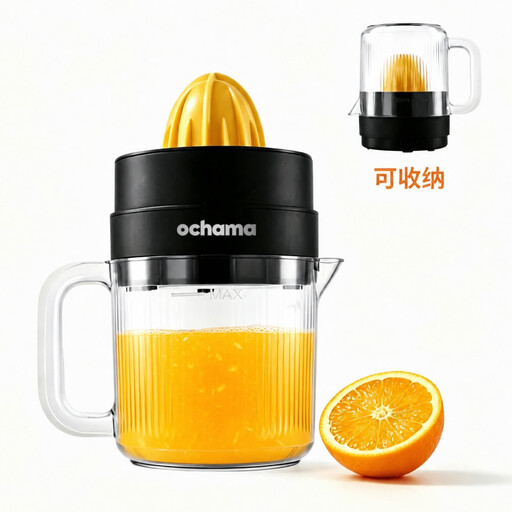
Why This Fits Their Persona: A straightforward option for UK shoppers who mainly want orange, lemon or other citrus juice without paying for a full fruit and vegetable system.
Its purpose is clearly defined, so buyers are less likely to pay for centrifugal features they will not use. It has a bladeless pressing design and removable parts for cleaning.
30W motor, 1.4L capacity and suitability for oranges, lemons, tangerines and pomegranates.
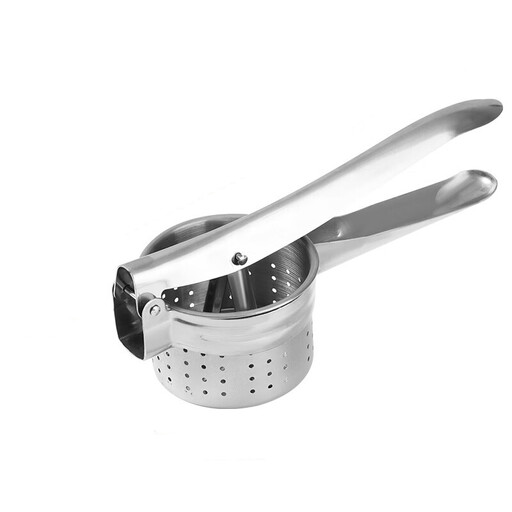
Why This Fits Their Persona: Suitable for shoppers who place visible metal construction and a conventional juicer format high on their purchasing checklist.
The product is identified as a stainless steel juicer, but the available listing information is limited. Confirm capacity, motor power, cleaning method and UK electrical compatibility before purchase.
Stainless steel construction is the stated product characteristic; shoppers should review the full specification for the remaining decision points.

Why This Fits Their Persona: A practical match for families or frequent users making mixed fruit and vegetable juice who want less chopping, a larger pulp container and simpler clean-up.
The wide chute reduces slicing for suitable produce, while the 1.5L pulp basin limits interruptions. Dishwasher-safe removable parts address the common assumption that clean-up will be effortless.
800W motor, two speed settings, 1.5L pulp basin, 800ml pitcher, no-drip spout and dishwasher-safe sieve, pulp basin and pitcher.
An 800W appliance uses 0.8 kilowatt-hours if it runs continuously for one hour. Juicing normally takes considerably less time, so the electricity used per session depends on preparation, operating time and your household tariff.
For example, a 10-minute session uses approximately 0.13kWh, before considering standby consumption. Unplug the juicer after use rather than leaving it connected unnecessarily. The larger ongoing costs are often fresh produce, replacement parts and time spent cleaning, making capacity and removable components important as well as motor power.
We have compiled a complete, real-time list of products that fully satisfy these strict selection criteria and UK safety regulations.
It can accept suitable whole fruit and vegetables under approximately 3 inches in diameter, reducing chopping for some apples and similar produce. You must still wash ingredients and remove stones, thick rinds, unsuitable seeds and tough stems. Never push food down the chute with your hands.
The listed model specifies that the stainless steel sieve, pulp basin and 800ml pitcher are dishwasher-safe. The motor base is not; unplug it and wipe it with a damp cloth. Rinsing the sieve and other parts soon after use can also help prevent fibre from drying onto the surfaces.
Its 1.5L pulp basin, dual-speed control and 800ml pitcher make it a reasonable format for regular household batches. Suitability depends on your preferred ingredients, available counter space and willingness to clean the sieve after each session. Check the appliance’s dimensions, warranty and UK voltage details before ordering.