Who is this choice for?
The useful choice depends on whether you are selecting a small snack, planning what to eat after exercise, or checking ingredients for an allergy.
Shoppers comparing snack calories
Cooked chestnuts are worth comparing with conventional nuts if energy per 100 g is your main criterion. Check the portion you will actually eat as well: a small serving figure and a per-100-g figure answer different questions.
People planning a post-exercise snack
University College London Hospitals NHS Foundation Trust describes carbohydrate-and-protein snacks as options before and after exercise. Chestnuts provide carbohydrate but relatively little protein in the M&S example; Tesco’s measured pistachio portion provides more protein, alongside fat.
Households checking allergens
The Food Standards Agency distinguishes tree nuts from peanuts. Read the wording on the exact pack rather than assuming one nut product has the same allergen information as another; Tesco Pistachios, for example, state that they contain nuts and may contain peanuts and other nuts.
What should you check first?
Decide what the snack needs to do after exercise, then compare energy and nutrients using both per-100-g and actual-portion figures.
Cooked chestnuts
Choose when: You want a chestnut snack with carbohydrate and little fat; M&S Whole Chestnuts list 31.0 g carbohydrate and 1.5 g fat per 100 g.
Bear in mind: The same product lists 2.8 g protein per 100 g, so chestnuts alone may not fit a carbohydrate-and-protein snack plan.
A measured pistachio portion
Choose when: You want protein from a conventional nut and are happy to measure the shelled portion.
Bear in mind: Tesco Pistachios list 145 kcal, 6.2 g protein and 11.6 g fat per 25 g shelled portion; check whether that serving fits what you intend to eat.
A carbohydrate-and-protein snack
Choose when: You want the snack to provide both components, as described in University College London Hospitals NHS Foundation Trust’s exercise-snack guidance.
Bear in mind: Nuts or chestnuts may be one part of that snack rather than the whole choice; check what the other food contributes.
| Priority | What to check | Your needs |
|---|
| Energy and portions |
Read kcal per 100 g and per stated serving. Check whether a nut serving is measured shelled or in-shell, and compare the amount you expect to eat. |
I want to know what my usual snack portion contributes, not mistake a small serving for a lower-energy food overall. |
| Carbohydrate and protein |
Compare grams of each per actual portion. University College London Hospitals NHS Foundation Trust describes snacks containing both as useful around exercise. |
If this is my post-exercise snack rather than just something to nibble, I want to know whether it provides both—or whether I need another food alongside it. |
| Fat and snack format |
Read fat per serving as well as per 100 g. Check whether chestnuts are ready to eat or need preparation, and whether the pack has separate portions. |
A snack I can eat straight away matters on some days; on others, I can prepare food in advance. |
| Overall food intake |
Consider the snack alongside the rest of the day’s food and activity, rather than choosing by the smallest calorie figure alone. |
When I exercise regularly, I do not want a lower-calorie snack choice to stand in for enough food overall. Oxford University Hospitals NHS Foundation Trust describes low energy availability as intake insufficient to support both exercise and normal body functions. |
| Allergen wording |
Check ingredients and any “may contain” statement on the current pack, including for flavoured products and repeat purchases. |
Where an allergy matters in my household, I need the exact product’s wording, not an assumption based on its brand or nut type. |
Brand and retailer references
These examples help put nutrition panels in context; the figures describe the named products, not every item from each brand or retailer.
M&S
M&S Whole Chestnuts provide a cooked-chestnut reference for comparing energy, carbohydrate, fat and protein.
- M&S lists 160 kcal, 31.0 g carbohydrate, 1.5 g fat and 2.8 g protein per 100 g.
- The protein figure matters if you want the snack to provide both carbohydrate and protein after exercise. Check the current pack for the product you buy.
Tesco
Tesco Pistachios provide a conventional-nut example with nutrition stated for a 25 g shelled portion.
- Tesco lists 145 kcal and 6.2 g protein per stated portion.
- That portion also lists 11.6 g fat. The product states that it contains nuts and may contain peanuts and other nuts.
KP
KP Snacks provides product nutrition and ingredient information to help shoppers check individual packs.
- KP Snacks says its product information is updated monthly and includes a list of products containing 100 calories or less per pack.
- Check the named nut product’s own nutrition panel and pack size before applying a per-pack figure to your snack choice.
Chestnut options on Joybuy
These chestnut packs are options for the chestnut side of the snack decision. Check each pack’s nutrition and preparation instructions if you are choosing by calories, protein or how soon you can eat it.
 No image available
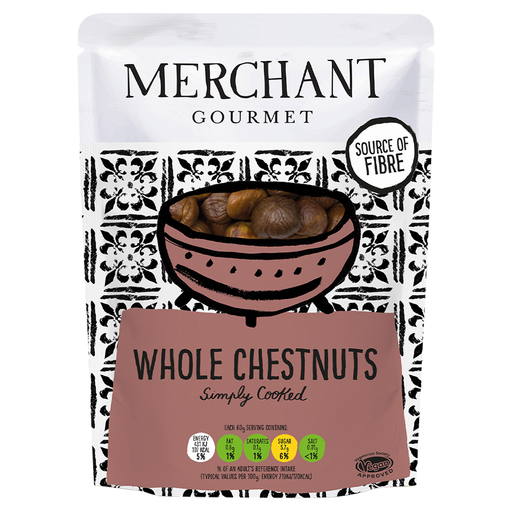
Merchant Gourmet Whole Chestnuts 180g
A whole-chestnut pack to consider when comparing chestnut snacks after exercise. Use its current per-100-g panel and your intended portion to assess energy, carbohydrate and protein; check whether another food is needed for the snack you have in mind.
 No image available
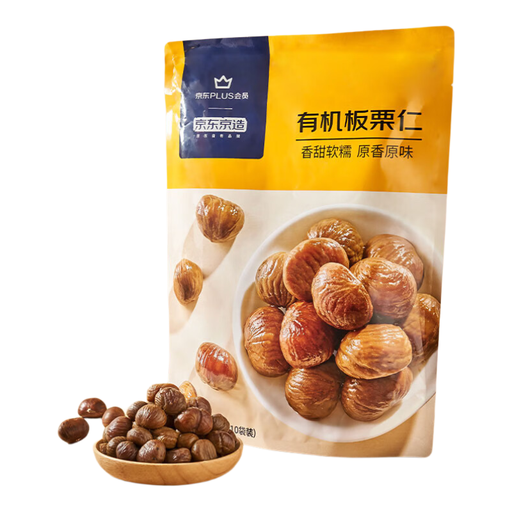
J.ZAO S++ Grade Whole Chestnuts 1 kg (10 sachets)
The 10-sachet format gives you separate packs to consider for post-exercise snacking. Check the amount in a sachet and its nutrition label rather than assuming a sachet matches the serving you want.
 No image available
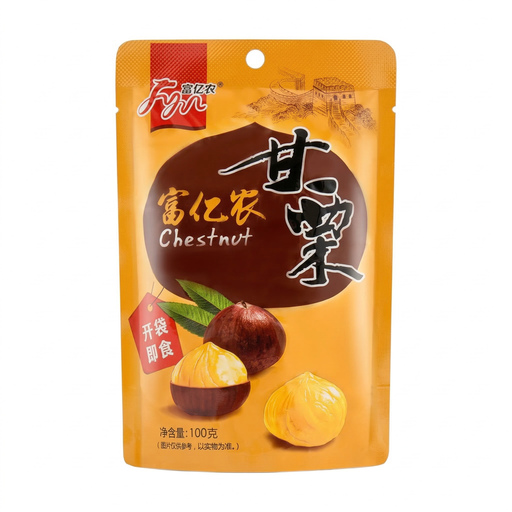
Fu Yi Nong Chestnut 100g
The 100g pack makes it straightforward to relate a per-100-g nutrition panel to the whole pack. Read the current label before deciding how much of it fits your snack.
 No image available
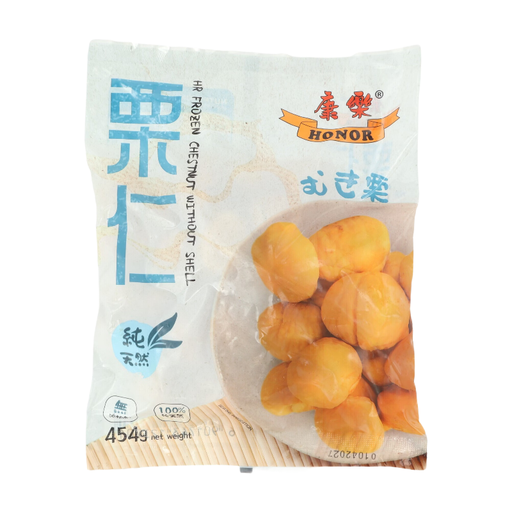
HONOR Chestnuts Without Shell 454g
These shell-free chestnuts are an option if you can prepare a snack in advance. They require cooking and frozen storage, so check the pack instructions before planning to eat them immediately after exercise.
 No image available
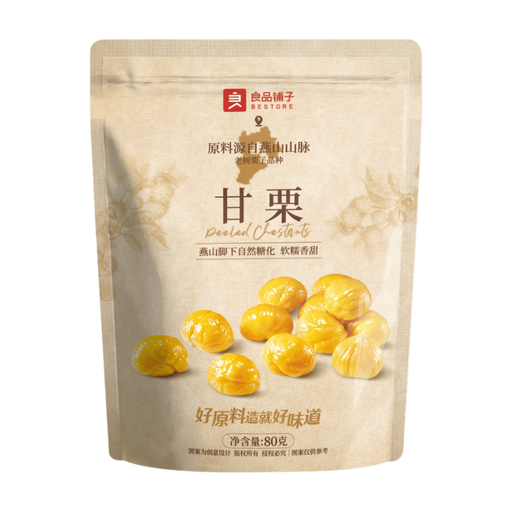
Bestore Chestnut 80g Bag
The 80g bag is a smaller pack format than the other chestnut packs shown here. Compare its nutrition per 100 g and per bag before judging how it fits a calorie-led snack choice.
Questions about nuts after exercise
Are nuts a low-calorie choice after a workout?
Do not assume they are: the type of nut and the amount eaten both matter. M&S Whole Chestnuts list 160 kcal per 100 g, while Tesco Pistachios list 145 kcal per 25 g shelled portion. Compare the products per 100 g, then check what your intended serving contributes.
Are chestnuts enough for a post-exercise snack on their own?
Not if you want that snack to provide substantial protein as well as carbohydrate: M&S Whole Chestnuts list 31.0 g carbohydrate and 2.8 g protein per 100 g. University College London Hospitals NHS Foundation Trust describes carbohydrate-and-protein snacks as useful around exercise, so check whether another protein-containing food belongs in your snack.
Should I choose pistachios for more protein?
A measured pistachio portion is one option when protein from a conventional nut matters to you. Tesco Pistachios list 6.2 g protein, 145 kcal and 11.6 g fat per 25 g shelled portion; use that portion size when deciding how the figures apply to what you will eat.
What should I check on the pack if allergies matter?
Read the exact product’s current ingredients and “may contain” wording. The Food Standards Agency distinguishes tree nuts from peanuts, and Tesco Pistachios state that they contain nuts and may contain peanuts and other nuts. Do not transfer one product’s statement to a different nut or variant.


