
24/7 Customer Support

Free returns

Same-day & Next-day Delivery

Quality Guaranteed

Unlock Your Welcome Offers: FREE Delivery | Up to 80% OFF | Free 30-day JoyPlus trial
Download the APP
Navigating the snack aisle for nuts and dried fruit can feel like a minefield. Packages shout about health benefits, but the small print often tells a different story. As a Joybuy Product Recommendation Officer, my role is to help you see past the marketing clutter and make choices that are right for your pantry and your wallet. Many shoppers find themselves paying a premium for products that aren't what they seem. Let's look at how to avoid the common pitfalls.
Before you add that bag of trail mix to your basket, be aware of a few common issues that can lead to buyer's remorse:
To ensure you're getting quality and value, focus on these key details. They are far more important than the flashy claims on the front of the package.
The ingredients list is your most reliable source of information. For the purest option, look for a single-ingredient product, such as "100% Peanuts" or "Ingredients: Cashew nuts". When considering seasoned or mixed products, watch out for:
Don't be swayed by the shelf price alone. The most effective way to assess value is by comparing the price per 100g. This figure, often displayed on the shelf label in supermarkets or easily calculated online, reveals the true cost. Buying bulk nuts or larger family-sized packs is almost always more economical for regular use, making them ideal pantry staples. A 700g bag might seem like a bigger initial outlay, but it often provides far better long-term value than buying seven 100g packs.
The way nuts are prepared affects both their flavour and their best use.
Based on these principles of transparency, value and quality, here are a few options that align with different needs and lifestyles.

Why This Fits Their Persona: This is ideal for anyone seeking portion-controlled healthy snacks without the guesswork. The 30 individual packs are perfect for lunchboxes, gym bags or desk drawers, ensuring a fresh and balanced snack is always on hand.
It directly counters the "vague ingredient ratios" trap by providing a clear breakdown of its nine nuts and fruits. The pre-portioned packs also prevent mindless overeating, avoiding the "healthy snack" illusion.
Convenient 25g daily packs for portion control. A varied mix including walnuts, cashews, almonds and hazelnuts.
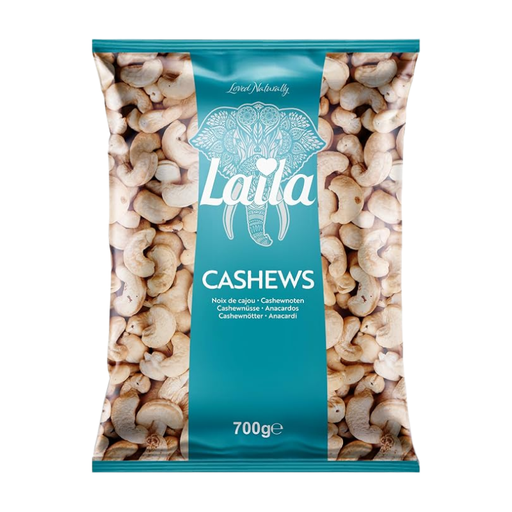
Why This Fits Their Persona: For households that use nuts regularly in cooking, baking and snacking, this large-format bag is an excellent pantry staple. The resealable design helps maintain freshness for a versatile, go-to ingredient.
This bulk nuts pack directly solves the "high cost of convenience" pitfall by offering a much lower cost-per-100g. As a single-ingredient product, it also guarantees purity with no hidden sugars or fillers.
Excellent value in a large 700g pack. Contains only 100% whole cashews, making it highly versatile for culinary use.
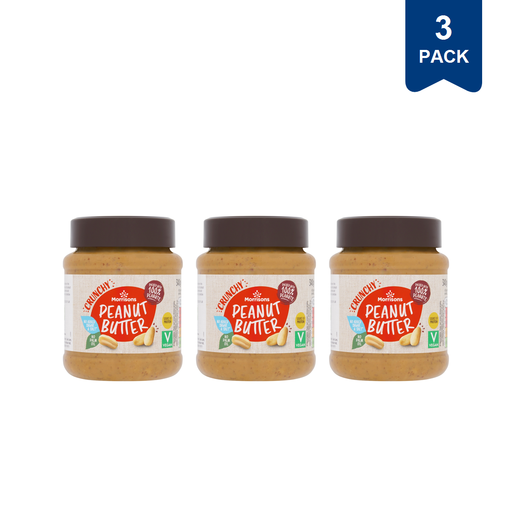
Why This Fits Their Persona: For those who get through a jar of peanut butter quickly, this multi-pack offers both value and quality. It's perfect for spreading on toast, adding to smoothies or using in satay sauces, without any unwanted additives.
This product is the antidote to the "healthy snack illusion." Many peanut butters contain added sugar, salt and palm oil. This one contains only 100% peanuts, ensuring you get a pure, unadulterated product.
Excellent value with a three-pack bundle. Contains no added sugar, salt or oil, just pure peanuts.
We have compiled a complete, real-time list of products that fully satisfy these strict selection criteria and UK safety regulations.
To maintain freshness and prevent the natural oils from going rancid, store your bulk nuts in an airtight container in a cool, dark and dry place like a pantry. For long-term storage (over a month), particularly for nuts with higher fat content like walnuts and pecans, it is advisable to keep them in the refrigerator.
While the high heat of roasting can slightly reduce the concentration of some heat-sensitive vitamins, the difference is generally minimal. Roasting does not significantly impact the mineral, protein, or fibre content. The main nutritional difference often comes from what is added during the process, such as oil and salt. Dry-roasted or raw nuts are good choices if you are monitoring your intake of added fats and sodium.
Dried fruit, like raisins or dried figs, is simply fruit that has had most of its water removed through dehydration. This concentrates its natural sugars and nutrients. Candied fruit, on the other hand, is preserved by being cooked and saturated in sugar syrup. This makes it significantly higher in added sugar and more of a sweet treat than a healthy dried fruit snack. Always check the ingredients to be sure.