
24/7 Customer Support

Free returns

Same-day & Next-day Delivery

Quality Guaranteed

Unlock Your Welcome Offers: FREE Delivery | Up to 80% OFF | Free 30-day JoyPlus trial
Download the APP
Buying nuts and seeds seems straightforward until a snack turns out to be too salty, a family pack loses its freshness, or a bag labelled as a convenient ingredient needs cooking before use. UK shoppers also need to consider allergens, portion sizes, preparation instructions and storage.
Whether you are looking for pistachios, chestnuts, peanuts, cashews, walnuts, pecans, roasted nuts, raw nuts or sunflower seeds, the label matters more than the front-of-pack description. Here are the main pitfalls to avoid and practical ways to match each product with your household needs.
Some nuts are suitable for eating straight from the packet, while others require roasting, boiling or frying. Raw peanuts are a good example: the product information may describe them as versatile, but they are not ready to eat and must be thoroughly cooked before consumption.
Check for wording such as:
Treating a cooking ingredient like a ready-to-eat snack is an avoidable mistake.
Flavouring, salt, sugar and sweeteners can significantly change what you are buying. For example, a seasoned nut mix may offer a crunchy, savoury taste, but its ingredient list can include sugar, salt, spices, acidity regulators and flavouring.
For simpler products, look for a short ingredient list. Plain chestnuts, raw peanuts and natural walnuts may contain only the named nut. For roasted nuts and snack mixes, compare the salt, sugar and saturates per 100g, rather than relying on phrases such as “premium” or “natural”.
Small packs can be practical for desks, lunchboxes and travel, while family-sized nut packs are more suitable for frequent cooking or sharing. However, an oversized pack may go stale if it is opened repeatedly and not resealed properly.
Consider:
The ingredient list should clearly identify the type of nut or seed. Products containing tree nuts or peanuts should be checked carefully if anyone in the household has an allergy. In the UK, allergens must be emphasised on food labels, but shoppers should still read the full packaging, including “may contain” statements.
Examples include:
Do not assume that “natural” means allergen-free.
Nuts and seeds are generally energy-dense foods, so compare nutrition on a consistent per-100g basis. A 25g portion can look very different from the figures for the entire 400g or 500g pack.
Look at:
For example, the listed nutrition for Fu Yi Nong chestnuts is 210 kcal per 100g, with 45.8g carbohydrate, 1.2g fat and 5g dietary fibre. By comparison, some roasted pistachio and cashew products contain considerably more fat and energy per 100g. Neither is automatically right or wrong: the suitable choice depends on whether you want a lighter-textured chestnut snack, a filling nut topping or a sharing product.
Packaging affects convenience and freshness. Vacuum-packed or individually packaged snacks can be useful for offices, commuting and school bags. Larger opened bags should be sealed and kept in a cool, dry place away from sunlight and moisture.
Pay close attention to warnings. The ChaCha Pistachio Sunflower Seeds pack contains a desiccant, which must not be eaten. Raw peanuts may benefit from refrigeration for longer storage, while nuts containing natural oils should be discarded if they develop a rancid smell, mould or an unusual appearance.
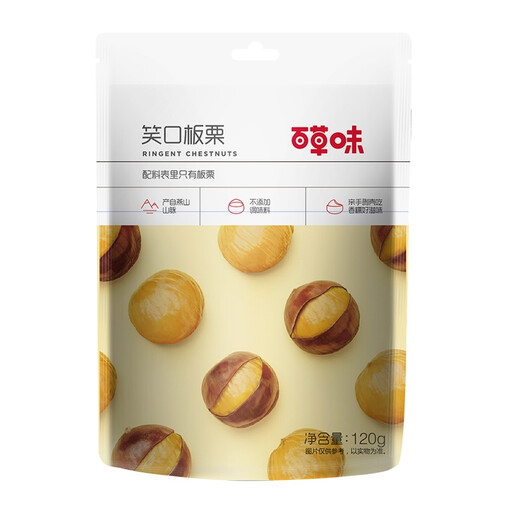
Why This Fits Their Persona: A compact, ready-to-eat chestnut pack suits first-time buyers, lunchboxes and occasional office snacks without committing to a large quantity.
The pack contains chestnuts only and is described as ready to eat, avoiding added seasoning and preparation confusion.
Pre-opened shells; 120g size is convenient for individual use.
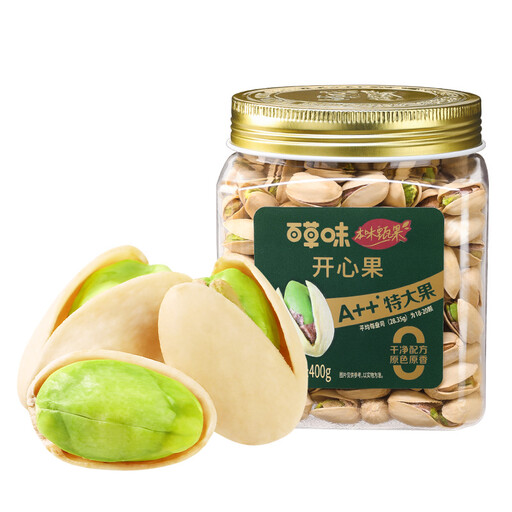
Why This Fits Their Persona: This larger pistachio pack is suited to shoppers who prefer a straightforward ingredient list for sharing, entertaining or regular snacking.
The listed ingredients are pistachios at 98% or above and salt, with no long flavouring list.
400g sharing pack; naturally split shells and salted flavour.
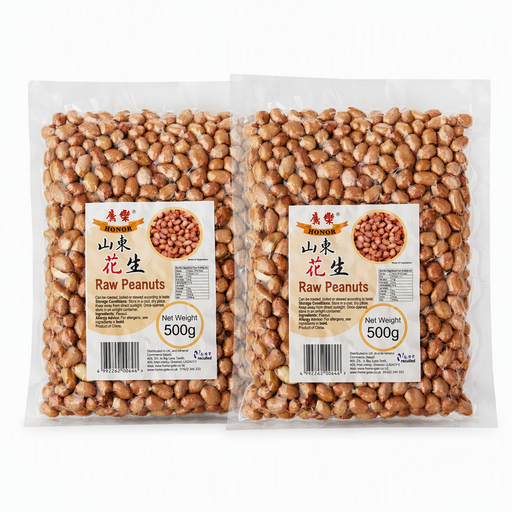
Why This Fits Their Persona: Home cooks, bakers and families can use this two-pack for peanut butter, soups, congee, stir-fries and baking ingredients.
The listing clearly states that these are raw peanuts and must be cooked, preventing accidental direct consumption.
1kg total quantity; suitable for several cooking methods.

Why This Fits Their Persona: A ready-to-eat 500g container works for office kitchens, guest bowls and households that want a creamy, lightly salted snack without preparation.
The product is explicitly ready to eat, while the ingredient list identifies cashews at 99% and salt.
Whole cashews; 17.4g protein per 100g as listed on the product page.
For a sweet, soft snack, plain chestnut kernels such as the 100g Fu Yi Nong pack or 400g Three Squirrels pack avoid shelling and can also be added to desserts. Walnuts and pecans are useful baking ingredients, salad toppings and dessert additions; check whether the product is ready to eat or intended for cooking.
For a mixed snack format, ChaCha Pistachio Sunflower Seeds 198g combines sunflower seeds with 6% hickory nuts and is individually packaged. It is ready to eat, but contains salt, sugar, sweeteners and a desiccant, so read the warnings before serving.
We have compiled a complete, real-time list of products that fully satisfy these strict selection criteria and UK safety regulations.
Some are, but not all. Roasted pistachios, cashews, chestnut kernels and certain sunflower-seed mixes are labelled ready to eat. Raw peanuts and products marked “cooking required” must be heated thoroughly first. Always follow the pack instructions.
Keep them in a cool, dry place away from direct sunlight and moisture. Reseal the bag or transfer the contents to an airtight container. For large packs, refrigeration can help preserve raw peanuts for longer storage. Discard any product with mould, discolouration or an off odour.