
24/7 Customer Support

Free returns

Same-day & Next-day Delivery

Quality Guaranteed

Unlock Your Welcome Offers: FREE Delivery | Up to 80% OFF | Free 30-day JoyPlus trial
Download the APP
Buying nuts and seeds online sounds straightforward, but attractive packaging can hide important differences. A large bag may offer better value, yet become stale before it is finished. “Roasted” does not always mean lightly seasoned, while a product described as a healthy snack may contain added sugar, flavour enhancers or a substantial amount of salt.
As the Joybuy Product Recommendation Officer, my role is to filter out marketing noise and focus on the details that affect everyday use: ingredients, pack size, preparation, storage and intended purpose.
Family-size nut packs can work well for regular snackers, baking and cooking, but only if the contents will be used promptly. A 700g bag of walnuts or pistachios may be economical for a household, while a smaller 100g to 150g pack could be more suitable for occasional use.
Check the price per 100g, not just the headline price. Also look for resealable packaging or plan to transfer opened nuts and seeds to an airtight container.
Salted nuts, roasted nuts and flavoured seeds vary considerably. Plain cashew nuts may contain only the nut itself, whereas caramel sunflower seeds or spicy peanuts can include sugar, sweeteners, oils, flavourings and additives.
For a simpler ingredient list, choose products labelled with one main ingredient, such as 100% chestnuts, walnuts or cooked black sesame. For flavoured snacks, read the full ingredients panel and compare the salt and sugar values per 100g.
Under UK food-labelling requirements, allergens should be clearly identified on the packaging. Common examples in this category include peanuts, tree nuts, sesame, soya, milk and wheat. Products may also carry a “may contain” warning because of shared facilities.
Whole nuts and small crunchy seeds can present a choking risk for young children. Follow the age and preparation guidance on the pack, and never assume that a product is suitable for someone with an allergy simply because the front label appears plain.
Decide whether you need a ready-to-eat snack or an ingredient for cooking. Ready-to-eat snacks may be roasted, salted, spiced or sweetened. Plain nuts are more flexible for porridge, stir-fries, sauces and baking.
For example:
Check whether the product is whole, shelled, halved or kernel-only. Shelled pistachios are convenient for cooking, while in-shell varieties can last longer as a leisurely snack but create more waste.
Choose pack size according to consumption rather than assuming bigger is always better. Smaller packs can help preserve freshness and portion control. Larger packs are useful for families, parties or frequent cooking.
Most ambient nuts and seeds should be kept in a cool, dry place away from direct sunlight. Once opened, reseal the bag or use an airtight container. High-fat products such as macadamia nuts, walnuts and pecans can develop an unpleasant stale flavour if exposed to heat, moisture or air for too long.
Nuts and seeds are energy-dense foods, so compare the nutrition panel rather than relying on words such as “natural” or “healthy”. Look at:
A 25g portion of Morrisons Cashew Nuts 250g is listed as providing 156kcal, 4.8g protein, 0.8g fibre and 0.01g salt. The pack also states that it is suitable for vegetarians and intended for cooking and snacking.
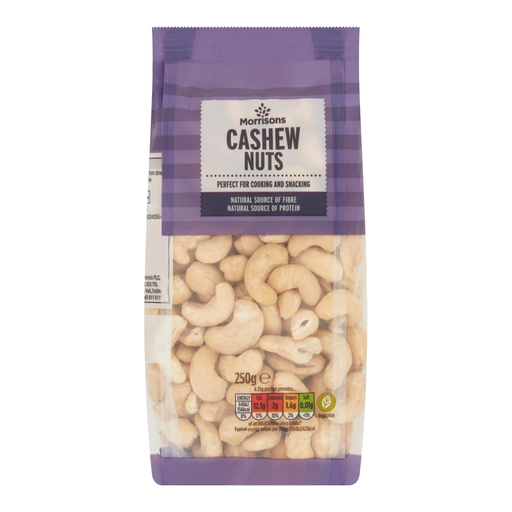
Why This Fits Their Persona: A manageable 250g pack suits first-time buyers who want one ingredient for snacking, cooking and baking without committing to a family-size bag.
The listed ingredients and nutrition panel make it easier to check what you are buying instead of relying on broad front-of-pack claims.
250g pack; suitable for vegetarians; listed as a natural source of fibre and protein.
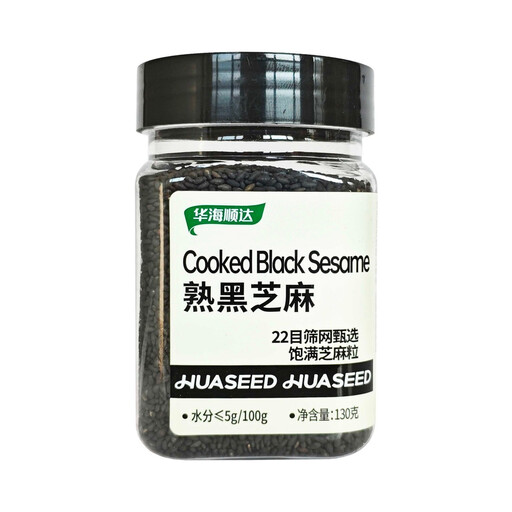
Why This Fits Their Persona: A roasted, ready-to-use seed for shoppers who want a distinctive ingredient for noodles, sushi, salads, desserts and Asian-style cooking.
The ingredient is listed as cooked black sesame at 100%, helping avoid products where decorative seasoning takes priority over the seed.
130g bottle; roasted; ready to eat; versatile for savoury and sweet recipes.
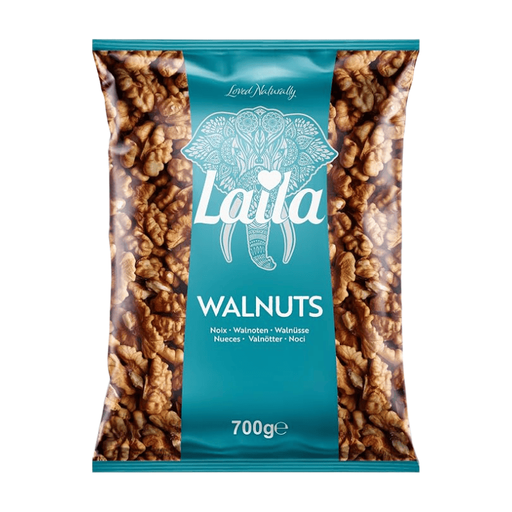
Why This Fits Their Persona: The large family pack is suited to frequent baking, lunchbox preparation, entertaining and regular household snacking.
The pack states a single ingredient, walnuts, so there are no added seasonings to overlook. Resealing after opening helps address freshness concerns.
700g value-sized pack; ready to eat; suitable for baking, sharing and lunchboxes.
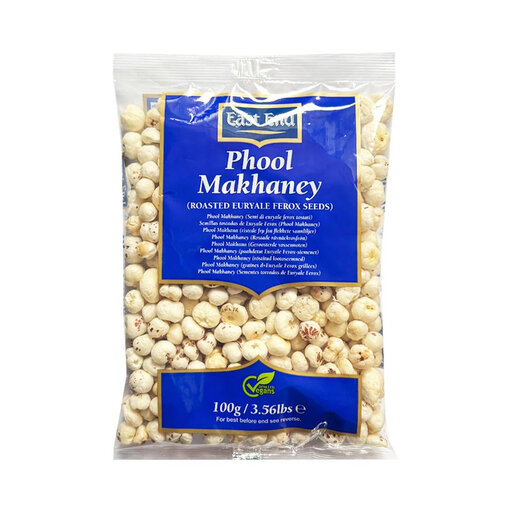
Why This Fits Their Persona: Fox nuts, also called makhana, offer a light, crisp option for office snacking, vegetarian households and Indian-inspired serving ideas.
It is listed as 100% roasted Euryale ferox seeds, with no artificial additives, preservatives, flavours or colours stated in the product information.
100g pack; ready to eat; suitable for vegetarian and vegan diets according to the product information.
We have compiled a complete, real-time list of products that fully satisfy these strict selection criteria and UK safety regulations.
They can form part of a varied diet, but portion size matters because many nuts and seeds are energy-dense. Compare the label per 100g and consider choosing plain or lightly seasoned options when you want greater control over salt, sugar and added ingredients.
Keep them in a cool, dry cupboard away from sunlight and strong odours. Reseal the original packaging or use an airtight container. Follow the pack’s guidance and discard the product if it develops mould, an unusual smell or a stale taste.
Cashew nuts are useful in sauces and stir-fries; walnuts, pecans and macadamia nuts suit cakes and desserts; sesame seeds work as a garnish; and pumpkin or sunflower seeds add texture to salads, bread and breakfast dishes. Check whether the product is already salted or flavoured before adding it to a recipe.