
24/7 Customer Support

Free returns

Same-day & Next-day Delivery

Quality Guaranteed

Unlock Your Welcome Offers: FREE Delivery | Up to 80% OFF | Free 30-day JoyPlus trial
Download the APP
Buying nuts and seeds in the UK should be straightforward, but packaging, portion sizes and flavour claims can make comparisons difficult. A small bag may appear inexpensive but offer poor value, while a large family-sized nut pack can lose freshness if it is not sealed properly. Flavoured products may also contain more salt, sugar or added ingredients than expected.
Whether you need mixed nuts, roasted nuts, salted peanuts, pistachios, walnuts, cashew nuts or seeds for cooking, a few practical checks can help you choose products that suit your household and eating habits.
“Large”, “sharing” and “family-sized” packaging does not automatically mean better value. Compare the price per 100g, not just the total shelf price. A 700g bag may make sense for regular snackers, but smaller packs can be more suitable if you eat nuts occasionally or are trying different flavours.
Also check whether the stated weight includes shells. Shelled products, such as chestnut kernels, provide a ready-to-eat weight, whereas shell-on pistachios and sunflower seeds may leave some of the purchase unused.
Roasted nuts and seeds can be plain, salted, spiced, sweetened or coated. A product described as a snack may contain flavour enhancers, sugar, oils, wheat or soya. For example, spicy peanuts can include chilli, Sichuan pepper, soybean oil and several additives, while flavoured pumpkin seeds may have a sweet coating.
Always read the ingredients list and nutrition panel, particularly when buying salted peanuts, caramel-flavoured pumpkin seeds or Asian snacks for children.
Many products are suitable for direct snacking, but not all nuts and seeds have the same instructions. Some are intended for baking or cooking, while others need soaking or careful preparation. Whole chia seeds absorb liquid and expand, so use them with adequate fluid or soak them as directed on the packaging. Check the label before serving, especially to young children, and keep whole nuts and seeds away from children who may be at choking risk.
UK food labels should identify regulated allergens clearly, commonly through bold type in the ingredients list. Relevant allergens in this category include peanuts, tree nuts, sesame, soya, wheat and celery. “May contain” statements indicate possible cross-contact and should not be ignored.
A product can be vegetarian or vegan while still containing an allergen. For example, a plant-based snack may include peanuts, sesame or soya. If someone in your household has an allergy, check the current pack rather than relying only on an online description.
Choose the format according to how you will use it:
A plain product gives you more control over seasoning, while a ready-to-eat Asian snack is convenient when you want an authentic sweet, savoury or spicy profile without preparation.
Nuts and seeds contain natural oils, so storage affects flavour and texture. Look for a resealable bag, bottle or airtight container, then keep the product in a cool, dry place away from direct sunlight. Follow any refrigeration guidance after opening; some seed blends specifically advise refrigeration and consumption within a stated period.
For occasional use, 100g to 250g packs may reduce waste. Regular snackers, busy families and home bakers may prefer 400g or 700g formats, provided the product can be sealed securely.
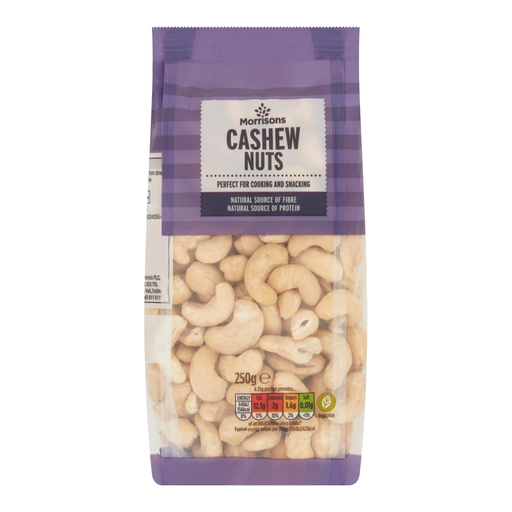
Why This Fits Their Persona: A manageable 250g pack for shoppers trying cashew nuts for everyday snacking, cooking or baking without committing to a large quantity.
The product description identifies a 250g net pack and provides per-100g and per-25g nutrition information, making portion and value comparisons easier.
Suitable for vegetarians; described as a natural source of fibre and protein; suitable for cooking and snacking.
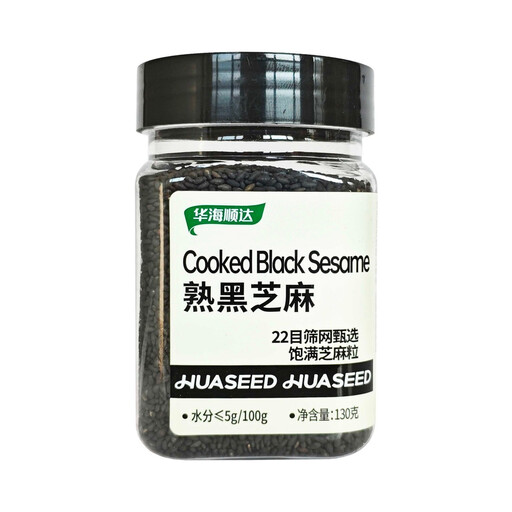
Why This Fits Their Persona: A practical choice for cooks who want roasted black sesame seeds ready to sprinkle over rice, noodles, salads, sushi and desserts.
The ingredients specify cooked black sesame at 100%, avoiding a long seasoning list when a simple cooking ingredient is required.
Bottle format; ready to eat; suitable for Asian cooking, baking and garnishing.
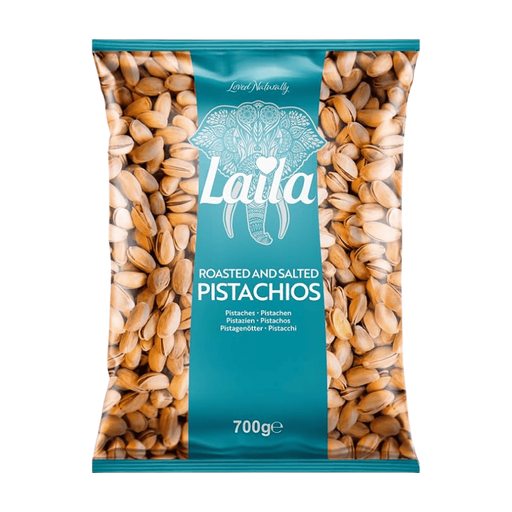
Why This Fits Their Persona: The 700g family-sized nut pack suits frequent snackers, parties, film nights and households that regularly serve pistachios for sharing.
The pack size and resealable packaging are stated clearly, while the ingredients identify roasted pistachio nuts and edible salt rather than implying an unseasoned product.
Large 700g quantity; roasted and salted; resealable bag for storage after opening.
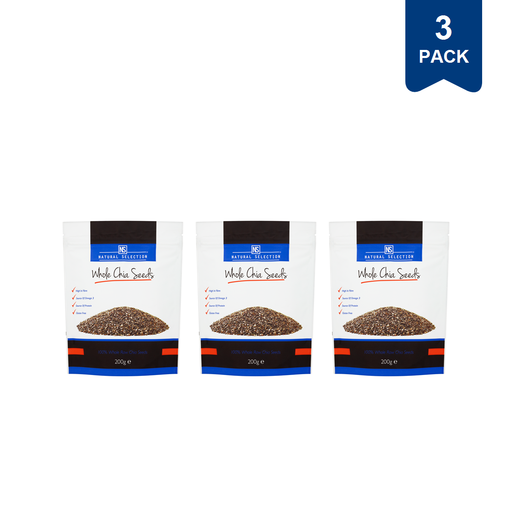
Why This Fits Their Persona: A multi-pack for shoppers who regularly add chia seeds to smoothies, yoghurt, cereals and baking recipes.
The ingredient is listed as 100% whole chia seeds, and the product information includes guidance about absorbing liquid and expanding.
Three 200g packs; no specified allergens in the supplied description; suitable for several cold and baked recipes.
We have compiled a complete, real-time list of products that fully satisfy these strict selection criteria and UK safety regulations.
A 100g to 250g pack is suitable for occasional snacking, testing a flavour or using nuts in a few recipes. Choose 400g to 700g when several people eat them regularly or when you use them for baking and cooking. Compare the price per 100g and check that the pack can be resealed.
Follow the storage instructions on the packaging. Most ambient products should be kept in a cool, dry place away from sunlight. Seed blends or products with specific post-opening instructions may require refrigeration. Once opened, seal the bag or transfer the contents to an airtight container to help preserve texture.
Flavoured nuts can be convenient snacks, but their nutritional profile depends on the added salt, sugar, oils and seasonings. Read the ingredients and nutrition panel rather than relying on terms such as “natural” or “lightly seasoned”. Plain walnuts, cashew nuts, sunflower seeds, pumpkin seeds or sesame seeds may offer greater flexibility for meals, while roasted Asian snacks provide stronger ready-to-eat flavours.