
24/7 Customer Support

Free returns

Same-day & Next-day Delivery

Quality Guaranteed

Unlock Your Welcome Offers: FREE Delivery | Up to 80% OFF | Free 30-day JoyPlus trial
Download the APP
Whether you are filling a lunchbox, stocking an office drawer or planning snacks for a family film night, nuts and seeds snacks offer plenty of choice. The challenge is knowing which products provide practical value rather than paying for oversized packaging, excessive seasoning or a format that does not suit your routine.
From mixed nuts and roasted nuts to sunflower seeds, pumpkin seeds, pistachios and chestnut kernels, compare the ingredients, portion format and storage instructions before buying. This guide highlights common pitfalls and matches different products to everyday UK shopping needs.
A family-size nut pack may appear economical, but a large bag is not automatically suitable for every household. Once opened, nuts and seeds can lose their crisp texture, particularly if the pack is not resealable. A smaller pack or individual sachets may create less waste for solo shoppers, students and commuters.
Compare the price per 100g, not only the total pack price. Also check whether the product is ready to eat or requires preparation.
Salted nuts, flavoured sunflower seeds and coated snacks can contain more than the headline ingredient. Seasonings may include sugar, syrups, wheat flour, oils, flavour enhancers or sweeteners. For example, a flavoured nut mix may be less suitable for someone seeking a simple ingredient list than plain walnuts or chestnut kernels.
Read the full ingredient panel and nutrition table. “Roasted” describes the preparation method; it does not necessarily mean the product is low in salt, sugar or fat.
Terms such as “natural”, “traditional” and “premium” are not substitutes for checking the label. Look for the actual percentage of nuts or seeds, the presence of added ingredients and clear allergen information. If you have a food allergy or are buying for someone who does, check the current packaging every time, including “may contain” warnings.
For a straightforward snack, prioritise products where the principal ingredient is clearly stated and the recipe is easy to understand. Mr Filbert’s Simply Sea Salt Mixed Nuts, for example, lists 98% roasted mixed nuts, comprising peanuts, cashews and almonds, with sea salt and rapeseed oil.
By contrast, coated or sweetened snacks may contain a lower percentage of nuts alongside flour, sugar, syrups or seasonings. Neither format is automatically unsuitable, but the difference matters when comparing mixed nuts, flavoured snacks and dried fruit and nut mix products.
UK food labels generally provide nutrition information per 100g, making comparisons easier. Check:
For context, the supplied Mr Filbert’s mixed nuts list 596 kcal, 26.9g protein and 1.5g salt per 100g. Three Squirrels chestnut kernels list 183 kcal, 38.3g carbohydrate and no salt per 100g. These figures illustrate why checking the table is more useful than relying on broad marketing language.
Individual sachets can help with portability and portion planning, while 500g to 700g packs may make sense for households, entertaining or frequent snackers. Shell-on pistachios and sunflower seeds can offer a slower eating experience, but they may be less convenient at a desk or in a car.
Check whether the product is ready to eat. Some raw peanuts are intended for cooking and should not be eaten without preparation. Storage instructions also matter: reseal opened bags, keep products in a cool, dry place and follow the stated best-before guidance.
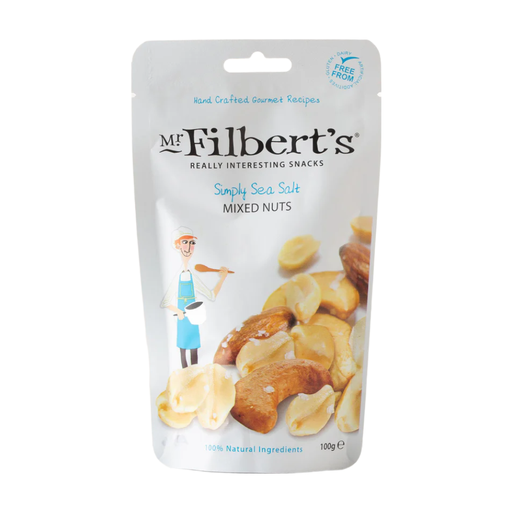
Why This Fits Their Persona: A compact everyday pack for shoppers trying mixed nuts without committing to a large quantity. It suits office drawers, university bags and occasional home snacking.
The 100g format limits opened-pack waste, while the 98% roasted mixed-nut recipe makes the main ingredients clear.
Contains peanuts, cashews and almonds; ready to eat and suitable for vegetarians according to the supplied product information.
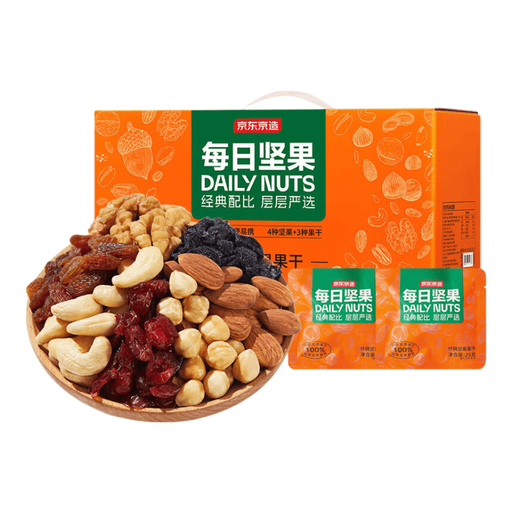
Why This Fits Their Persona: Designed for shoppers who value individual portions, varied textures and a prepared snack for work, travel or breakfast routines.
Thirty sealed 25g sachets reduce repeated exposure to air and make the serving format clear.
Combines walnuts, raisins, cranberries, almonds, cashews and hazelnuts in ready-to-eat sachets.
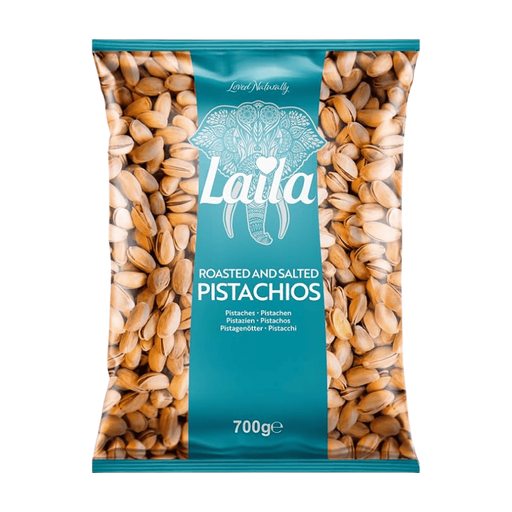
Why This Fits Their Persona: A larger option for families, entertaining and regular snackers who want a single nut type rather than a mixed recipe.
The 700g quantity is clearly stated, so it can be compared with smaller packs by price per 100g.
Roasted pistachios with edible salt; suitable for sharing, lunchboxes or adding to salads and desserts.
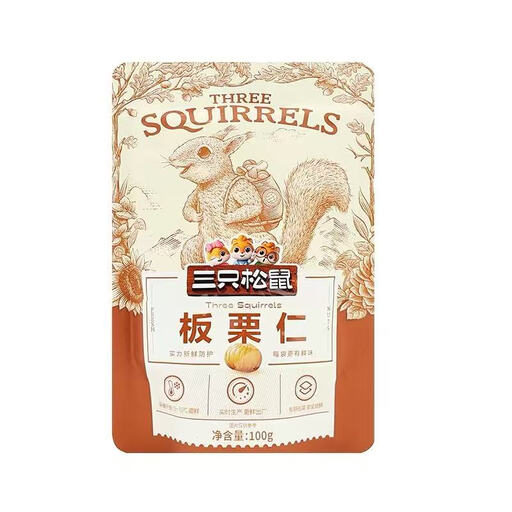
Why This Fits Their Persona: Useful for commuters, students and families wanting a soft, ready-to-eat alternative to crunchy roasted nuts.
The product is labelled ready to eat, so there is no shelling, roasting or cooking step to add to a busy routine.
The supplied ingredient list states 100% chestnut kernels, with a compact 100g pack for travel or lunchboxes.
We have compiled a complete, real-time list of products that fully satisfy these strict selection criteria and UK safety regulations.
They can be convenient for many lunchboxes, but always check school or nursery policies first. Some UK schools operate nut-free policies because of allergy risks. Choose sealed, ready-to-eat packs where permitted and review the allergen declaration.
Keep them in a cool, dry place away from direct sunlight and moisture. Reseal the original bag or transfer the contents to an airtight container. Follow the pack’s instructions, and discard products that smell rancid, appear damp or show other signs of spoilage.
It depends on how you use them. A large bag can offer a lower price per 100g for families and regular snackers, while individual sachets may reduce waste and improve portability. Compare the total weight, number of servings, ingredient list and storage convenience before choosing.