
24/7 Customer Support

Free returns

Same-day & Next-day Delivery

Quality Guaranteed

Unlock Your Welcome Offers: FREE Delivery | Up to 80% OFF | Free 30-day JoyPlus trial
Download the APP
Nuts and seeds snacks can suit many occasions, from a quick office break to a family gathering, lunchbox or long journey. However, attractive packaging does not always tell you whether a product matches your taste, dietary needs or intended use.
The main buying traps are often simple:
For a simple everyday snack, compare the position and proportion of the main ingredient. Products such as plain peanuts, walnuts or chestnuts may have a short ingredient list, while flavoured nuts can include sugar, salt, oils, spices, sweeteners and flavourings.
Examples from the available range include:
If you have a food allergy or are serving guests, read the allergen statement every time. Check whether the product contains or may contain peanuts, tree nuts, milk, soya or cereals containing gluten. Do not rely on a product photograph or an older description.
The words “roasted”, “salted” and “flavoured” describe different eating experiences. Natural or lightly roasted nuts may work better for baking, porridge and salads. Salted nuts are convenient for sharing, while flavoured nuts and seeds are more suitable when you want a stronger snack profile.
The nutrition panel can help you compare products. For example:
These figures are not a judgement on whether a product is suitable. They simply help you choose between natural, salted and sweetened options according to your preferences and overall diet.
Choose the pack size based on how quickly you expect to eat it.
Keep opened products in a cool, dry place away from direct sunlight. Reseal the bag or transfer the contents to an airtight container where appropriate. Some packs contain a desiccant or oxygen absorber; these sachets are not edible. Follow the storage and use-by or best-before guidance printed on the packaging.
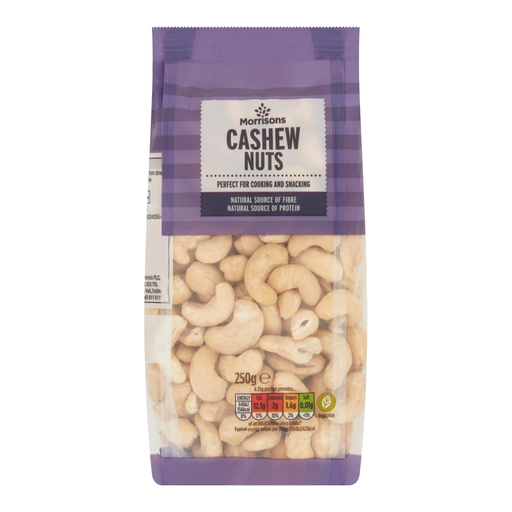
Why This Fits Their Persona: A manageable 250g pack for shoppers trying plain cashews for snacking, cooking or baking without committing to a large quantity.
The product is presented as plain cashews rather than a heavily seasoned snack, making the ingredient list and salt figure easier to assess.
250g pack; listed as suitable for vegetarians; provides stated per-100g nutrition and per-25g portion information.
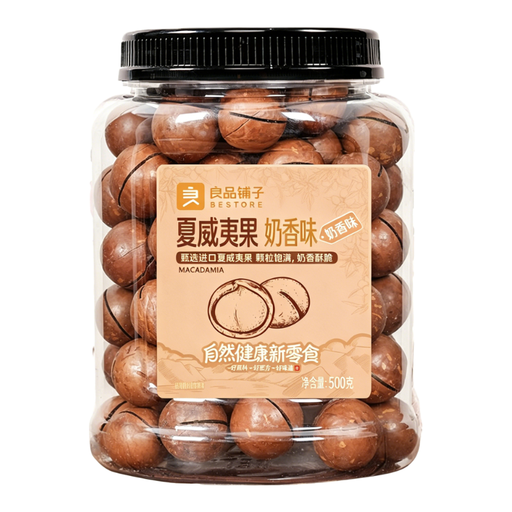
Why This Fits Their Persona: Designed for shoppers who prefer a richer, sweet-and-salty macadamia snack for sharing, entertaining or keeping at home.
The listing clearly states macadamia nuts are at least 98%, while also disclosing sugar, salt, sweeteners and flavouring.
500g net weight; ready to eat; milk flavour with a stated 67.1g fat and 4.2g sugars per 100g.
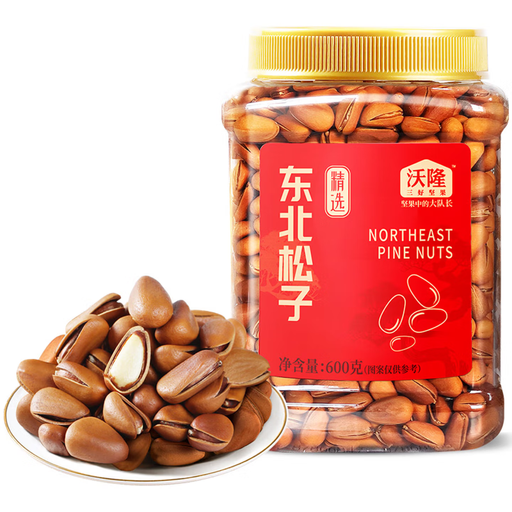
Why This Fits Their Persona: A large pack for frequent snackers, home cooks and bakers who want pine nuts for salads, toppings, desserts and direct eating.
The listing identifies pine nuts and vegetable oil, and states that the nuts are lightly roasted rather than presenting an unspecified flavour coating.
600g pack; ready to eat; suitable for adding crunch to salads, baked goods and desserts.
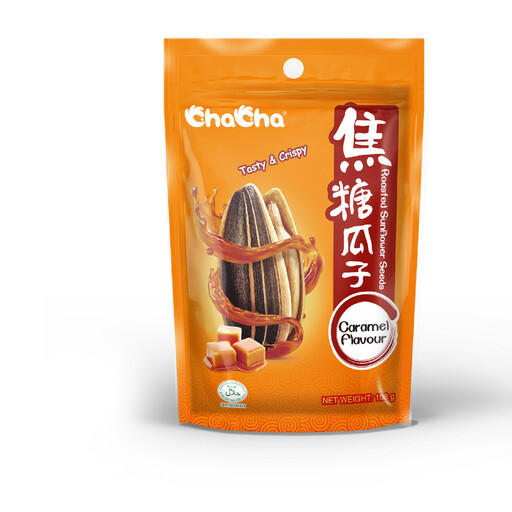
Why This Fits Their Persona: A compact ready-to-eat option for film nights, commuting, office breaks or sharing at small gatherings.
The 108g quantity and 90% sunflower seed content are stated clearly, alongside sugar, sweeteners and allergen information.
108g portable pack; caramel flavour; ready to eat directly from the sealed bag.
We have compiled a complete, real-time list of products that fully satisfy these strict selection criteria and UK safety regulations.
Different varieties suit different occasions:
They can be convenient, but check your school, nursery or workplace policy first. Many UK settings restrict peanuts and tree nuts because of allergy risks. Choose sealed single packs where permitted and never share products when allergen controls are unclear.
Keep them in a cool, dry place away from sunlight and moisture. Reseal the original packaging or use an airtight container. Smaller packs may help maintain texture when you do not eat nuts regularly.
Not necessarily; it depends on your preferences and dietary requirements. Compare the ingredient list, salt, sugar and portion information. Plain nuts may be more versatile for cooking and baking, while flavoured nuts and seeds provide a ready-to-eat snack with a more pronounced taste.