
24/7 Customer Support

Free returns

Same-day & Next-day Delivery

Quality Guaranteed

Unlock Your Welcome Offers: FREE Delivery | Up to 80% OFF | Free 30-day JoyPlus trial
Download the APP
Navigating the world of nuts and seeds can be more complex than it first appears. From the weekly shop to finding the perfect party snacks, the shelves are filled with options. But not all are created equal. As a Joybuy Product Recommendation Officer, my role is to help you see past the clever marketing and make choices that offer genuine quality and value. Many shoppers fall into common traps, ending up with products that are less healthy or poorer value than they seem.
Before you add that next bag of almonds or flavoured peanuts to your basket, let's look at a couple of pitfalls that are easy to overlook:
By understanding what to look for, you can ensure your money is well spent on delicious, high-quality nuts and seeds every time.
To avoid disappointment, focus on a few core parameters. These objective details, found on the product label, tell you everything you need to know about what you're really buying.
The way a nut or seed is prepared fundamentally changes its taste, texture and use. There is no single "correct" method; it depends entirely on your needs.
The ingredient list is your most reliable source of information. For a truly healthy snack in the UK, a shorter list is often better.
To help illustrate how these principles apply in practice, here are a few recommendations from our catalogue, matched to different shopper profiles.
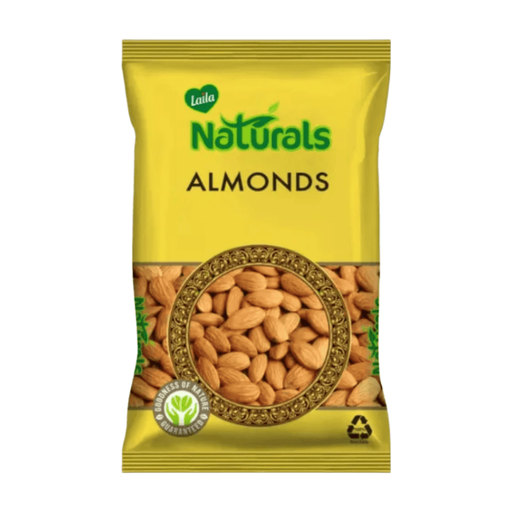
Why This Fits Their Persona: This user wants pure, versatile ingredients for cooking, baking or making their own healthy snack mixes. They prioritise natural, single-ingredient products without any additives.
It completely sidesteps the "Healthy Snack Illusion" by having just one ingredient: 100% almonds. There are no hidden sugars, salts or oils to worry about.
Completely natural and unroasted, offering total flexibility for recipes. The 500g resealable pack provides good value and maintains freshness.
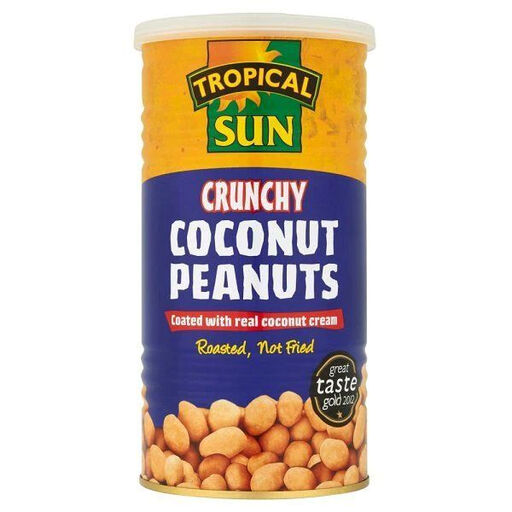
Why This Fits Their Persona: This snacker is bored of plain salted nuts and actively seeks out unique, gourmet and international flavours. They want a memorable snack for sharing or enjoying with a drink.
While heavily flavoured, it avoids the pitfalls of low-quality ingredients by using real coconut cream and being roasted, not fried. It's free from artificial colours and preservatives.
Offers a unique sweet and savoury "tropical twist" that stands out from standard flavoured peanuts. The crunchy coating provides a highly satisfying texture.
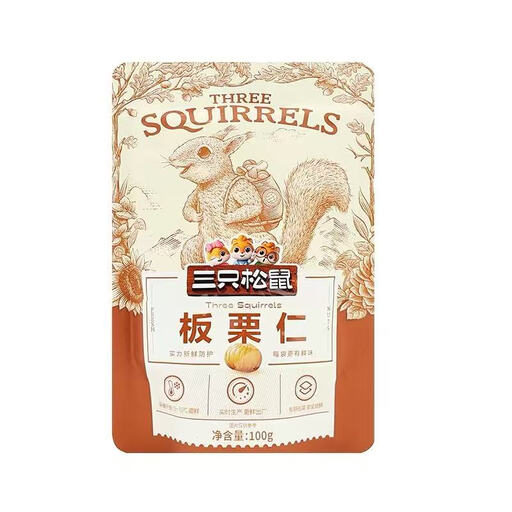
Why This Fits Their Persona: This person needs a simple, mess-free and ready to eat snack for lunchboxes, office drawers or travel. Convenience is their number one priority.
It avoids the "Value Mismatch" trap by offering high value in convenience. The price reflects the preparation (roasting, peeling) that has been done for you, saving time and effort.
Ultimate convenience. These ready to eat chestnuts are cooked, peeled and vacuum-packed. They are naturally sweet with no added sugar or salt.
We have compiled a complete, real-time list of products that fully satisfy these strict selection criteria and UK safety regulations.
1. What is the difference between 'roasted' and 'dry-roasted' nuts? This refers to whether oil was used in the roasting process. Dry-roasted means the nuts were cooked with dry heat only, which enhances their flavour without adding extra fats. Roasted can sometimes mean that oil was used to aid the cooking process, which may add to the overall fat and calorie content. Always check the ingredient list if you are unsure.
2. How should I store nuts and seeds to keep them fresh? To preserve their flavour and prevent them from going rancid, store all nuts and seeds in an airtight container in a cool, dark and dry place like a pantry. For raw, unsalted nuts (like almonds or walnuts), you can extend their shelf life significantly by storing them in the refrigerator or even the freezer.
3. Are flavoured sunflower seeds a healthy snack? They can be, but it depends entirely on the product. The sunflower seeds themselves are nutritious. The key is to check the seasoning. Look for options with a simple list of spices and a moderate amount of salt. Be mindful of varieties with long lists of artificial sweeteners, flavour enhancers and high sugar content, as these can detract from the health benefits.