People training in 60–90 minutes
If you need a snack shortly before exercise, do not assume a nuts-only bag provides the carbohydrate and minimal fat called for in University College London Hospitals NHS Foundation Trust’s guidance for this window.


A single-serve nut bag can be a convenient snack well before training, particularly if you have already eaten a carbohydrate-containing meal. For a workout starting in 60–90 minutes, a nuts-only bag is a poorer fit as the main snack: University College London Hospitals NHS Foundation Trust advises carbohydrate, protein and minimal fat in that window. Check the whole pack’s carbohydrate, fat, portion size, ingredients and allergens rather than choosing by its protein content alone.
If you need a snack shortly before exercise, do not assume a nuts-only bag provides the carbohydrate and minimal fat called for in University College London Hospitals NHS Foundation Trust’s guidance for this window.
A sealed, portion-defined nut pack may be convenient if you can eat it well before exercise or have already had carbohydrate at a meal. Compare nutrition for the entire bag, not just a front-of-pack protein figure.
Peanuts and tree nuts need separate attention. Read the current ingredients and allergen statements on mixed, flavoured and multipack snacks before choosing a pack.
Start with the time until exercise, then compare nutrition for the whole bag; a compact peanut pack and a larger mixed-nut pack serve different portion needs.
| Priority | What to check | Your needs |
|---|---|---|
| Timing and fuel | Check carbohydrate and fat per pack, and how soon training starts. University College London Hospitals NHS Foundation Trust advises carbohydrate, protein and minimal fat for snacks 60–90 minutes before exercise; the British Dietetic Association describes carbohydrate as the main fuel source for exercising muscles. | If I am training soon, I want a carbohydrate-containing snack rather than relying on a nuts-only bag. If I am eating earlier, a nut portion may fit alongside a carbohydrate-containing meal. |
| Whole-pack portion | Compare pack weight and energy on the same per-pack basis. Tesco Groceries lists 335 kcal for its 55 g roasted mixed-nut pack and 185 kcal for a 30 g KP salted-peanut pack. | I want to know what I would get from eating the entire bag, not assume every grab bag is the same size. |
| Ingredients and salt | Read the ingredient list and salt per pack, especially for seasoned products. Tesco Groceries lists peanuts, sunflower oil and salt in its KP salted-peanut packs, with 0.36 g salt per 30 g pack. | For a simpler snack, I would compare the actual ingredients rather than rely on words such as “roasted” on the front. |
| Allergens | Check the current ingredients, declared allergens and any “may contain” statement. GOV.UK lists peanuts and tree nuts separately among allergens for which food businesses must provide information. | If an allergen matters to me, I need the declaration on this particular pack; a mixed-nut name alone does not tell me about possible peanut contact. |
Tesco Groceries lists 1.7 g carbohydrate and 15 g fat in a 30 g KP salted-peanut pack. That profile differs from University College London Hospitals NHS Foundation Trust’s advice to include carbohydrate and minimal fat in a snack 60–90 minutes before exercise.
For that window, consider a carbohydrate-containing snack instead. If you also want nuts, treat a small portion as an addition rather than the main source of carbohydrate.
Tesco Groceries lists 335 kcal in its 55 g roasted mixed-nut pack, compared with 185 kcal in a 30 g KP salted-peanut pack. Comparing the bags without their weights obscures what a whole portion contains.
Read the pack weight and per-pack energy, fat and carbohydrate before deciding which portion fits your plans.
A tree-nut mix can carry a precautionary peanut statement: Tesco Groceries says its roasted mixed-nut snack pack may contain peanuts, sesame seeds and soya.
Check the current pack’s ingredients, highlighted allergens and precautionary wording. Do not choose it if that declaration is unsuitable for you.
Seasoned nuts and nut-based snack mixes can contain ingredients beyond the named nuts. Tesco Groceries lists oil and salt in KP salted peanuts, while Joybuy lists wheat flour and soya sauce among the ingredients of its Zenzen Oriental Mixed Nuts Snack.
Use the full ingredient list to distinguish plain nuts from seasoned nuts or a mixed snack.
These examples illustrate pack and ingredient differences; a brand name alone does not establish the nutrition or allergens of another product in its range.
Tesco Groceries lists a 55 g roasted snack pack containing almonds, hazelnuts and cashews.
KP salted peanuts are listed in 30 g packs, including a five-pack on Tesco Groceries.
The Planters brand describes a single-serve variety pack of salted cashews, salted peanuts and honey-roasted peanuts on its own product page. That page is not a UK product listing.
These options include portioned peanuts and a nut-and-fruit mix for earlier snacking, alongside chestnut snacks and a fruit-and-nut bar to consider when looking beyond a bag of loose nuts. Check each product’s current label for the nutrition and allergens that matter to your timing.
 No image available
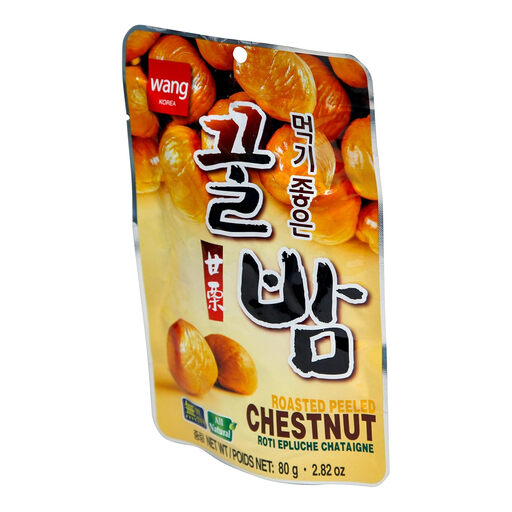
An 80g chestnut bag is an alternative to a bag of loose peanuts or mixed nuts. Check its per-pack carbohydrate, fat and protein if choosing a snack for the time before exercise; the title identifies added sugar.
 No image available
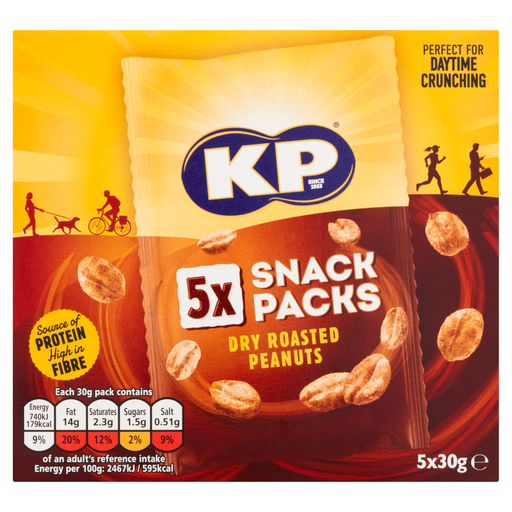
The five individually sized peanut packs suit someone planning a nut snack well before training. This is a dry-roasted product: do not apply nutrition figures for KP salted peanuts to it. Check its own carbohydrate, fat, seasonings and allergen label.
 No image available
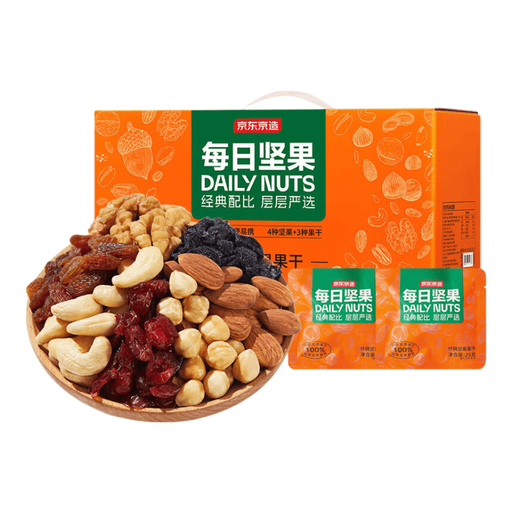
Thirty sachets divide the nut-and-dried-fruit mix into 25g portions. If you are comparing it with nuts-only bags before exercise, check the nutrition for one sachet and the mix’s full allergen statement.
 No image available
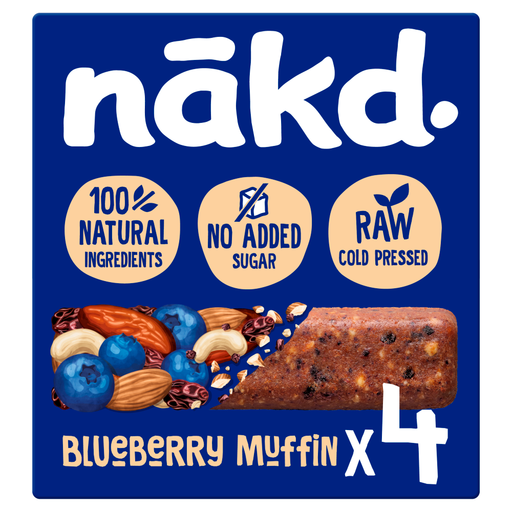
This is a multipack of 35g fruit-and-nut bars, not grab bags of loose nuts. For a snack close to training, compare one bar’s carbohydrate, fat and protein with the timing guidance, and check its allergens.
 No image available
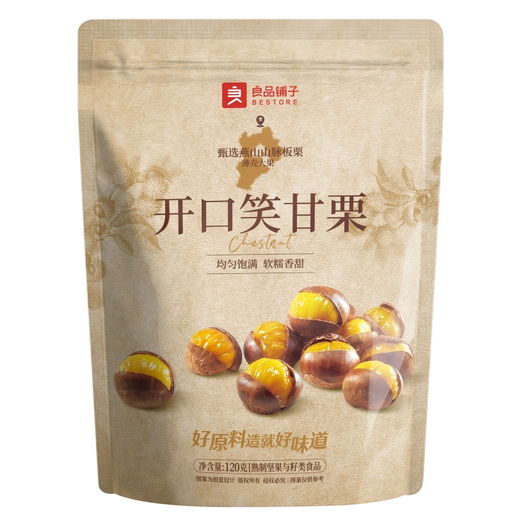
This chestnut snack comes in a 120g bag rather than individual small sachets. Check the nutrition for the amount you intend to eat and whether the packaging suits keeping the remainder.
A nut bag may fit better earlier before training or alongside a carbohydrate-containing meal than as the sole snack 60–90 minutes beforehand. University College London Hospitals NHS Foundation Trust advises carbohydrate, protein and minimal fat for snacks in that later window, so check the particular bag’s whole-pack figures.
If exercise starts in 60–90 minutes, University College London Hospitals NHS Foundation Trust’s guidance points towards a carbohydrate-containing snack with minimal fat. For an earlier snack or light meal, the British Dietetic Association advises a low-fat, high-carbohydrate option two to three hours before exercise. A nut bag can be considered separately, particularly when carbohydrate has already come from a meal.
It provides little carbohydrate relative to its fat content: Tesco Groceries lists 1.7 g carbohydrate, 15 g fat and 9 g protein per 30 g KP salted-peanut pack. Those figures describe that salted product, not every KP peanut pack; check the label of the one you choose.
Yes. Tesco Groceries says its roasted pack of almonds, hazelnuts and cashews may contain peanuts, sesame seeds and soya. Check the current ingredients and precautionary statements rather than using “mixed nuts” as an allergy guide; GOV.UK lists peanuts and tree nuts separately among allergens for which food businesses must provide information.
Use a listing to compare options, then confirm pack size, nutrition, ingredients and allergens on the item you buy. Tesco Groceries warns that food formulations and nutrition information can change, which matters especially when choosing for a specific exercise time or avoiding an allergen.