Hosts planning a calorie-conscious buffet
If you want a crunchy savoury option, decide how much to put out at once. A large shared bowl makes portions harder to judge than small dishes or a measured serving spoon.


Nuts are not low-calorie by default: the British Heart Foundation puts a 30g handful at about 180–225kcal, depending on the nuts. For a Boxing Day buffet, choose plain or unsalted varieties if you want to avoid added salt or coatings, then serve measured portions rather than leaving out an unrestricted bowl. Unsalted peanuts and natural mixes still need the same attention to portion size.
If you want a crunchy savoury option, decide how much to put out at once. A large shared bowl makes portions harder to judge than small dishes or a measured serving spoon.
Plain, unsalted and seasoned nuts can differ in salt and ingredients. Compare the nutrition panel and ingredient list rather than relying on the word “nuts” on the front of the pack.
Keep packaging available so guests can identify ingredients and allergens. If children under five may reach the buffet, do not leave whole nuts where they can help themselves; the NHS advises against giving them whole nuts or peanuts.
Choose a serving method first, then compare energy, salt and ingredients on the same labelled basis.
| Priority | What to check | Your needs |
|---|---|---|
| Portion size | Compare kcal per 100g and per planned serving. Measure portions into small dishes or provide a serving spoon; 15g is half a 30g handful. | I want guests to be able to take a modest portion without guessing how much is in a large bowl. The British Heart Foundation puts a 30g handful of nuts at about 180–225kcal, depending on type. |
| Salt and coatings | Read salt per 100g and check the ingredients for seasonings and sweet coatings. For example, ASDA lists KP Unsalted Peanuts at 0.03g salt per 100g, while KP lists its Original Salted Peanuts at 1.3g. | I would like a savoury option without choosing extra salt or a sweet coating by accident. Unsalted does not mean low-calorie, so I would still measure the serving. |
| Buffet safety | Keep each pack’s ingredient information available and use separate, clearly identified bowls and utensils. Consider whether children under five can reach whole nuts. | Guests need to know which bowls contain peanuts or tree nuts. Where young children may help themselves, I need an alternative to accessible whole nuts; the NHS says not to give whole nuts or peanuts to children under five. |
Removing salt does not remove the need to watch portions. ASDA lists KP Unsalted Peanuts at 186kcal per 30g.
Compare kcal per 100g and per serving, then put out a measured quantity rather than the whole bag.
A seasoned mix is not the same product as plain nuts. Marks & Spencer lists maple syrup among the ingredients of its Ultimate Cocktail Nut Mix and gives its salt content as 0.78g per 100g.
Check the ingredient list and nutrition panel if you are choosing between plain nuts and a flavoured mix.
Guests cannot tell from a shared bowl which peanuts, tree nuts or other ingredients came from each pack.
Keep the packs available, identify each bowl and use separate utensils so guests can check ingredients before taking any.
The NHS advises not giving whole nuts or peanuts to children under five because of choking risk.
Keep whole nuts out of their reach and offer a suitable alternative rather than letting them help themselves from the nut bowl.
KP offers both unsalted and salted peanuts, making the distinction between salt content and energy useful when choosing a buffet snack.
M&S lists a natural nut medley and a seasoned cocktail mix, which serve different preferences at a buffet.
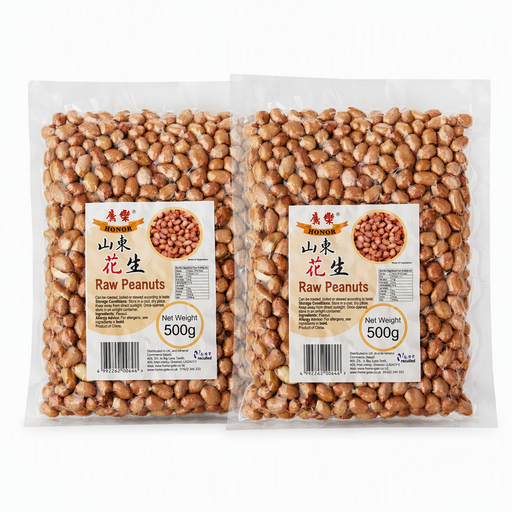
These options include peanuts, chopped mixed nuts and chestnuts for different Boxing Day buffet plans. The raw peanuts are an ingredient to prepare, not a snack to put out straight from the pack.
 No image available
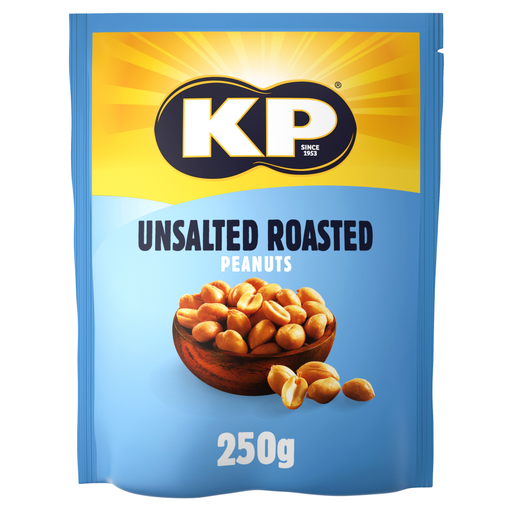
An unsalted roasted-peanut option for measured buffet servings. Check the pack’s energy and allergen information before serving; unsalted peanuts are not automatically low-calorie.
 No image available
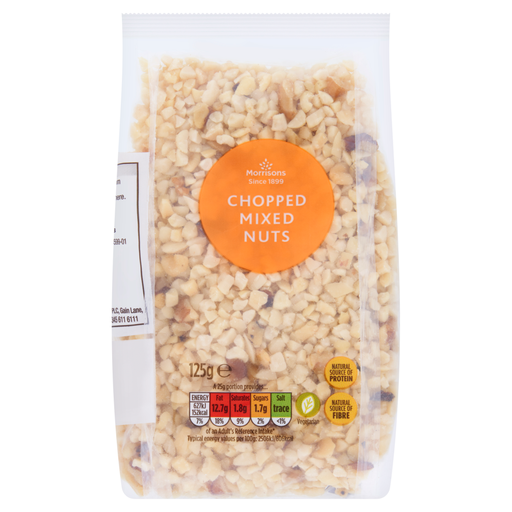
Chopped mixed nuts offer a different serving format from whole nuts. Check the pack for its ingredients, allergens and energy per serving; do not assume the chopped format alone makes it suitable for every guest.
 No image available
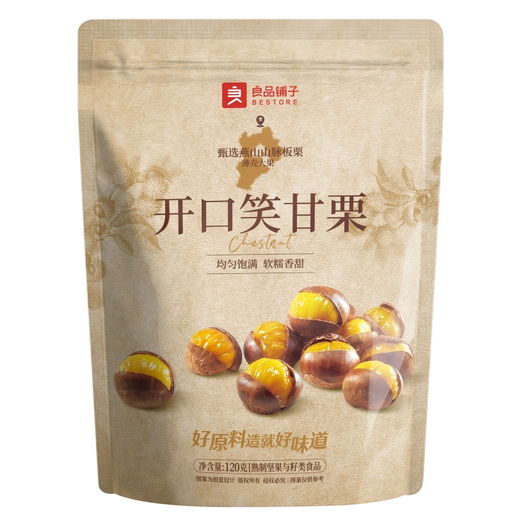
Chestnuts provide an alternative to a bowl of peanuts or mixed nuts. Compare the pack’s energy per 100g and your planned serving size rather than assuming the same nutrition values apply to all nuts.
 No image available
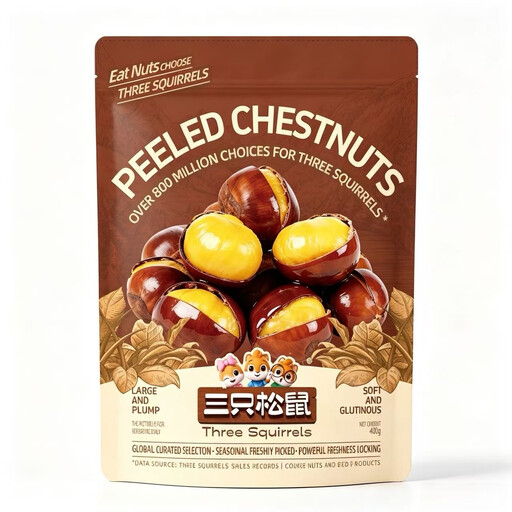
A chestnut-kernel option for guests who want something other than a peanut or mixed-nut bowl. Check the ingredients and nutrition panel to understand what “sweet” means for this particular product, then decide how much to serve.
 No image available
These raw peanuts suit a host planning to prepare a dish with peanuts, not someone seeking a ready-to-serve buffet bowl. Follow the pack’s preparation instructions before serving.
Nuts are not low-calorie by default: the British Heart Foundation says a 30g handful contains about 180–225kcal, depending on the type. If you serve them, measure the portions rather than treating a large sharing bowl as unrestricted.
A measured 15g portion is a practical starting point if you want to serve half of the 30g handful described by the British Heart Foundation. Check the chosen pack’s nutrition panel to calculate its energy per serving; the value will differ between products.
Start with plain or unsalted nuts if avoiding added salt or a coating matters to your buffet plan. Compare labels rather than assuming a flavoured product has a particular calorie value: ingredients and nutrition differ by product.
No. The NHS advises not giving whole nuts or peanuts to children under five because of choking risk. Keep the whole-nut bowl out of their reach and provide a suitable alternative.