People planning carbohydrate intake
Compare the carbohydrate in the serving you intend to eat. Nut products are not necessarily carbohydrate-free, and dried fruit can add more carbohydrate to a snack.


Choose by both calories and carbohydrate per measured serving rather than assuming plain nuts are low in calories or carbohydrate-free. Among four UK retailer products compared on the same per-100g basis, ASDA Peanuts have the lowest stated energy value at 580kcal per 100g, according to ASDA Groceries; that limited comparison does not settle which portion, ingredients or allergen profile suits you.
A diabetes-conscious nut choice depends on the portion and the exact product, not a claim on the front of the pack.
Compare the carbohydrate in the serving you intend to eat. Nut products are not necessarily carbohydrate-free, and dried fruit can add more carbohydrate to a snack.
A stated serving or separately packed portion makes it easier to see how many calories the snack adds. Diabetes UK advises paying attention to portion size because eating too much can increase energy intake over time.
Ingredients, carbohydrate and salt can differ between plain nuts and products containing dried fruit, coatings or flavourings. Check the exact recipe rather than relying on the category name.
Start with calories and carbohydrate on a common per-100g basis, then check the amount you would actually serve. Ingredients, salt and allergens can change the decision even when two products have similar serving sizes.
| Priority | What to check | Your needs |
|---|---|---|
| Calories and portion | Compare kcal per 100g between products, then check kcal for the stated serving and its weight. Measure a portion from a larger pack if needed. | I want to know how much the snack contributes, rather than treating an unsalted pack as low-calorie. |
| Carbohydrate | Read carbohydrate per 100g and per serving where shown. Compare products using the same weight before drawing conclusions from serving figures. | A lower calorie figure alone will not answer my question if carbohydrate is also important to my snack plan. |
| Ingredients and salt | Check the ingredients for dried fruit, sweet coatings or flavourings, then read the sugars and salt lines for the exact product. | I would rather choose a plain option when I want a simpler comparison, but I still need to read its nutrition label. |
| Allergens | Read the current pack’s ingredients and any precautionary allergen statement. A mixed-nut product may contain several named nuts. | If I am buying for someone with an allergy, the precise ingredients matter more than the product’s short name. |
| Pack format | Check whether the pack contains separate portions or requires you to measure them. Do not assume the whole pack is one stated serving. | Separate packs may suit me if I find it difficult to judge a portion from a larger bag. |
In the four retailer products compared here, stated energy ranges from 580kcal to 660kcal per 100g, according to ASDA Groceries, Sainsbury’s and Tesco Groceries. A low salt figure does not establish a low calorie figure.
Compare kcal per 100g, then check the calories in the portion you plan to eat.
Retailer labels show carbohydrate even in plain nut products. For example, ASDA Groceries lists 4.2g per approximately 33g serving of its Peanuts, while Sainsbury’s lists 3.5g per 30g serving of its Pistachio Nuts.
Use the carbohydrate figure for the exact product and portion when planning the snack.
Diabetes UK cautions that dried fruit is easy to overeat, adding more calories and carbohydrate than intended. Coatings and flavourings also make the ingredient list worth checking.
Compare the mix with a plain alternative using their ingredients, carbohydrate, sugars and salt information.
A short title cannot identify every ingredient or precautionary warning. The Food Standards Agency says allergens present in UK prepacked food are emphasised in its ingredients list.
Read the current physical pack, including its ingredients and any precautionary allergen statement, before buying for someone with an allergy.
These label examples concern specific products or pack formats; they do not describe every product from each brand.
ASDA Groceries lists its Peanuts at 580kcal per 100g and 193kcal per approximately 33g serving.
Two Sainsbury’s products illustrate why the product and serving size matter: Pistachio Nuts and Unsalted Mixed Nuts have different stated portions.
Tesco Unsalted Mixed Nuts Snacks provide a mixed-nut example with a stated 25g serving.
The M&S Nut Collection is a mixed-nut option, rather than a single-nut comparison.
KP Snacks offers 30g Snack Packs for shoppers who prefer a defined pack size.
These Joybuy options include unsalted roasted peanuts, a chopped nut mix and chestnut products. Compare their exact labels and intended portions before deciding how each fits a diabetes-conscious snack plan.
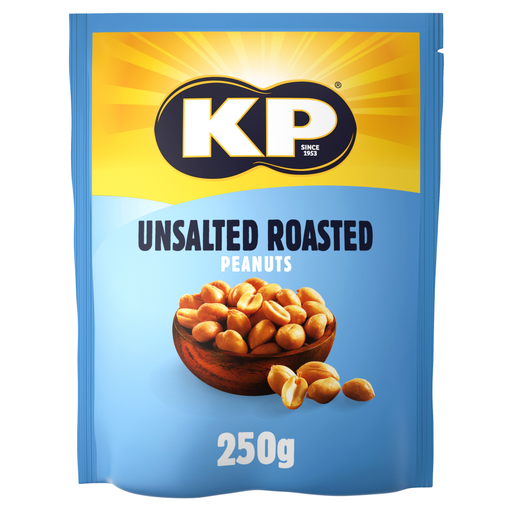 No image available
An unsalted roasted peanut option in a 250g pack. Check the label’s calories and carbohydrate for the portion you intend to serve, as well as its allergen statement.
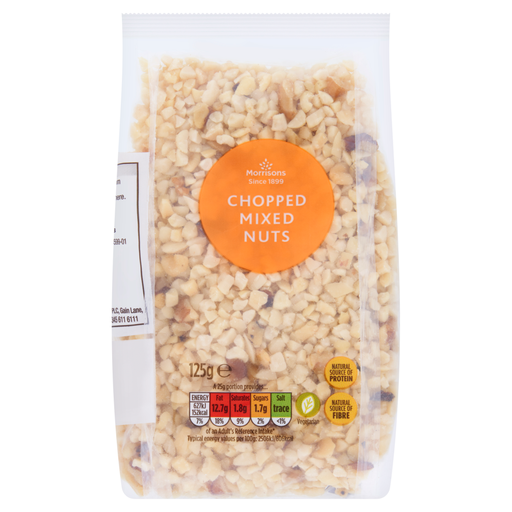 No image available
A chopped mixed-nut option in a 125g pack. Check its ingredients and allergen statement, then measure a serving and compare its calories and carbohydrate with other products on the same basis.
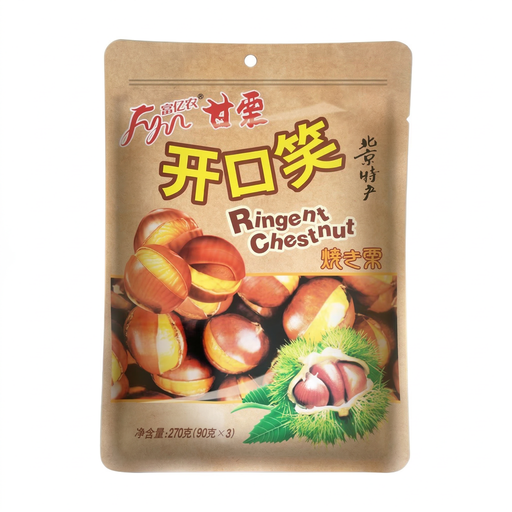 No image available
The 270g chestnut product contains three packs. Compare both calories and carbohydrate for the amount you would eat; the separate packs do not, by themselves, determine a suitable serving.
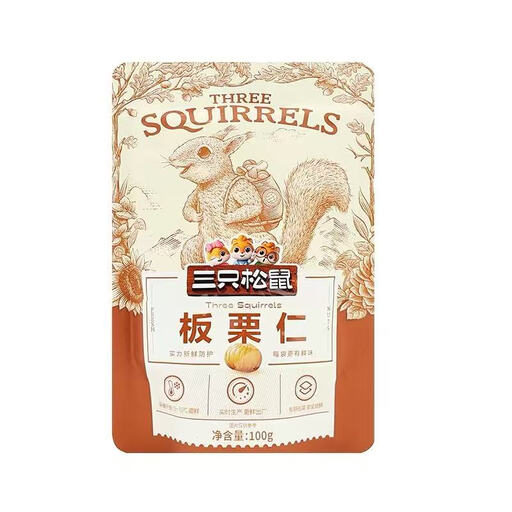 No image available
A 100g pack of chestnut kernels. If you are comparing it with peanuts or mixed nuts, check carbohydrate alongside calories and use the portion you intend to eat rather than the whole pack weight.
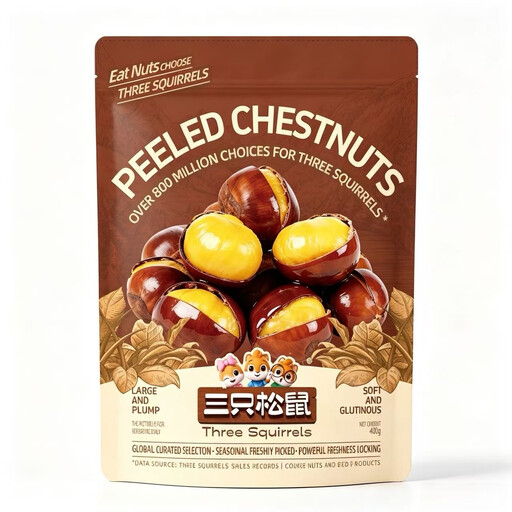 No image available
A 400g sweet chestnut kernel product. Read the exact ingredients and nutrition label, especially carbohydrate and calories per serving, before comparing it with plain nuts.
No single nut product suits every snack plan. Check its carbohydrate and calories for the portion you would eat, rather than assuming nuts are carbohydrate-free or low-calorie.
No. That wording alone does not establish its calorie or carbohydrate content. Compare the exact product’s nutrition information and stated serving size.
If salt content matters to your choice, look for an unsalted product and confirm its salt figure on the nutrition label. The plain retailer examples here list less than 0.01g to 0.02g salt per stated serving, according to ASDA Groceries, Sainsbury’s and Tesco Groceries; other recipes can differ.
Yes, when buying for someone with an allergy, check the current pack’s ingredients and any precautionary allergen statement. The Food Standards Agency says allergens present in UK prepacked food are emphasised in the ingredients list; a mixed-nut title alone will not identify every ingredient.