
24/7 Customer Support

Free returns

Same-day & Next-day Delivery

Quality Guaranteed

Unlock Your Welcome Offers: FREE Delivery | Up to 80% OFF | Free 30-day JoyPlus trial
Download the APP
Choosing nuts and dried fruit snacks can seem straightforward, but attractive packaging does not always reveal what you are actually buying. A snack may be labelled “natural” while containing added sugar or salt, while a large bag may be poor value if it goes stale before your household can finish it.
For UK shoppers, the most useful checks are the ingredient list, preparation instructions, allergen information, nutrition panel, pack format and storage guidance. These details help you select suitable mixed nuts, ready-to-eat nuts, chestnuts or dried fruit and nuts for lunchboxes, work breaks, travel, cooking and baking.
A product can contain naturally occurring sugars from fruit, while another may include added sugar, oil or seasoning. Compare the ingredients rather than relying only on front-of-pack wording. For example, plain chestnut kernels may contain only chestnuts, whereas sweetened pecans or a trail mix may include sugar and vegetable oil.
Raw peanuts are useful for roasting, boiling, making peanut butter or adding to recipes, but they require cooking. They should not be treated as ready-to-eat nuts. If you want something for an office drawer, commute or school lunchbox, look for clear wording such as “ready to eat” and check whether shells or peeling are involved.
Family-size nuts can offer more servings, but an opened bag or jar needs suitable storage. Nuts contain oils that can develop stale flavours when exposed to heat, light or moisture. Resealable packaging and sensible portioning can be more useful than simply selecting the largest available quantity.
Look for the percentage and order of ingredients. A product listing walnuts, cashews, almonds or pistachios first generally gives you a clearer idea of the main components. For mixed products, check whether dried cranberries, raisins or blueberries contain added sugar or oil.
UK food labelling should identify relevant allergens clearly. Tree nuts, peanuts and products made with them are particularly important to check. Some mixed packs also state that they may contain other allergens because of shared production lines. Anyone managing an allergy should read the product packaging and current listing carefully rather than relying on the product title alone.
The preparation method affects how and when you can use the product:
Do not assume that every product in the nuts category can be eaten straight from the pack. Follow the directions for use.
The UK nutrition panel provides a consistent way to compare products. Pay attention to energy, fat, saturates, carbohydrate, sugars, protein and salt per 100g. This is especially useful when comparing plain walnuts with salted cashews, sweetened pecans or a dried fruit mix.
Individual 25g packs can make portion control and portable snacking easier. A 500g jar or larger bag may suit a family, frequent snackers or home cooks, but it needs reliable sealing and cool, dry storage.
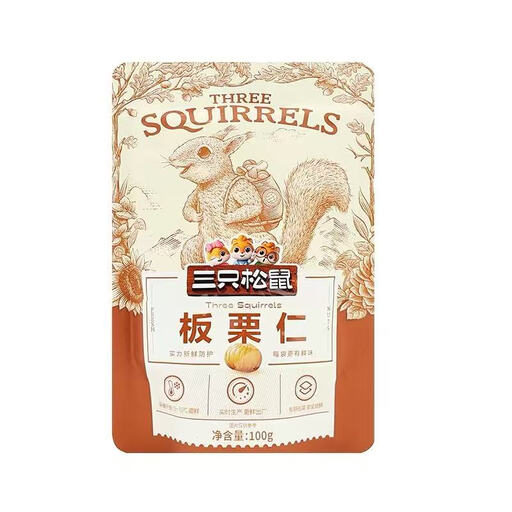
Why This Fits Their Persona: The compact 100g pack is a straightforward way to try chestnut kernels without committing to a large quantity. It suits lunchboxes, office breaks and travel.
The ingredients list chestnut kernels at 100%, with no added sugar, preservatives or artificial colours stated in the product information.
Ready to eat, soft in texture and supplied in a resealable 100g pack. The nutrition panel lists 176 kcal and 0g salt per 100g.
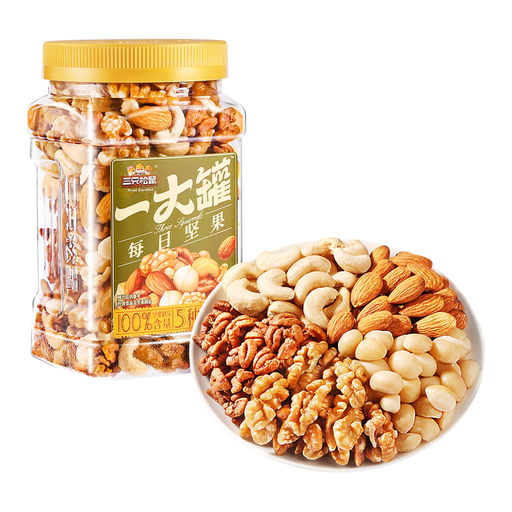
Why This Fits Their Persona: This blend suits shoppers who want several nut varieties in one resealable can for snacking, salads, yoghurt or baking.
The product is presented as a five-nut blend, with the stated percentages showing walnuts, cashews and almonds as the main ingredients.
It contains walnuts, cashews, almonds, pecans and macadamias, with 19.2g protein and 0.1g salt per 100g listed.
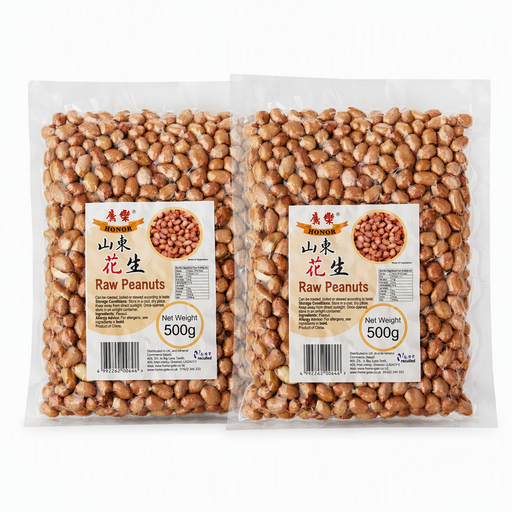
Why This Fits Their Persona: The 1kg total quantity is suited to families, home cooks, bakers and shoppers who regularly prepare roasted nuts, peanut butter or savoury dishes.
The listing clearly identifies these as raw peanuts and states that cooking is required. They are not presented as an instant snack.
The pack contains peanuts only and offers two 500g bags. Store in a cool, dry, well-ventilated place; refrigeration is recommended for longer storage.

Why This Fits Their Persona: Thirty individual 25g packs are practical for commuting, university, office desks, day trips and controlled lunchbox portions.
The ingredient percentages are provided, and the serving format is defined as 30 packs of 25g rather than one unmeasured bulk bag.
The mix includes walnuts, cashews, dried cranberries, raisins, almonds, dried blueberries, hazelnuts, macadamias and pistachios.
If you prefer a single nut, ready-to-eat walnuts, roasted pistachios or lightly salted cashews avoid the uneven distribution sometimes found in a mixed pack. A 500g jar can suit sharing or regular use, while 100g packs are easier to trial.
For sweeter flavour, a jar combining walnuts, almonds, cashews, raisins and dried cranberries can work as a simple trail mix, yoghurt topping or porridge addition. Remember that dried fruit can contribute more sugar per 100g than fresh fruit because water has been removed, so compare the nutrition panel and serving size.
Chestnuts have a different texture from walnuts, cashews and pecans. Ready-to-eat chestnut kernels are soft and mildly sweet, making them suitable for snacking, baking or adding to savoury meals. For more options, browse the squirrel nuts range.
We have compiled a complete, real-time list of products that fully satisfy these strict selection criteria and UK safety regulations.
They can be convenient for lunchboxes, but check the school or nursery’s nut policy first. Individual packs may reduce mess and make portions easier to manage. Always review allergen labelling before sharing food with others.
Keep them sealed in a cool, dry place away from direct sunlight and moisture. For longer storage, refrigeration may help preserve raw peanuts. Follow the product’s own storage instructions and check for changes in smell, taste or texture before eating.
No. The referenced raw peanut product states that cooking is required, such as boiling, roasting or frying. Do not eat raw agricultural peanuts directly from the pack; prepare them according to the instructions before consumption.