Campers planning snack portions
If a sharing bag is likely to last several days, compare its declared serving with the amount you would actually take out at a time. Smaller portions can be packed before you leave.


The labelled peanuts, pistachios and other nuts in this UK comparison are energy-dense, so measuring a portion matters more than looking for a nut described as low-calorie. For festival camping, compare kcal per 100g and the amount you plan to eat, then check ingredients, allergens and storage instructions; chestnuts, fruit-and-nut bars and seeds need their own label checks.
If a sharing bag is likely to last several days, compare its declared serving with the amount you would actually take out at a time. Smaller portions can be packed before you leave.
Check kcal per 100g, salt and the ingredients list rather than assuming that a plain-sounding or mixed product has a particular nutrition profile.
Keep the original label available so everyone can check ingredients and allergen statements. Consider choking warnings before offering whole nuts to young children.
Compare nuts using kcal per 100g first, then work out what the portion you intend to carry means for your snack.
| Priority | What to check | Your needs |
|---|---|---|
| Calories and portions | Compare kcal per 100g on matching terms. Check the declared serving size and the amount you plan to eat: Tesco Groceries lists 158 kcal for 25g of its roasted salted almonds, while its KP peanut listing gives 185 kcal for 30g. | For a day at the festival, I want to pack an amount I can count on eating, rather than judge the whole bag by its suggested serving. |
| Ingredients and salt | Read the ingredients and salt declaration on the exact pack. GOV.UK says traffic-light labelling can help compare calories, fat, sugars and salt at a glance. | A plain nut, a salted nut and a mix may suit different tastes; I want to know what is in the one I am carrying. |
| Storage after opening | Check the pack’s storage directions and any instruction about closing or finishing it after opening. M&S specifies cool, dry storage and eating its Natural Nut Medley within one week of opening. | If I will keep snacks at the campsite for several days, I need a way to keep the opened pack dry and follow its instructions. |
| Allergens and sharing | Read the current ingredients, allergen statements and any choking warning on the physical pack. The Food Standards Agency distinguishes peanuts, which are legumes, from tree nuts. | Before sharing food, I need to know which ingredients and warnings apply to that particular product. |
The nutrition panel gives a clearer comparison than wording on the front of the pack. Tesco Groceries lists 631 kcal per 100g for its roasted salted almonds and 697 kcal per 100g for its pine nuts.
Compare kcal per 100g, then check what your chosen portion adds up to on the product label.
Tesco Groceries lists 158 kcal for a 25g serving of its roasted salted almonds and 185 kcal for a 30g serving of KP Original Salted Peanuts. Those serving figures do not compare equal amounts.
Use the per-100g figures for the product comparison, then measure the portion you intend to pack.
Eating several portions from one bag changes the total calories consumed, even if the label highlights a smaller serving.
Divide the amount you intend to eat into separate containers or bags before the trip, or use the pack to measure each portion.
Without the pack information, other campers cannot check its ingredients, allergen statements or any warning about choking or shell fragments.
Keep the labelled pack available and let each person check whether the product is appropriate for them before it is shared.
These examples show why it is worth comparing individual labels; a brand name alone does not establish a product’s calorie or salt content.
KP Original Salted Peanuts come in several pack formats, including a 5 × 30g multipack listed by KP Nuts.
Its roasted salted pistachios are an in-shell option with nutrition declared for the edible portion.
Tesco nutrition declarations make it possible to compare several nut types on a per-100g basis.
Natural Nut Medley is a mixed-nut option for campers who do not want a single nut type.
These options include chestnuts, a fruit-and-nut bar and pumpkin seeds for planning portable festival snacks. They are different products from the peanuts, pistachios and other nuts compared above, so check each pack’s own nutrition and allergen information rather than applying those figures to them.
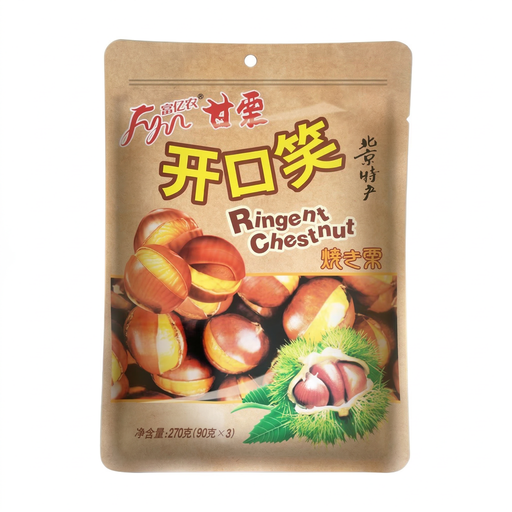 No image available
Three packs give you separate amounts to carry during the trip. Check the nutrition label for the calories in the amount you plan to eat and follow the pack’s storage directions.
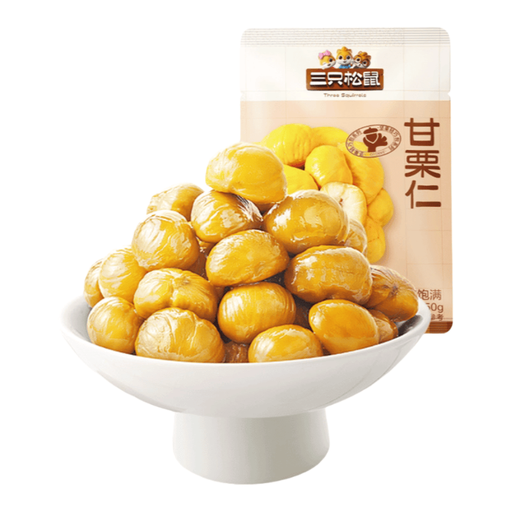 No image available
The 50g pack has a defined size for planning what to carry. Read its calorie declaration before treating the pack as one snack portion.
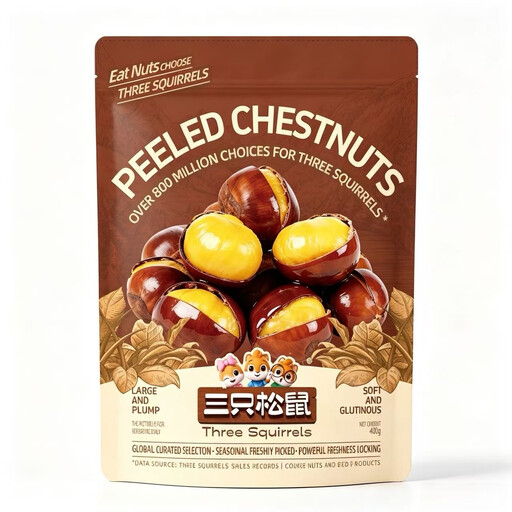 No image available
For a 400g pack, decide how much to take out at a time rather than using the full pack as a snack measure. Check its own per-100g nutrition and any directions for storing it after opening.
 No image available
This fruit-and-nut bar format provides four stated 35g bars to plan around. Compare the calories for a bar with your intended snack amount, and check its ingredient and allergen label before sharing.
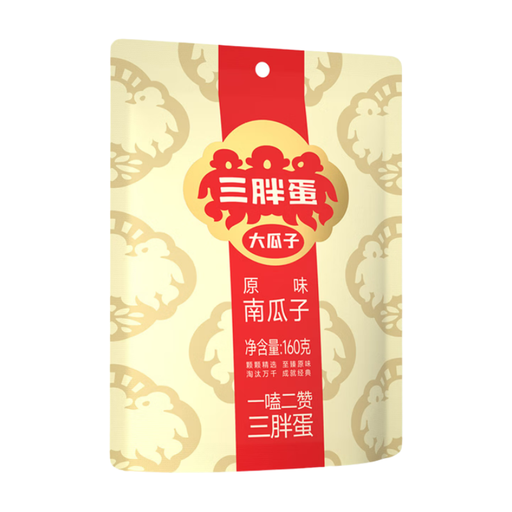 No image available
Pumpkin seeds are seeds rather than nuts, and the stated eight 20g packs provide a pack size to use when planning snacks. Check their own calorie and allergen declarations instead of assuming the nut comparisons apply.
The nuts in this UK product comparison are energy-dense: Tesco Groceries lists KP Original Salted Peanuts at 615 kcal per 100g, while Sainsbury's lists its roasted salted pistachios at 617 kcal per 100g. If you want to keep track of calories, compare labels and decide how much you will eat, rather than relying on a description of the nut type.
Yes, depending on the product and measured amount. Kent Community Health NHS Foundation Trust gives examples of 12 almonds at 80 kcal and 24 pistachios, or 15g, at 90 kcal; it advises checking the label for exact amounts.
Follow the directions on the particular pack and keep it away from damp conditions. For example, M&S instructs customers to store its Natural Nut Medley in a cool, dry place away from sunlight and eat it within one week of opening.
Yes. The Food Standards Agency distinguishes peanuts, which are legumes, from tree nuts. Check the ingredients and any precautionary allergen statement on the exact pack, particularly before sharing a mixed product.
Check the physical pack for choking warnings and do not assume whole nuts are appropriate for a young child. Keep the label available so a parent or carer can also check the ingredients and allergen statements.