Who is this choice for?
The useful format depends on whether your main concern is a measured portion, a more varied breakfast or a safety check.
Commuters watching portion size
A small portion prepared before leaving gives you a clear amount to eat on the journey. Pack size matters: Kent Community Health NHS Foundation Trust lists several small nut portions below 100 kcal, but Tesco lists a 30 g KP salted peanut pack at 184 kcal.
Shoppers putting breakfast together quickly
Nuts are easy to carry, but a small nut portion need not be the entire breakfast. If you want another component, consider what else you can take with you, such as fruit or a higher-fibre starchy food, and check its portion too.
Households checking allergens and choking warnings
The Food Standards Agency distinguishes tree nuts from peanuts, so read the ingredients and any precautionary allergen wording on the particular pack. Check age-related warnings as well: Marks & Spencer labels its Natural Nut Medley unsuitable for children under 36 months because of a choking hazard.
What should you check before buying?
Start with the amount you plan to eat, then compare formats using the nutrition and safety information for that amount. A sealed portion is convenient, but its calorie figure still needs checking.
| Priority |
What to check |
Your needs |
| Portion and calories |
Check kcal per serving or pack, not just per 100 g. For loose nuts, measure the amount you will take. Kent Community Health NHS Foundation Trust lists 12 almonds at 80 kcal and 15 g of pistachios at 90 kcal; Tesco lists a 30 g KP salted peanut pack at 184 kcal. |
I want to know how much I am taking for breakfast rather than relying on the size of a handful or the appearance of a small pack. |
| Format |
Check whether you will eat one sealed pack, portion a larger bag in advance or take a bar. For bars, compare the individual bar weight and nutrition with the portion of nuts you would otherwise eat. |
A fixed pack is simpler for my journey, or I have time to put a measured serving from a larger bag into a container. |
| Ingredients, sugars and salt |
Read the ingredients and the sugars and salt figures as well as calories. Marks & Spencer lists 0.03 g salt per 100 g for Natural Nut Medley; its fruit-and-nut medley lists 28.4 g sugars per 100 g and contains raisins. |
I am choosing between plain nuts and a mix with other ingredients, so the name on the front of the pack is not enough to compare them. |
| Breakfast components |
Decide whether the nuts are a small component or all you are taking. If adding fruit or a starchy food, consider the amount of each as part of the breakfast. |
Will this portion be enough food for the occasion, or am I packing it alongside something else? |
| Allergens and age warnings |
Read the current ingredients, allergen declaration, any “may contain” wording and choking warning. The Food Standards Agency identifies peanuts and tree nuts separately and explains that precautionary wording can flag unintended allergen presence. |
Someone in my household needs the exact product checked for allergens, or I am choosing food for a young child. |
Brand references
These examples show why a brand or format name is less useful than the nutrition and safety information for the particular product. A brand reference does not indicate that its products appear in the Joybuy selection below.
KP
KP describes its snack packs as convenient for eating on the move. The pack still has its own serving size and nutrition figures.
- Tesco lists KP Original Salted Peanuts 30 g at 184 kcal for the pack.
- Tesco also lists 0.39 g salt for that 30 g pack. Check its allergen information if relevant to your household.
M&S
Marks & Spencer lists natural nut mixes, fruit-and-nut mixes and nut-and-seed bars with nutrition information that allows their different formats to be compared.
- Natural Nut Medley is listed at 0.03 g salt per 100 g.
- The same medley is listed at 640 kcal per 100 g, so measure the amount you intend to eat. Its product page also carries a warning for children under 36 months.
Planters
Planters publishes product information for its peanuts in a US labelling context. Use the nutrition and allergen information on the actual UK pack when comparing a UK purchase.
- Serving and labelling conventions on the US product page should not be transferred to a different pack.
Chestnut and nut options on Joybuy
These options include chestnut packs in different sizes and one nut-and-fruit product. For a breakfast you can take with you, compare the portion you intend to eat and check the current pack's nutrition, ingredients and allergen information; the formats are not interchangeable with the measured almond or pistachio examples above.
 No image available
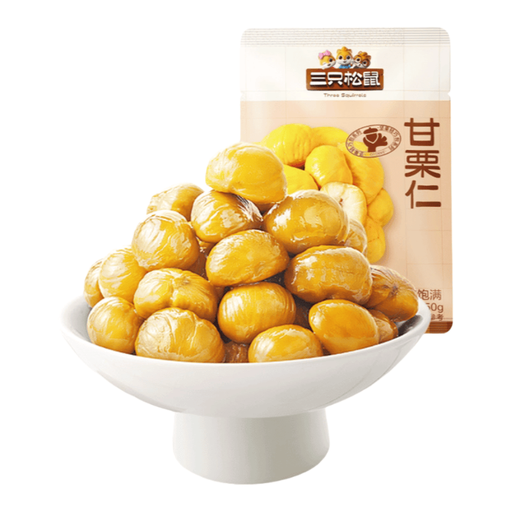
Three Squirrels Light Pack Sweet Chestnut Kernels 50 g
The 50 g pack gives you a defined amount to take on a journey. Check its stated calories for the pack before treating it as a substitute for a small measured portion of other nuts.
View on Joybuy
 No image available
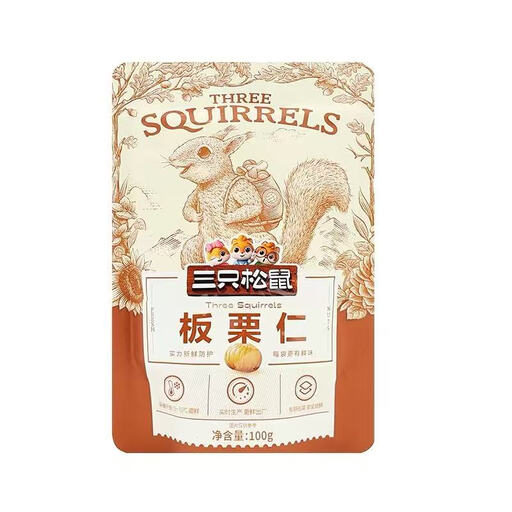
Three Squirrels Chestnut Kernels 100 g
If the 100 g pack is more than you intend to eat at breakfast, measure out a portion before leaving. Use the current pack's nutrition information to work out the calories in that amount.
View on Joybuy
 No image available
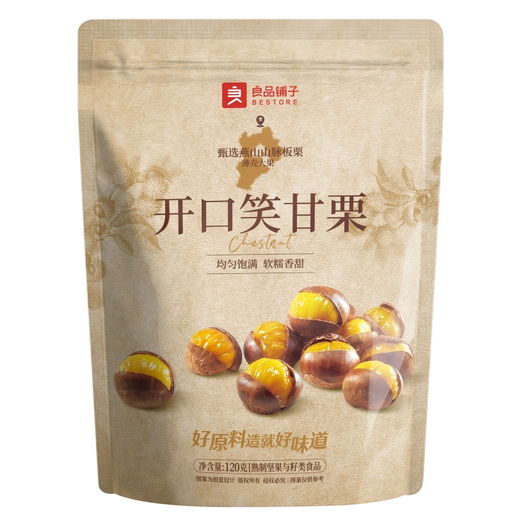
Bestore Smiling Chestnuts 120 g bag
The 120 g bag is an option if you plan to prepare your own breakfast portion. Compare calories for the measured amount rather than assuming the whole bag is one serving.
View on Joybuy
 No image available
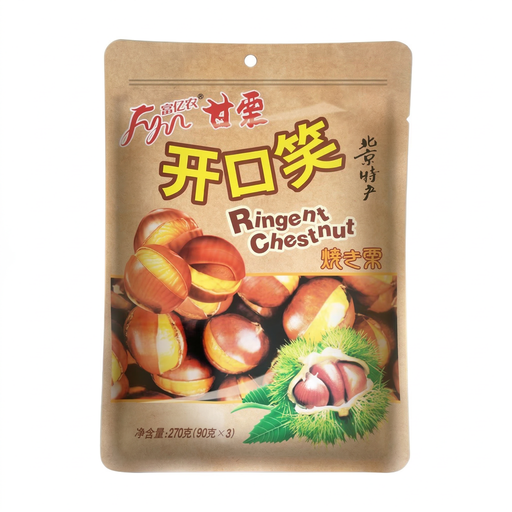
Fu Yi Nong Split-Shell Chestnuts 270 g, 3 packs
The 270 g product contains three packs, but a pack need not equal the breakfast portion you want. The split-shell format also means allowing for shell removal if you plan to eat while travelling.
View on Joybuy
 No image available
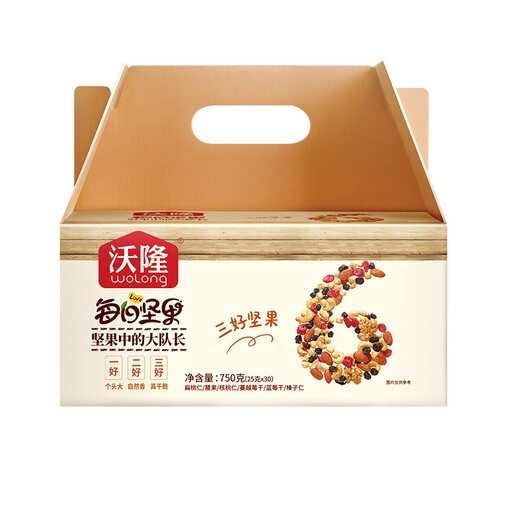
Wolong Daily Nuts Series A Adult Version 750 g
For this nut-and-fruit option, check the calories for the amount you will take, along with its ingredients, sugars and named allergens. The 750 g title describes the product size, not the amount to assume for one breakfast.
View on Joybuy
Frequently asked questions
Are nuts automatically a low-calorie breakfast?
No: the amount eaten changes the calorie total. Kent Community Health NHS Foundation Trust lists 12 almonds at 80 kcal and 15 g of pistachios at 90 kcal, while Tesco lists a 30 g KP salted peanut pack at 184 kcal. Choose a portion, then compare its calories.
What nut portion can I prepare before leaving?
A small measured amount in a container gives you a clear portion. Kent Community Health NHS Foundation Trust lists 12 almonds at 80 kcal, 15 g of pistachios at 90 kcal and 12 cashews at 90 kcal as snack examples. Decide separately whether you want other food alongside that amount for breakfast.
Does a single-serving pack settle the calorie question?
It settles the amount only if you eat one pack; you still need its calorie figure. Tesco lists a 30 g pack of KP Original Salted Peanuts at 184 kcal, which is different from the smaller measured nut portions in Kent Community Health NHS Foundation Trust's snack examples.
How should I compare plain nuts with a fruit-and-nut mix?
Compare the amount you intend to eat, calories and ingredients, then check sugars and salt if those matter to your choice. Marks & Spencer lists Natural Nut Medley at 640 kcal and 0.03 g salt per 100 g; its fruit-and-nut medley, which contains raisins, is listed at 494 kcal and 28.4 g sugars per 100 g. Neither per-100 g figure tells you what a differently sized portion contains without checking its weight.
Which allergen and choking warnings should I check?
Read the current pack's ingredients, allergen declaration, precautionary wording and age warnings. The Food Standards Agency distinguishes peanuts from tree nuts and explains that “may contain” wording can communicate possible unintended allergen presence. Marks & Spencer labels Natural Nut Medley unsuitable for children under 36 months because of a choking hazard.


