What should you check before buying?
Start with the amount you intend to eat. Then compare nutrition on the same weight basis and check ingredients and suitability on the particular pack.
| Priority |
What to check |
Your needs |
| Portion and energy |
Check kcal per 100g, then calculate the energy for the weight you will eat. If a serving value is shown, check its gram weight too. Kent Community Health NHS Foundation Trust says its small-portion examples are averages. |
I want a portion I can set aside for elevenses, rather than an open-ended handful from the packet. |
| Ingredients and salt |
Read the ingredient list and compare salt per 100g on the same basis. Marks & Spencer lists 576 kcal and 0.03g salt per 100g for Natural Shelled Pistachios, against 597 kcal and 1.60g salt per 100g for its Roasted and Salted Pistachios. |
Plain or seasoned nuts could work for me, but I want to know what has been added before choosing a flavour. |
| Allergens and age suitability |
Check the exact pack’s allergen, cross-contact and choking statements. The Food Standards Agency distinguishes tree nuts from peanuts; that distinction does not replace a product-specific check. |
Before I buy nuts for someone else, I need to know whether the particular packet is suitable for them. |
| Pack size and storage |
Check whether the pack contains one portion or needs dividing, and follow its instructions after opening. Storage directions can differ between products. |
A packet I can portion before elevenses is easier for me to plan than one I keep dipping into. |
Which brand references help with comparison?
These examples show what to compare on specific UK product listings; a brand name alone does not establish the nutrition or suitability of another product in its range.
M&S
Its cited natural almonds, natural shelled pistachios and roasted-and-salted pistachios provide examples for comparing energy and salt per 100g.
- M&S lists 561 kcal per 100g for Natural Almonds and 576 kcal per 100g for Natural Shelled Pistachios.
- Its Roasted and Salted Pistachios list 597 kcal and 1.60g salt per 100g, so check the particular product rather than applying a plain-product value across the range.
Sainsbury’s
Its cited Pistachio Nuts listing gives a 30g serving value that can be used when planning an elevenses portion.
- The listing states 181 kcal and 0.02g salt per 30g serving.
- It warns that the product may not suit people allergic to other nuts or sesame because of manufacturing methods; check the current pack.
Tesco
Its plain-nuts category provides a starting point for comparing different nut types and pack descriptions.
- The cited category includes almonds, cashews and walnuts alongside peanut products.
- Tesco advises reading the current product label because ingredients, nutrition and allergens can change.
KP
KP appears in Tesco’s cited category through dry-roasted and honey-roasted peanut products.
- These listings offer seasoned peanut options to compare by their individual pack labels.
- Check each product’s energy, ingredients, salt and allergen statements before treating it as an alternative to plain nuts.
Joybuy nut options for elevenses
These options include chestnut packs, almonds and pistachios. Their pack sizes offer different ways to plan elevenses, but the amount you eat and the current label determine the energy for your snack.
 No image available
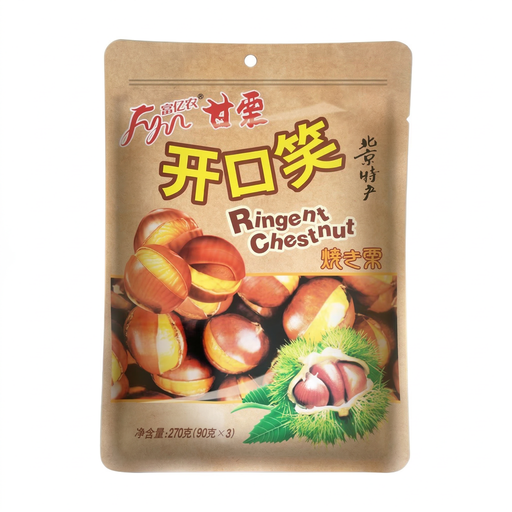
Fu Yi Nong Split-Shell Chestnuts 270g, 3 packs
The three-pack format gives you separate amounts to consider for elevenses. Check the weight and energy shown for each pack before treating one as your intended portion.
View on Joybuy
 No image available
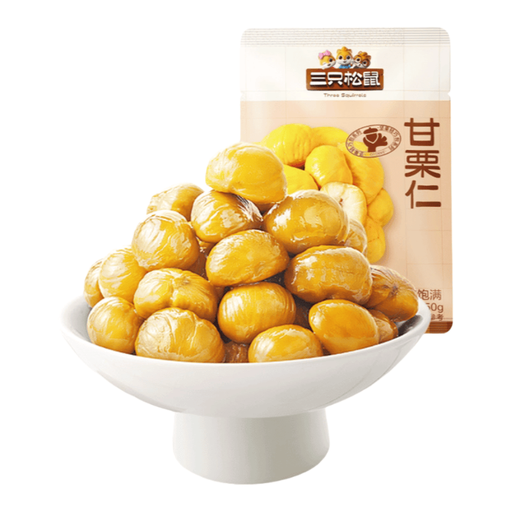
Three Squirrels Light Pack Sweet Chestnut Kernels 50g
The 50g pack has a stated weight you can compare with your planned snack amount. Read its energy and ingredient information before deciding whether to eat the whole pack.
View on Joybuy
 No image available
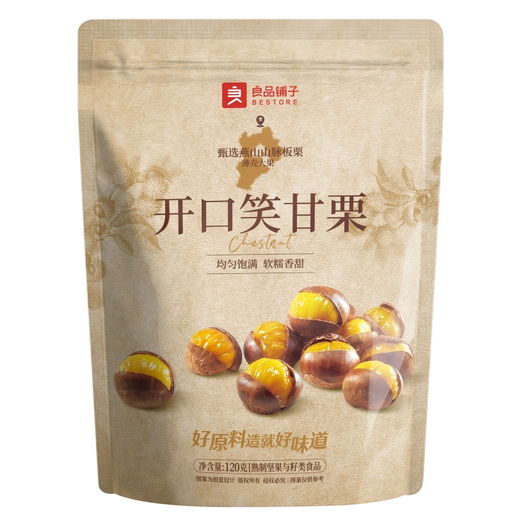
Bestore Smiling Chestnuts 120g
If 120g is more than you intend to eat at elevenses, set aside a smaller weight and use the pack’s energy information for that amount. Check its allergen statements rather than assuming suitability from the product name.
View on Joybuy
 No image available
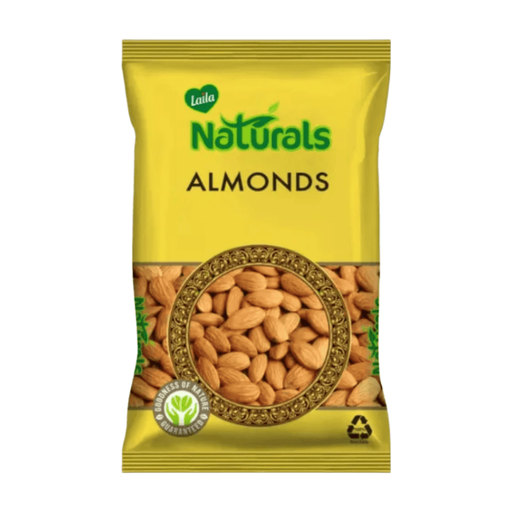
Laila Almonds 500g
For an almond snack from a 500g pack, count or weigh out your intended portion before eating. Kent Community Health NHS Foundation Trust’s 12-almond example is about 80 kcal on average; check this pack’s label for its own values and allergen information.
View on Joybuy
 No image available
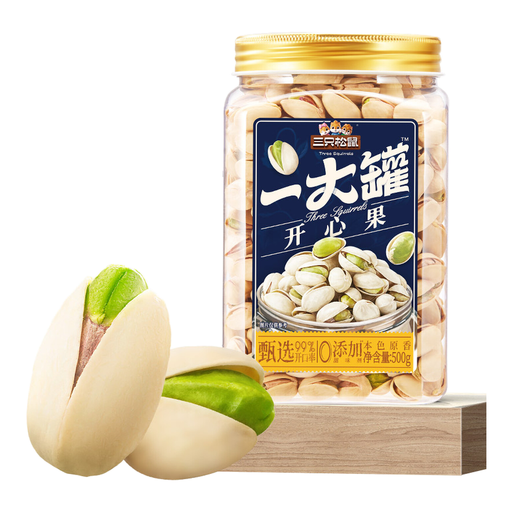
Three Squirrels Pistachios 500g
Set aside a portion from the 500g pack rather than using the pack size as a serving. If seasoning affects your choice, check the ingredients and salt value alongside the energy information on the current label.
View on Joybuy
Questions about nuts at elevenses
Can nuts fit a lower-calorie elevenses?
Yes, if you choose an amount whose energy fits the snack you have planned. Kent Community Health NHS Foundation Trust gives 12 almonds at about 80 kcal and 15g of pistachios at about 90 kcal as average examples; check the current pack for the product you eat.
Should I use calories per 100g or per serving?
Use per 100g to compare products at the same weight, then use the stated serving weight or your own weighed portion to work out what you will eat. For example, Sainsbury’s lists 181 kcal per 30g serving for its Pistachio Nuts, while Marks & Spencer lists 576 kcal per 100g for Natural Shelled Pistachios.
Are peanuts and tree nuts the same allergen?
No. The Food Standards Agency distinguishes peanuts, which are legumes, from tree nuts such as almonds and cashews. Neither category is automatically suitable for someone with an allergy: read the exact pack’s allergen and cross-contact statements.
What should I check before giving whole nuts to a young child?
Check the product’s age and choking warning. Marks & Spencer states that its Natural Almonds and Roasted and Salted Pistachios are not suitable for children under 36 months because of a choking hazard.
How should I store nuts after opening them?
Follow the instructions on the exact pack, as the stated times can differ. The cited Marks & Spencer Natural Almonds say to eat within one week of opening, while its Cashew Nuts say to eat within one month; both call for cool, dry storage.


