Calorie-aware snackers
If you want nuts to contribute protein, compare the amount you will actually eat. The labelled examples from M&S, Tesco Groceries and KP are approximately 176–191 kcal per 30g, so a larger handful changes the calorie total.


Do not assume a protein-rich nut snack is low in calories: the M&S mix, KP dry-roasted peanuts and Tesco almonds listed here provide approximately 176–191 kcal per 30g. The M&S nut-and-seed mix provides the most protein per calorie of those examples, but it is not solely nuts; choose between that mix, seasoned peanuts and plain almonds by checking the portion, salt, ingredients and allergens that matter to you.
If you want nuts to contribute protein, compare the amount you will actually eat. The labelled examples from M&S, Tesco Groceries and KP are approximately 176–191 kcal per 30g, so a larger handful changes the calorie total.
Dry-roasted peanuts offer a seasoned option, but protein is only part of the comparison. Tesco Groceries lists 9g protein and 0.60g salt per 30g serving of KP Dry Roasted Peanuts 450g.
Peanuts, tree nuts, soya and sesame can appear in different products or precautionary statements. Check the current pack for the person who will eat it; M&S also warns that small children can choke on nuts.
Start with protein and kcal for the same portion, then check whether the ingredients, salt and pack format suit how you snack.
| Priority | What to check | Your needs |
|---|---|---|
| Protein and calories | Compare protein and kcal per 100g or per equal-sized serving. For the labelled examples, M&S lists 34.4g protein and 585 kcal, Tesco Groceries lists 30g and 594 kcal for KP Dry Roasted Peanuts 450g, and Tesco Almonds list 21.1g and 635 kcal, respectively, per 100g. | I want to see how much protein a snack contributes without mistaking a protein claim for a low-calorie portion. |
| Portion size | Check the pack size, stated serving and kcal for the amount you plan to eat. M&S states that its 30g nut-and-seed mix pack provides 10g protein. | For a snack away from home, a single pack may be easier for me to gauge than eating directly from a larger bag. |
| Salt and ingredients | Read salt on the same weight basis and check what is added to the nuts. Tesco Groceries lists 2.0g salt per 100g for KP Dry Roasted Peanuts 450g and less than 0.01g per 100g for Tesco Almonds 200g. | I may prefer seasoned peanuts for their flavour, or plain almonds when I want less listed salt. |
| Allergens and safety | Read the current ingredients and any ‘may contain’ statement. The Food Standards Agency distinguishes peanuts from tree nuts; also heed choking warnings where young children are concerned. | Before choosing for my household, I need to check the particular product rather than assume all nut snacks have the same ingredients. |
M&S, Tesco Groceries and KP label the compared products at 585–635 kcal per 100g. A per-serving figure will not describe a larger amount eaten from the bag.
Compare protein and kcal for equal weights, then check the kcal for your intended portion.
Tesco Groceries lists 9g protein but also 0.60g salt per 30g serving of KP Dry Roasted Peanuts 450g.
Read the salt and ingredients alongside protein, particularly if you are comparing a seasoned product with plain nuts.
M&S Protein Packed Nut and Seed Mix contains soybeans and seeds as well as nuts. Its protein-per-calorie figure is therefore not a like-for-like comparison between whole nuts.
Check the ingredient list before using the mix as a benchmark for plain almonds or peanuts.
Products can have different ingredients and precautionary allergen statements. Whole nuts can also present a choking risk to small children.
Read the current physical pack before eating, especially when an allergy or child-safety concern applies.
KP offers dry-roasted peanut formats for shoppers who prefer a seasoned snack.
Tesco Almonds provide a plain whole-nut comparison with seasoned peanuts.
M&S Protein Packed Nut and Seed Mix is a portioned option when you are comparing protein with calories.
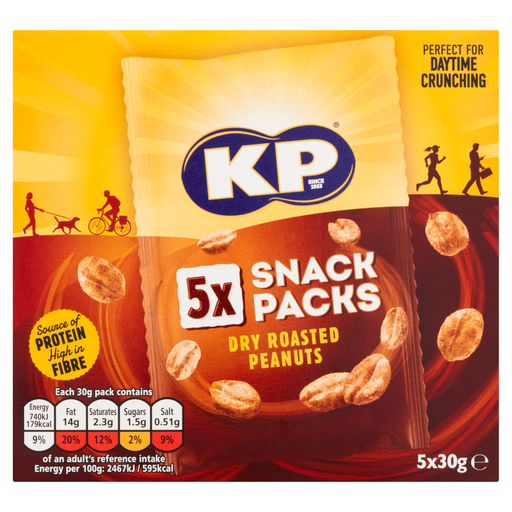
These Joybuy options are KP peanut snacks in portioned, dry-roasted, salted and unsalted formats. Compare the current pack’s nutrition and allergen information before choosing a serving.
 No image available
The five 30g packs provide a defined pack size for a seasoned peanut snack. Check the nutrition and allergen information for this multipack.
 No image available
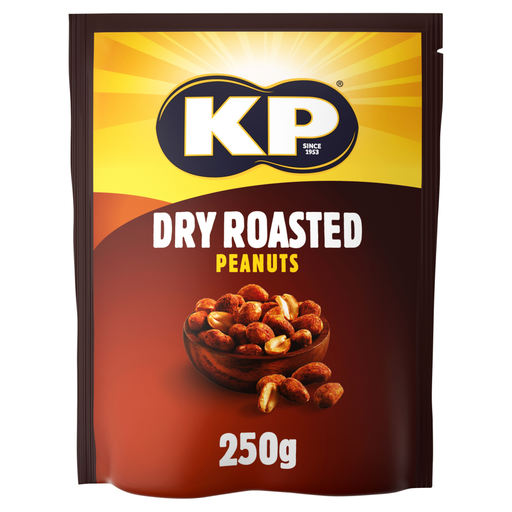
This 250g reclose pack suits shoppers prepared to measure a serving from a larger pack. Check its salt and allergen information alongside the protein and kcal figures.
 No image available
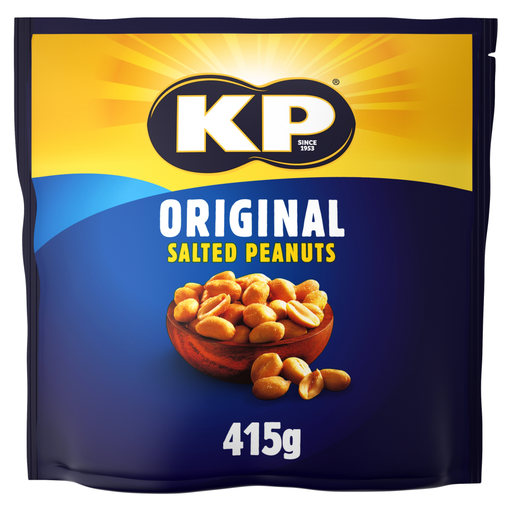
This salted peanut option comes in a 415g pack. Measure the amount you intend to eat and compare the pack’s salt, protein and kcal figures with other options.
 No image available
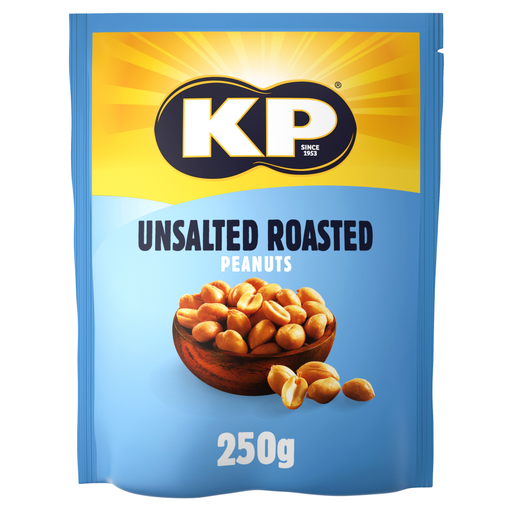
Consider this 250g unsalted peanut pack if you do not want a salted or dry-roasted flavouring. Measure your portion and check the current ingredients and allergen statement.
 No image available
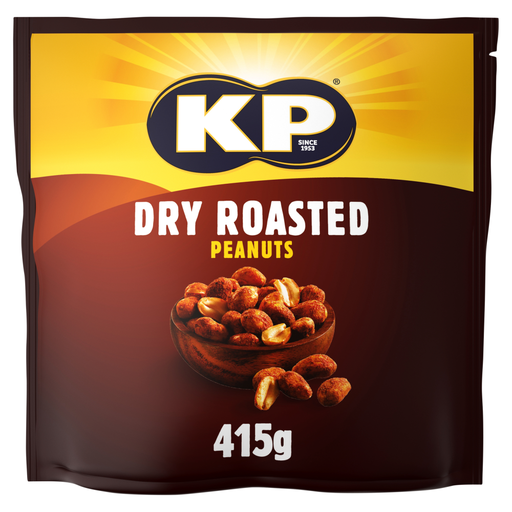
This 415g dry-roasted peanut pack is another seasoned option for shoppers who portion their own snacks. Read its nutrition and allergen information for this particular pack.
Not among these labelled examples: Marks & Spencer lists 585 kcal per 100g for its nut-and-seed mix, Tesco Groceries lists 594 kcal for KP Dry Roasted Peanuts 450g and 635 kcal for Tesco Almonds 200g. Compare the protein and kcal in the portion you will eat rather than relying on the protein description alone.
The M&S Protein Packed Nut and Seed Mix provides approximately 5.9g protein per 100 kcal, calculated from Marks & Spencer’s figures of 34.4g protein and 585 kcal per 100g. It also contains soybeans and seeds, so it is not a comparison of nuts alone.
In the Tesco Groceries listings compared here, KP Dry Roasted Peanuts 450g provide more protein per 30g serving: 9g versus 6.3g for Tesco Almonds 200g. The almonds have less listed salt per 100g, while the peanuts offer a seasoned flavour; check the current packs if either distinction matters to you.
No. The Food Standards Agency identifies peanuts as legumes and distinguishes them from tree nuts such as almonds. Check the particular product’s ingredients and ‘may contain’ statement, and follow the allergy advice applicable to the person eating it.
Check protein and kcal for the portion you intend to eat, then read salt, ingredients, declared allergens and any precautionary allergen statement. The current physical pack matters particularly when an allergy or household safety concern applies.