Students packing for one break
A single pack gives you a defined portion to take to a desk or library without decanting nuts from a larger bag.


Choose a single portion when you want a snack ready for one revision break, or a multipack when you need separate portions for several sessions. A larger bag works if you can portion it before leaving home. Compare the ingredients, nutrition per pack and current allergen label as well as the bag size; no particular nut snack should be assumed to improve exam performance.
A single pack gives you a defined portion to take to a desk or library without decanting nuts from a larger bag.
Individually packed portions let you take one bag at a time. Ocado lists the KP Salted Peanuts Multipack as five separate 30 g packs.
Salted peanuts, mixed nuts and nut-and-seed products have different recipes. Check the current pack’s ingredients and allergen statements before choosing one.
Start with how many separate snacks you need and whether you can portion a larger bag yourself. Then compare the exact recipe and per-pack label.
| Priority | What to check | Your needs |
|---|---|---|
| Ready-to-carry portion | Check the weight of each portion and whether bags are individually packed. Tesco lists a 25 g Mixed Nuts & Pecans pack; Ocado lists five separate 30 g KP peanut packs. | I want to take one snack to a study session without measuring it first. |
| Several study breaks | Check the number of separate packs, not just the total weight. A larger bag needs portioning before it offers the same one-at-a-time convenience. | Keeping separate snacks for the week matters more to me than opening one larger bag. |
| Nutrition and recipe | Compare values on the same basis: per pack, per serving or per 100 g. Ocado reports 9 g protein and 2.6 g fibre per 30 g KP pack; Marks & Spencer lists 10 g protein per 30 g Protein Packed Nut and Seed Mix pack. Check whether a product contains added salt, oil or other ingredients. | I want to know what is in this particular snack rather than choose it for a general claim about nuts. |
| Allergens | Read the current ingredients and any precautionary allergen statement for the exact product. The Food Standards Agency distinguishes peanuts from tree nuts and explains that precautionary wording concerns possible cross-contact. | Before eating, I need to check both the ingredients and any “may contain” warning relevant to me. |
A larger bag can be useful for portioning at home, but it does not give you a separately packed snack to take straight to a library session.
Check both the total weight and whether the pack contains individual bags before choosing a format for travel.
Salted peanuts and unsalted mixed nuts differ in ingredients and salt content. Ocado lists 0.36 g salt per 30 g KP Salted Peanuts pack, while Tesco lists less than 0.01 g per 25 g portion of its Unsalted Mixed Nuts; the portions and products are different.
Read the ingredients and compare nutrition values using the stated serving sizes rather than relying on the flavour name alone.
The Food Standards Agency explains that precautionary allergen labelling communicates a possible cross-contact risk, even when the allergen is not a listed ingredient.
If an allergen matters to you, check the current label for the exact pack rather than assuming a familiar-looking recipe is suitable.
These brand examples illustrate formats and recipes to compare; a brand name alone does not establish the size or ingredients of a particular pack.
Ocado lists a KP Salted Peanuts Multipack containing five 30 g portions.
Tesco lists a 25 g Mixed Nuts & Pecans pack and a 200 g Unsalted Mixed Nuts bag.
Marks & Spencer lists a 30 g Protein Packed Nut and Seed Mix and a 75 g Nut Collection.
Sainsbury's lists own-brand mixed nuts and salted peanuts alongside KP products.
Planters shows single-serve variety packs on its US website.
These options include multipacks of nut-containing bars, a 110 g peanut bag and a larger peanut bag to portion yourself. The bars are a different format from loose nuts, and the 110 g bag is not an individually packed 25–30 g portion.
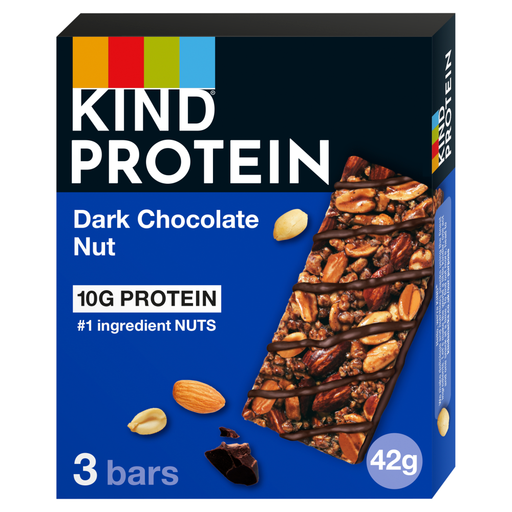 Image unavailable
A pack of three bars offers separate snacks for different revision breaks. These are nut bars rather than bags of loose nuts; check the current ingredients and allergen label.
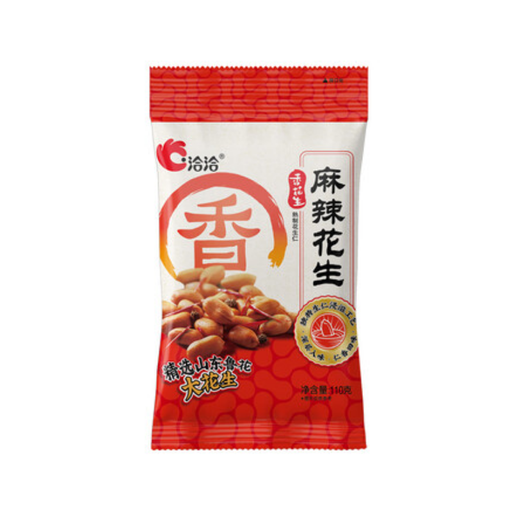 Image unavailable
This is one 110 g bag, not a set of smaller portions. Consider whether you want to portion it before a study session, and check the seasoning and allergen label.
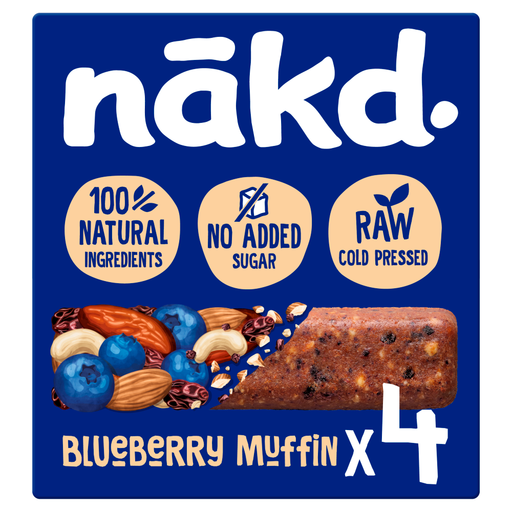 Image unavailable
Four bars provide separate portions for several breaks. This is a fruit-and-nut bar rather than a plain nut bag, so compare its ingredients and nutrition label with the snack you intended to buy.
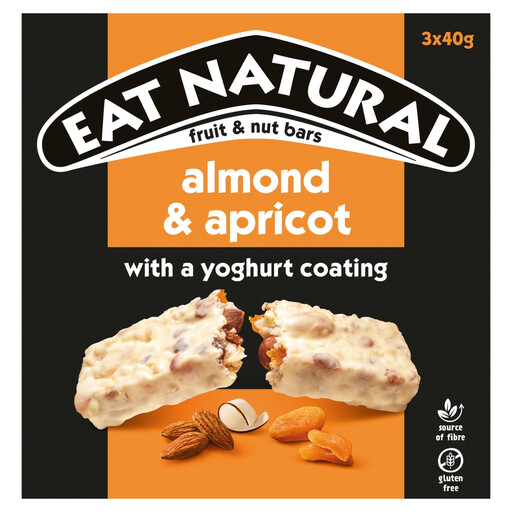 Image unavailable
A three-pack gives you bars to take to separate study sessions. Its almond, apricot and yoghurt-flavour combination differs from a plain nut snack; check the current ingredient and allergen information.
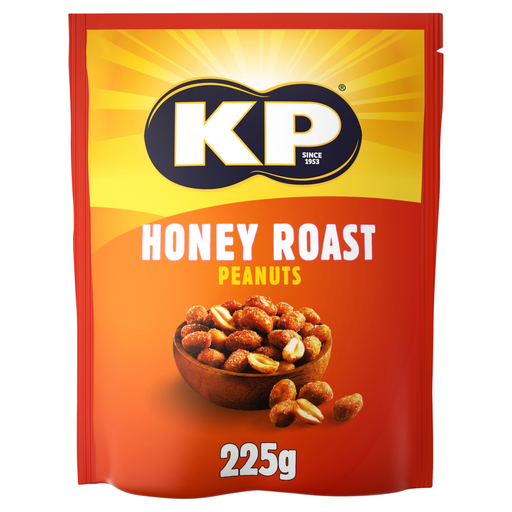 Image unavailable
The 225 g bag is an option if you plan to portion peanuts for later breaks, rather than take a ready-sized individual pack. Check the honey-roast ingredients and current allergen statement.
Do not choose a nut snack on the assumption that it will improve concentration or exam results. British Dietetic Association snack guidance describes how snacks can contribute nutrients such as protein and fibre; for a revision break, compare the portion, ingredients and dietary suitability of the product you would actually eat.
Choose a small individual pack if you want a ready-sized snack to carry. A larger bag can work when you have time to portion it yourself: Tesco’s 200 g Unsalted Mixed Nuts bag, for example, lists a 25 g reference portion but does not contain separate 25 g packs.
No. The Food Standards Agency distinguishes peanuts, which are legumes, from tree nuts. A snack may contain either or both, as well as precautionary warnings for other allergens, so check the current label of the exact pack.
The Food Standards Agency explains that precautionary allergen wording communicates a possible cross-contact risk. If you have an allergy, use the current pack label when assessing the product and follow advice from your relevant healthcare professional.
Yes. Tesco and Marks & Spencer advise checking the pack because food products can be reformulated. Reread the ingredients, nutrition information and allergen statements, particularly when a product’s suitability depends on them.