Runners watching snack portions
If you are comparing calories while training for a marathon, a labelled serving or single pack makes it easier to decide how much to take than eating directly from a larger bag.


Nuts can be a measured snack between training sessions, but they are not the only food to rely on when you need carbohydrate immediately before or during a run. For a smaller snack, compare calories at the same portion weight or choose a single pack; for session fuel, the UK Sports Institute gives compact carbohydrate foods and drinks as examples. Chestnuts and nut-based bars need their own label checks rather than being treated as equivalent to plain nuts.
If you are comparing calories while training for a marathon, a labelled serving or single pack makes it easier to decide how much to take than eating directly from a larger bag.
The timing matters: the UK Sports Institute gives compact carbohydrate foods and drinks as examples for before and during exercise, while nut snacks serve a different purpose from immediate session fuel.
Single packs, plain nuts and mixes differ in serving size and ingredients. Check the current nutrition and allergen information for the particular product you plan to carry.
Start with when you plan to eat the snack, then compare portions and labels for products that fit that occasion.
| Priority | What to check | Your needs |
|---|---|---|
| Portion size | Compare the stated calories and serving weight. Put products on the same gram-weight basis before comparing them; a single pack and a large bag do not define portions in the same way. | I want to know how much I am taking with me, rather than guess at a handful. Tesco Groceries lists 142 kcal for its 25 g almond pack and for a 25 g serving of its nuts-and-raisins mix. |
| Run timing | Check carbohydrate per serving and whether you need food for an imminent run or a snack at another time. The UK Sports Institute lists compact carbohydrate foods and drinks for before and during exercise. | When a run is close or under way, I need to choose session fuel rather than assume plain nuts alone provide the carbohydrate I want. |
| Ingredients and salt | Read the ingredients and salt value for the specific serving. Tesco Groceries lists less than 0.01 g salt per 25 g of its unsalted nuts-and-raisins mix; its listing for a KP salted peanut pack gives 0.36 g per 30 g. | I may want plain or unsalted nuts, or I may prefer a mix. The product name alone will not tell me everything added to it. |
| Allergens | Check the current ingredients and any precautionary allergen statement on every pack. Tesco Groceries lists peanuts and several tree nuts in its nuts-and-raisins mix. | If an allergy matters in my household, I need the label for the exact product, not an assumption based on its main nut. |
Serving weight changes the comparison. Tesco Groceries lists 142 kcal per 25 g for its almond pack, while Sainsbury's lists 180 kcal per 30 g of its Fairtrade cashews.
Compare like-sized portions and divide a larger bag into the amount you intend to eat.
The cited plain-nut servings contain 3.2–5.4 g carbohydrate per labelled serving. The UK Sports Institute instead gives compact carbohydrate foods and drinks as examples for before and during exercise.
If you need food close to or during a run, consider a carbohydrate-led option that you have practised using in training. Keep a measured nut snack for another occasion.
Ingredients and salt values differ: the Tesco Groceries listing for KP salted peanuts gives 0.36 g salt per 30 g pack, while its unsalted nuts-and-raisins mix lists less than 0.01 g per 25 g.
Check the current ingredient list and compare salt at the serving sizes you would actually eat.
A mix can contain several nuts and peanuts, while individual packs can also carry precautionary allergen statements.
If you are buying for someone with an allergy, read the full current ingredients and allergen information on that pack.
These labelled examples offer points of comparison for serving size and ingredients; they do not establish that every product in a range has the same nutrition values.
The cited Tesco products include a 25 g almond pack, a larger almond bag and an unsalted nuts-and-raisins mix.
Its cited Fairtrade cashews and pistachios both give nutrition values for a 30 g serving.
KP's cited salted peanuts come in individual 30 g snack packs.
Marks & Spencer describes its natural-nut range as having nothing added.
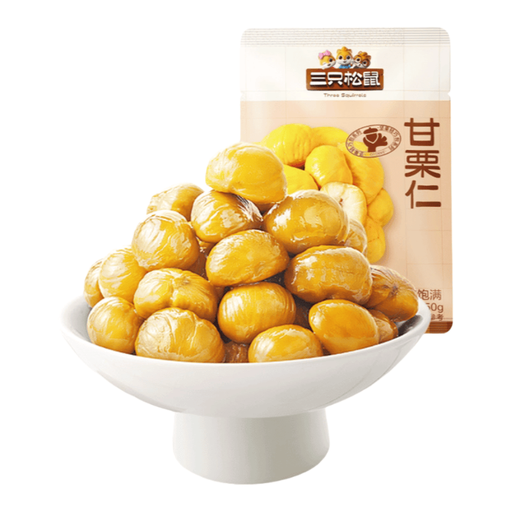
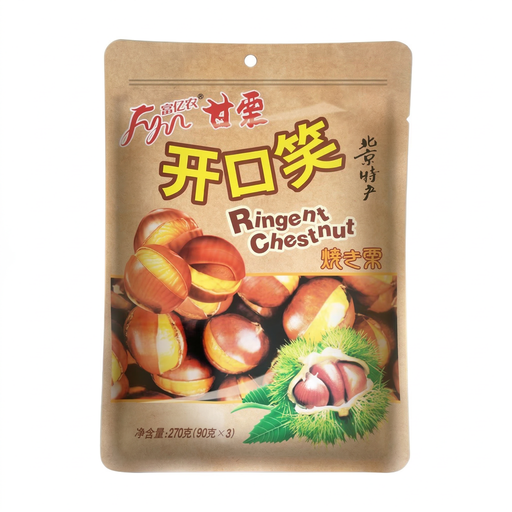
These options span chestnut snacks, a peanut bar and cashews. Compare their labels and portion formats separately: a chestnut pack or bar is not the same choice as a measured serving of plain nuts.
 No image available
The 50 g pack gives you a defined amount to carry. If you are considering chestnuts for a run, check the pack's carbohydrate information and whether that portion suits your timing.
 No image available
Three inner packs provide separate portions to carry. Check the nutrition information for one inner pack rather than treating the full 270 g pack as a serving.
 No image available
This is a peanut-based bar option rather than a portion of plain nuts. The four 35 g bars make individual portions clear; check each bar's nutrition and allergen label for your intended snack.
 No image available
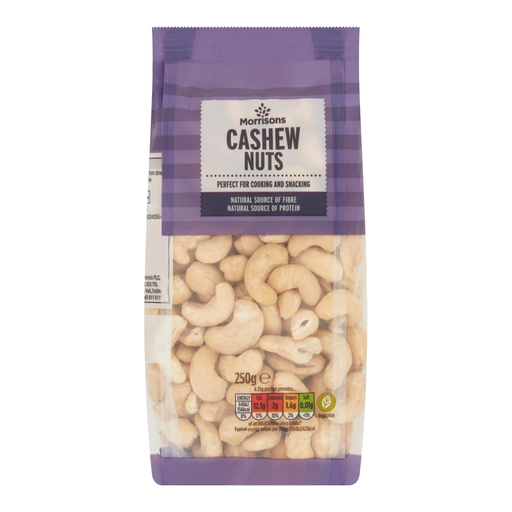
If you want a cashew snack between sessions, measure a portion from this 250 g bag and compare its labelled calories at that weight. Check the current allergen statement before sharing it.
 No image available
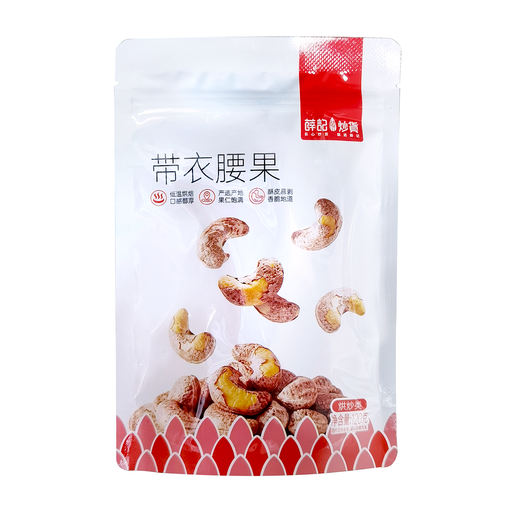
These are salted cashews in a 120 g pack, not a single measured serving. Portion them before eating and check the label's salt and calorie values if either affects your choice.
Plain nuts are not a close substitute for carbohydrate-led session fuel when you need carbohydrate at that time. The cited plain-nut servings contain 3.2–5.4 g carbohydrate, while the UK Sports Institute gives compact carbohydrate foods and drinks as examples for before and during exercise.
Tesco Groceries lists 142 kcal for its 25 g almond pack and per 25 g serving of its unsalted mixed nuts and raisins. The almonds are a plain-nut option; the mix contains raisins and sunflower oil. Those values describe these products and portions, not every almond or nut mix.
Compare calories at the same gram weight, then decide what portion you would take. A 25 g single pack fixes the amount, whereas a larger bag needs dividing or weighing if you want a particular serving.
Read the current ingredients and any precautionary allergen statement for the exact pack. Tesco Groceries lists peanuts and several tree nuts in its mixed nuts and raisins, so the name of a mix alone is not enough to identify everything in it.
Not if salt is part of your comparison. The Tesco Groceries listing for a KP salted peanut pack gives 0.36 g salt per 30 g, while its unsalted nuts-and-raisins mix lists less than 0.01 g per 25 g. Check the serving weights and current labels alongside the ingredients.