Commuters carrying a snack
You want a ready-to-eat pack that fits in your bag, with protein stated for a serving or the whole pack so you can judge the portion you will take.


For a train journey, choose nuts or a nut-and-seed snack by the protein stated for the portion you will eat, not by the pack’s protein wording alone. A single 30g pack gives you a defined portion; a larger peanut or mixed-nut bag needs portioning, while salt and allergen information can change which product is suitable for you.
You want a ready-to-eat pack that fits in your bag, with protein stated for a serving or the whole pack so you can judge the portion you will take.
You prefer plain or unsalted nuts and want to read the salt and protein figures together, rather than relying on a flavour name.
You need to read the ingredients and precautionary allergen wording on the exact pack, particularly when peanuts, tree nuts, soy or sesame are a concern.
Start with the portion you expect to eat on the train, then compare its protein figure, the pack format and the current label.
| Priority | What to check | Your needs |
|---|---|---|
| Protein per portion | Read the grams of protein per serving or pack and note the portion size. Tesco Groceries lists 9.0g per 30g for KP Unsalted Peanuts; Sainsbury’s lists 8.8g per 30g for its Fairtrade Peanuts; M&S states 10g per 30g pack for its Protein Packed Nut and Seed Mix. | I want to know how much protein is in the portion I will actually eat, whether that is a whole small pack or some of a larger bag. |
| Pack format | Check whether the pack is one portion or contains several. A larger bag can be portioned before travel; follow its instructions after opening. | A single pack saves me carrying a separate container. For a longer journey or several portions, I would rather decide how much to take from a larger bag. |
| Salt and portion size | Compare salt for the portion you intend to eat, using the same basis as the protein figure. Tesco Groceries lists less than 0.01g salt per 30g for KP Unsalted Peanuts and per 25g for Tesco Unsalted Mixed Nuts. | If I prefer unsalted nuts, I still want to check the serving size rather than assume a large bag is a single snack. |
| Ingredients and allergens | Read the ingredient list and allergen statements on the physical pack, including precautionary wording. Do not assume a peanut product has no tree-nut warning. | Before eating or sharing, I need to know whether this particular pack declares an ingredient or possible cross-contact that matters to me. |
The stated portions differ: Tesco Groceries lists 5.4g protein per 25g for Tesco Unsalted Mixed Nuts, while M&S states 10g per 30g pack for its Protein Packed Nut and Seed Mix. Those figures describe different amounts of food.
Decide how much you plan to eat, then compare the nutrition information on that basis.
A 100g, 200g or 250g bag contains more than the serving size used for the cited nutrition figures.
If you want a defined portion, choose a single pack or put a portion from the larger bag in a container before leaving.
Salt information does not tell you which nuts or other ingredients a mix contains. Allergen statements matter separately from the nutrition panel.
Read the complete ingredient and allergen information, including any precautionary wording.
Ingredients and label information can change between the listing you read and the pack you buy.
Check the physical pack before eating, particularly if an allergen or another ingredient affects your choice.
These examples show how portion and ingredient information can differ between specific products; a brand name alone does not establish what is in every pack.
KP Unsalted Peanuts are a larger-pack choice for travellers who prefer peanuts to a nut-and-seed mix.
Sainsbury’s Fairtrade Peanuts offer a 100g peanut pack rather than a single journey portion.
Tesco Unsalted Mixed Nuts are a different format for shoppers who want several nut types in one bag.
M&S Protein Packed Nut and Seed Mix comes as a defined 30g pack.
Planters Protein Nuts Mix is a branded mix to compare with plain peanuts and other mixed-nut formats.
These Joybuy options include plain and seasoned peanuts, mixed nuts and individually packed fruit-and-nut bars. They are different snack formats, so compare each pack’s label and the portion you would take on the train.
 No image available
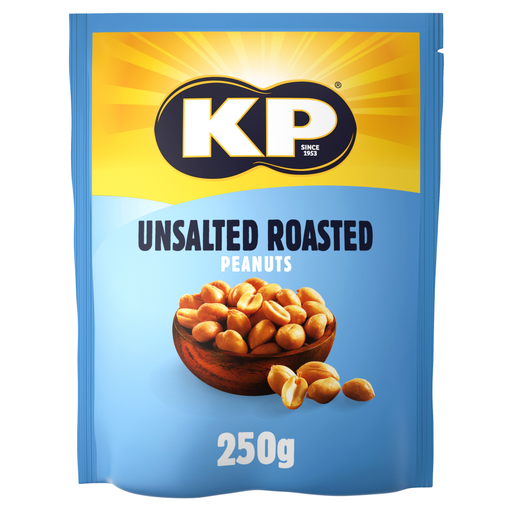
This 250g peanut pack suits a traveller who prefers unsalted nuts and is willing to portion a larger bag. Tesco Groceries lists 9.0g protein and less than 0.01g salt per 30g serving for KP Unsalted Peanuts; check the pack label before eating.
 No image available
Four individual 35g bars offer a different way to carry a defined snack portion. This is a bar rather than a pack of plain nuts; check its protein figure and allergen information on the label before deciding.
 No image available
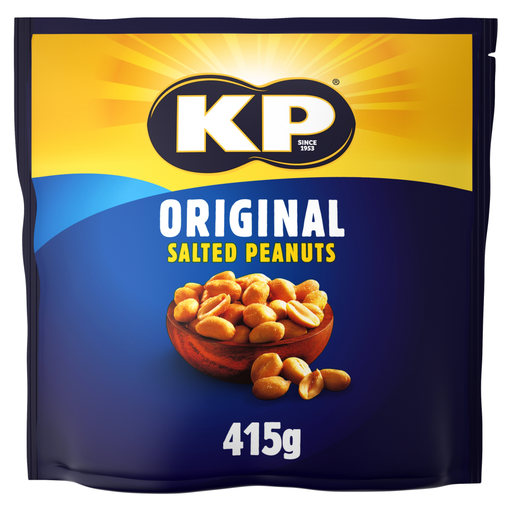
This 415g salted-peanut pack is a multi-serving option, so decide how much to carry for one journey. Check the protein and salt figures for the portion you intend to eat rather than treating the bag as a single serving.
 No image available
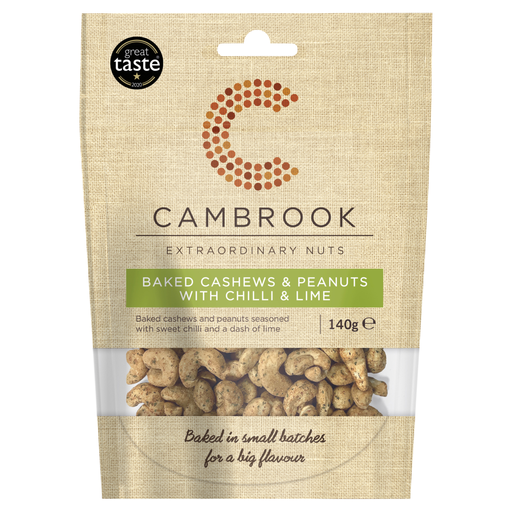
This 140g seasoned mix combines cashews and peanuts rather than offering plain nuts. If protein or salt is driving your choice, compare the label for the portion you plan to eat and check the full allergen statement.
 No image available
This 100g herb-seasoned pack contains peanuts and hazelnuts, making its ingredient list an important part of the choice. Check the protein and salt figures against your intended portion, and read the allergen wording on the pack.
No. Read the grams of protein per stated serving or whole pack, then check the portion size, salt and allergens. Tesco Groceries lists 5.4g protein per 25g serving for Tesco Unsalted Mixed Nuts, whereas M&S states 10g for its 30g Protein Packed Nut and Seed Mix.
A single pack gives you a defined portion without preparing one in advance. If you want several portions from a larger bag, separate the amount you intend to eat and follow the pack’s instructions after opening.
No. Sainsbury’s states that its Fairtrade Peanuts are not suitable for customers with a tree-nut allergy because of manufacturing methods. Read the ingredient and precautionary allergen statements on the exact pack before eating or sharing it.
Follow the storage instructions on that pack. The reviewed KP and Sainsbury’s peanut packs direct customers to store them in a cool, dry place; KP says to consume its product within seven days of opening, while Sainsbury’s says to reseal its pack to retain freshness.