Workers taking a short morning break
A pack with a stated protein amount makes it easier to judge one break’s portion. M&S declares 10g of protein in its 30g Protein Packed Nut and Seed Mix pack.


For a measured tea-break portion, M&S Protein Packed Nut and Seed Mix declares 10g of protein in its 30g pack. If you prefer peanuts or mixed nuts from a larger bag, compare protein and salt per 100g, portion out what you plan to eat and check the exact pack for allergens.
A pack with a stated protein amount makes it easier to judge one break’s portion. M&S declares 10g of protein in its 30g Protein Packed Nut and Seed Mix pack.
If you enjoy peanuts but also check salt, read both figures on the same per-100g basis. Marks & Spencer declares 25.3g protein and 1.18g salt per 100g for its Dry Roasted Peanuts.
Peanuts, tree nuts and other ingredients need separate attention. The Food Standards Agency distinguishes peanuts, which are legumes, from tree nuts; check the current statement for the particular snack you intend to buy or share.
Start with the amount you would eat at one break, then compare labels on a common per-100g basis and check the ingredients.
| Priority | What to check | Your needs |
|---|---|---|
| Protein and portion | Compare declared protein per 100g. Use a per-pack figure where given, or consider how much of a larger bag you would eat. M&S declares 10g protein per 30g Protein Packed Nut and Seed Mix pack. | I want to know the protein amount in my tea-break portion, not mistake a large bag for one serving. |
| Salt and seasoning | Read salt per 100g alongside protein and check the ingredient list. Marks & Spencer declares 1.18g salt per 100g for Dry Roasted Peanuts and 0.02g per 100g for its Nut Collection. | If I choose a savoury snack regularly, I want to see what comes with its protein figure. |
| Allergens | Check the exact pack’s ingredients, allergen statement and any precautionary wording. Peanuts are distinct from tree nuts, according to the Food Standards Agency; a mix can contain other ingredients too. | I need to know whether the snack is suitable for the people who will eat it, rather than relying on the word “nuts”. |
| Pack format | Look for a stated individual portion or plan a portion from a larger bag. Check any product-specific warnings before sharing whole nuts with children. | A pack I can take to a tea break matters more to me than a figure calculated for an amount I would not eat at once. |
Containing protein does not tell you how much a tea-break portion provides or what claim appears on that product’s label.
Compare the declared amount per 100g and, where available, per pack. Read the claim on the particular product rather than applying it to all peanuts.
Products with useful protein figures can have different salt declarations. Marks & Spencer lists 1.18g salt per 100g for Dry Roasted Peanuts, against 0.02g per 100g for its Nut Collection.
Compare salt on the same per-100g basis before deciding whether a seasoned or plain snack fits your preference.
Nut-and-seed mixes may contain ingredients beyond tree nuts. Peanuts and tree nuts are also distinct allergens.
Read the current ingredient and allergen statements for each product. KP advises checking the ingredient list on every pack before purchase when allergens matter.
A per-100g protein figure does not describe the amount eaten if you take only some of a larger pack.
Choose a pack with a stated individual portion or decide how much to take from a larger bag before the break.
Its product range includes a 30g nut-and-seed mix, dry-roasted peanuts and a mixed-nut collection.
KP offers peanut snacks in unsalted, salted and dry-roasted formats.
Tesco’s peanut category has listed both larger packs and KP 5 x 30g snack packs.
Planters has a US-facing product page for unsalted dry-roasted peanuts.
These peanut, cashew and pistachio packs are options for portioning a morning-break snack. Their names identify the nut and pack size; check each current label for protein, salt, ingredients and allergens before choosing.
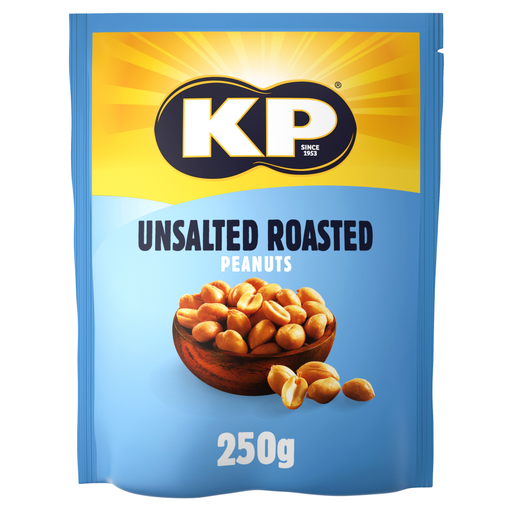 No image available
Consider these if you want unsalted peanuts to portion from a 250g pack. Check the current label for the protein amount and allergen statement.
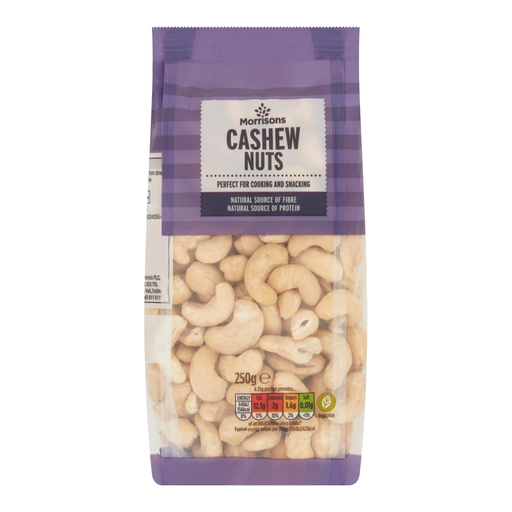 No image available
A cashew option if you prefer to portion tree nuts from a 250g pack. Compare its current protein and salt declarations with any peanut snack you are considering.
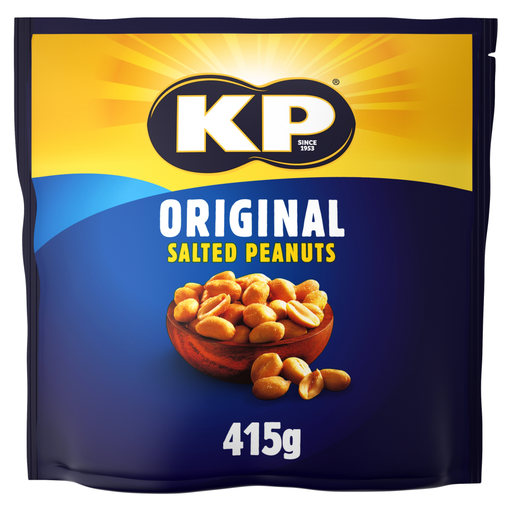 No image available
These salted peanuts come in a 415g pack, so decide on a tea-break portion rather than treating the bag as one serving. Check salt alongside protein on the current label.
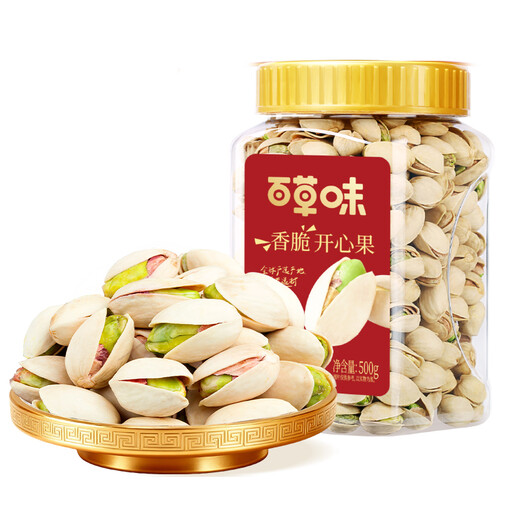 No image available
A pistachio option in a 500g pack for shoppers who plan to take a smaller portion to their break. Check the current nutrition and ingredient labels when comparing it with peanuts or cashews.
Use both where the label gives both figures. GOV.UK explains that nutrition information is expressed per 100g or 100ml, which helps you compare different pack sizes; a per-pack declaration helps you judge one break’s portion. M&S declares 10g protein in its 30g Protein Packed Nut and Seed Mix pack.
No. The Food Standards Agency identifies peanuts as legumes, distinct from tree nuts. That distinction does not establish whether a particular snack is suitable for someone with an allergy: read its current ingredients, allergen statement and any “may contain” wording.
Compare the declared salt per 100g, then consider how much you would eat. Marks & Spencer lists 0.02g salt per 100g for its Nut Collection and 1.18g per 100g for its Dry Roasted Peanuts, illustrating why the protein figure should not be the only number you read.
Do not assume a general snack pack is suitable for a young child. Check its product-specific age and choking warnings before sharing whole nuts; M&S warns about choking and labels its Dry Roasted Peanuts as unsuitable for children under 36 months.