People preparing several office lunches
A larger bag or tin gives you nuts to divide across workdays. This suits a routine where you have storage space and can fill separate lunch containers before leaving home.


Choose a larger bag or tin if you prepare several office lunches and are happy to portion nuts into containers at home. Choose individual packs if a ready-to-pack portion matters more; if you prefer unsalted nuts, check that the exact product is labelled unsalted. Whichever format you choose, check its allergen label and your workplace policy before taking it into shared spaces.
The useful distinction is whether you will make up lunch portions yourself or want a pack ready to put in your bag.
A larger bag or tin gives you nuts to divide across workdays. This suits a routine where you have storage space and can fill separate lunch containers before leaving home.
Individual packs remove the step of decanting nuts each morning. Check the number and weight of the portions so the format fits your working week.
Look for an explicitly unsalted product rather than judging by nut type or whether a pack says roasted. Check the label on the particular pack you intend to take to work.
Start with the pack format you will use, then check the seasoning and allergen information on the exact product.
| Priority | What to check | Your needs |
|---|---|---|
| Pack size and storage | Check the total weight and whether you have a suitable place to keep the pack. Plan how you will divide a larger bag or tin between lunches. | I prepare lunches for several days and can put each portion into a separate container. |
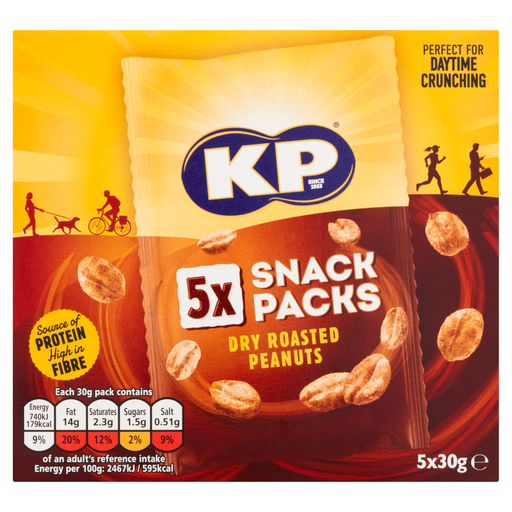
| Ready-to-pack portions | Check the number of packs and the weight of each one. KP Salted Peanuts Snack Packs, for example, are listed as 5 x 30g. | A sealed portion I can put straight into my work bag is more useful to me than portioning a larger pack at home. |
| Salt and seasoning | Read the exact product name, ingredients and nutrition panel. KP lists both salted peanuts and a separately labelled unsalted roasted peanut product. | I prefer an unsalted option and do not want to assume that every roasted or mixed-nut pack has the same seasoning. |
| Allergens and office rules | Read the ingredients, allergen statement and any precautionary wording on the pack. Check workplace rules before taking nuts into a shared space. | Before I pack or share a snack, I need to know what is in this product and whether nuts are permitted at work. |
The Food Standards Agency distinguishes peanuts, which are legumes, from tree nuts. A mixed-nut pack may contain several types of nut, so a familiar-looking format does not tell you which allergens are present.
Check the ingredients and allergen wording on the exact pack each time, including any “may contain” statement. Follow your workplace policy before bringing nuts into shared areas or offering them to colleagues.
A large bag still needs a way to travel to work. Without separate containers, the amount you take each day is left to the moment you pack lunch.
Fill your lunch containers at home, or choose an individual-pack format if you would rather skip that step.
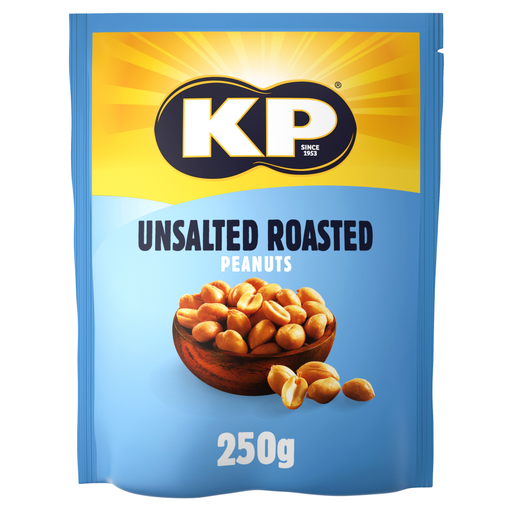
“Roasted” describes preparation, not whether salt or other seasoning has been added. KP lists an unsalted roasted peanut product separately from its salted options.
If you prefer unsalted nuts, choose a product explicitly labelled unsalted and check its current ingredients and nutrition panel.
These product lines illustrate different pack formats; a brand name alone does not establish the seasoning, portion format or allergens of a particular product.
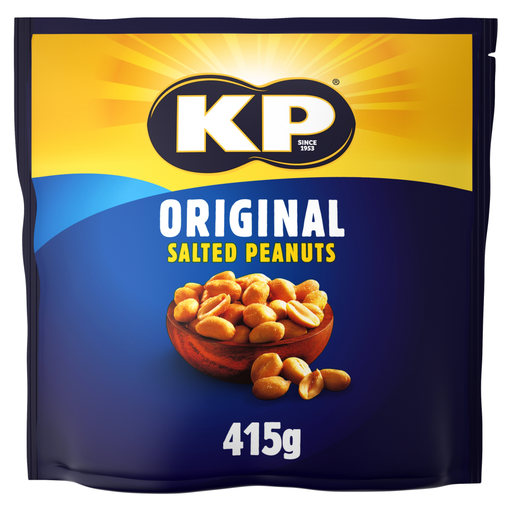
KP product listings include 415g salted peanuts, 5 x 30g salted snack packs and 250g unsalted roasted peanuts.
Tesco lists an own-label 550g bag of salted roasted peanuts that can be divided between office lunches.
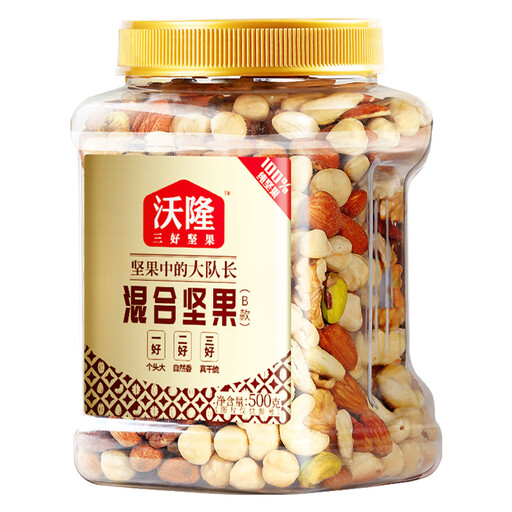
The listed 500g Daily Nuts can contains walnuts, cashews, almonds, pecans and macadamias.
These Joybuy options include larger packs to portion at home, a labelled unsalted peanut bag and a peanut multipack. Check each product’s format and ingredients against your lunch routine and workplace rules.
 No image available
A 500g tin of assorted nuts for lunches you portion into separate containers. Check the exact mixture and allergen label before taking it into a shared workplace.
 No image available
The explicitly unsalted 250g peanut pack suits a preference for that seasoning. It is a single pack, so set aside a portion for each lunch rather than expecting individual sachets.
 No image available
A 415g salted peanut pack for someone dividing nuts between several lunches. You will need separate containers for workday portions; choose the separately labelled unsalted product if that is your preference.
 No image available
The named 5 x 30g format is relevant if you want separate peanut portions for workdays. Check the product page and pack label for the exact seasoning and allergens.
 No image available
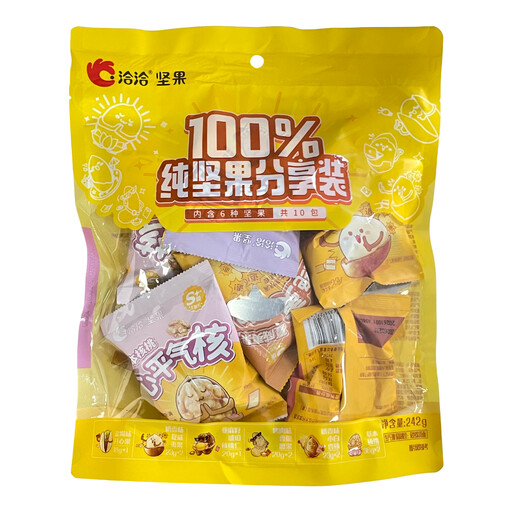
A 242g assorted-nut option if you want a mixture rather than peanuts alone. Check the pack for its portion format, seasonings and full allergen information before putting it in an office lunch.
Choose a product explicitly labelled unsalted if that is your preference. “Roasted” alone does not tell you whether a product contains salt, so check the ingredients and nutrition panel on the exact pack.
Check your workplace’s food-allergy or nut-free policy before taking peanuts in or sharing them. The Food Standards Agency distinguishes peanuts from tree nuts, and the ingredients and allergen statement on the exact product matter when you assess what is in the pack.
The Food Standards Agency says precautionary allergen labelling communicates that a regulated allergen could be unintentionally present. Read that wording alongside the ingredients and allergen statement on the exact pack rather than treating it as a list of intended ingredients.