Shoppers with a snack calorie target
A measured serving makes it easier to decide whether nuts fit the calories you have in mind. A sharing bag does not define how much you will eat.


Nuts are not a low-calorie shortcut: the British Heart Foundation puts a 30g portion at around 180–225kcal, depending on the nut. If you want nuts before training, measure a portion rather than eating from a large bag. For a snack 60–90 minutes before exercise, University College London Hospitals NHS Foundation Trust advises carbohydrate and protein with minimal fat, so nuts are better considered one small component alongside a carbohydrate food than the whole snack.
A measured serving makes it easier to decide whether nuts fit the calories you have in mind. A sharing bag does not define how much you will eat.
An individual pack gives you a stated serving to compare with a larger bag. Check its calories and salt per pack, rather than assuming a portable pack is low in either.
Snack timing and carbohydrate needs may depend on diabetes treatment and the exercise planned. Follow your individual clinical advice rather than treating a general nut choice as a substitute for it.
Start with the serving you would actually eat, then check its nutrition and how soon you plan to exercise. A portioned nut pack, a measured serving from a larger bag and a carbohydrate-focused snack answer different needs.
Consider it when: you want nuts to take with you and a serving defined by the pack.
Bear in mind: a defined portion still needs to fit your calorie target; check its salt and ingredients too.
Consider it when: you can prepare a small nut portion and want it as one part of a snack before training.
Bear in mind: University College London Hospitals NHS Foundation Trust advises carbohydrate and protein with minimal fat for a snack 60–90 minutes before exercise; nuts alone do not match that pattern.
Consider it when: you are eating shortly before activity and need to prioritise carbohydrate rather than a portion of nuts.
Bear in mind: University College London Hospitals NHS Foundation Trust discusses faster-acting carbohydrate close to exercise in glucose-management guidance; anyone managing glucose with medication should follow their individual plan.
| Priority | What to check | Your needs |
|---|---|---|
| Portion calories | Compare kcal for the stated serving and the amount you intend to eat. Weigh a portion from a larger bag or check the size of an individual pack. | I want to know whether one serving fits my snack target. The British Heart Foundation puts 30g of nuts at around 180–225kcal, depending on the type. |
| Timing and composition | Check how long remains before exercise and whether the snack includes carbohydrate. Consider the fat content if following guidance for a pre-training snack. | If I am eating 60–90 minutes before training, I want to plan the whole snack, not rely on nuts alone. University College London Hospitals NHS Foundation Trust advises carbohydrate and protein with minimal fat for that timing. |
| Pack format | Compare the nutrition per pack with the nutrition per 100g. Check whether the pack contains one serving or several. | A sealed serving is easier for me to take from work to training; with a larger bag, I can measure a portion before leaving. |
| Ingredients and salt | Read the ingredient list and compare salt and sugars for the serving you would eat. Check coatings and seasonings rather than relying on names such as “roasted”. | I would like to distinguish plain nuts from a seasoned snack. Tesco lists 0.48g salt in a 30g KP Dry Roasted Peanut Snack Pack, for example. |
| Allergens | Read the current ingredients, allergen declaration and any “may contain” statement on the exact pack, especially for mixes. | I need to check the nut types rather than treating them as interchangeable. The Food Standards Agency distinguishes peanuts, which are legumes, from tree nuts such as almonds and cashews. |
The British Heart Foundation puts a 30g portion of nuts at around 180–225kcal. Eating directly from a large bag makes the portion harder to judge.
Measure the amount you plan to eat or choose an individual pack, and compare its stated calories with your snack target.
University College London Hospitals NHS Foundation Trust advises carbohydrate and protein with minimal fat for a snack 60–90 minutes before exercise. A nut-only snack does not follow that combination.
If that timing applies to you, consider a small nut portion alongside a carbohydrate food. For glucose-management needs, follow your individual clinical plan.
Recipes vary: Tesco lists 0.48g salt per 30g KP Dry Roasted Peanut Snack Pack, while KP lists sunflower oil and salt in its Original Salted Peanuts.
Compare ingredients and nutrition for the amount you will eat, particularly when choosing between plain, salted and flavoured products.
The Food Standards Agency distinguishes peanuts from tree nuts. Mixes may contain several nut types, and allergen statements can include additional warnings.
Check the ingredients and allergen statement on the current pack every time; a product name alone is not enough for an allergy decision.
These examples show how pack size, recipe and stated nutrition can differ; they do not indicate which products are currently available on Joybuy.
KP offers both individual peanut snack packs and larger bags, making serving format an important part of the comparison.
Its flaked almonds provide an example of plain nuts that can be measured at home rather than bought as an individual snack pack.
The Tesco-listed Protein Nuts Mix combines peanuts, almonds and cashews, so check both its serving nutrition and its ingredients.
Natural Nut Medley is a whole-nut mix containing cashews, almonds, Brazil nuts, pecans and pistachios.
Tesco’s listings provide serving figures for the KP individual packs and Planters nut mix discussed here.
These peanut and almond products offer a choice between an individual 30g pack and larger bags that need portioning. Compare the current label for calories, ingredients and allergens; none should be assumed low-calorie simply because it contains nuts.
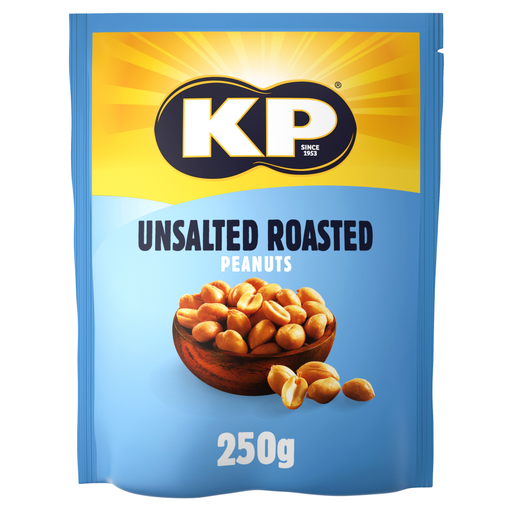 No image available
If you want unsalted roasted peanuts as one part of a pre-training snack, this 250g bag lets you set aside your own portion. Check calories for the amount you measure and read the current ingredients and allergen label.
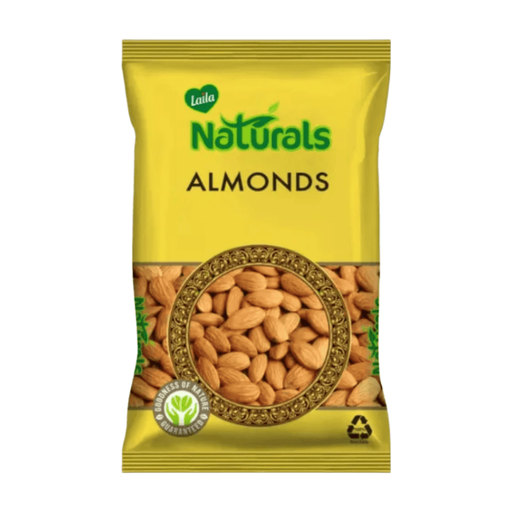 No image available
For a plain almond component, measure a serving from this 500g bag and plan any accompanying carbohydrate food separately. Joybuy lists almonds as the sole ingredient and 625kcal per 100g; check the current label and availability before buying.
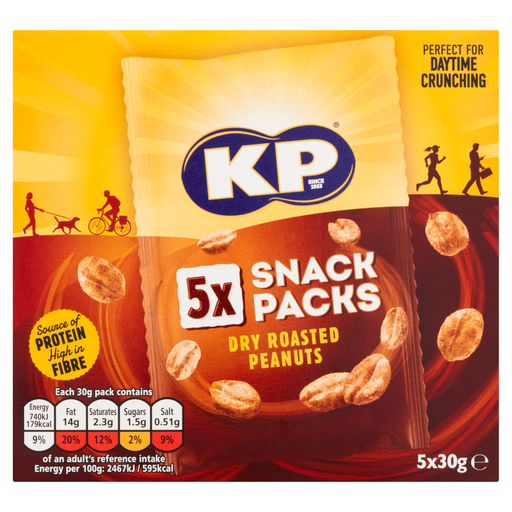 No image available
Five separate 30g packs give you a defined serving to take to training. Compare calories and salt per pack on the current label; the fixed pack size does not make the peanuts a low-calorie snack.
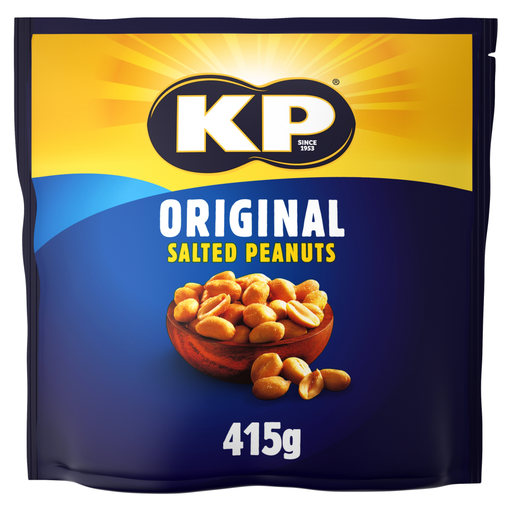 No image available
If you prefer salted peanuts, measure a portion from this 415g bag before comparing it with your snack calorie target. Check the current pack’s salt per serving and ingredients rather than treating a larger bag as one serving.
 No image available
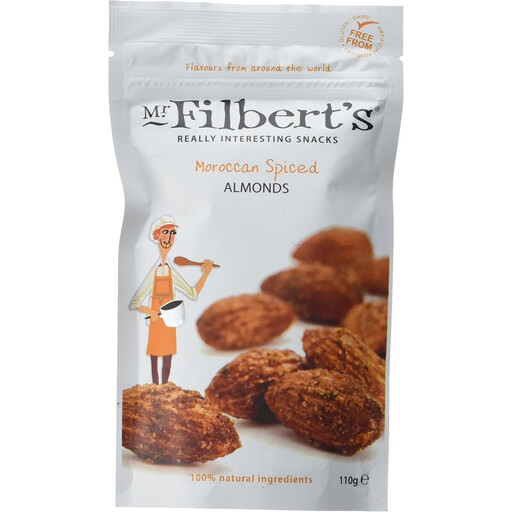
These spiced almonds offer a flavoured alternative if that is the recipe you want. The 100g bag is not an individual 30g serving, so measure your portion and check the current ingredients, calories, sugars, salt and allergen statement.
Generally, no. The British Heart Foundation says 30g of nuts contains around 180–225kcal, depending on the type. Measure a serving and compare its stated calories with your snack target instead of relying on a “natural” or “protein” description.
A small portion can be one component of a snack, but timing and the rest of the food matter. University College London Hospitals NHS Foundation Trust advises carbohydrate and protein with minimal fat for a snack 60–90 minutes before exercise when you have not eaten a meal for 2–3 hours. Its guidance discusses faster-acting carbohydrate closer to activity in a glucose-management context; follow your individual clinical plan if it applies to you.
Choose by comparing the ingredients and nutrition for the portion you will eat. The British Heart Foundation advises checking coatings, which can add calories, sugar and saturated fat; salted recipes also warrant a look at the salt figure. A plain recipe does not, by itself, make nuts low-calorie.
No. The Food Standards Agency identifies peanuts as legumes and distinguishes them from tree nuts such as almonds and cashews. Read the current pack’s ingredients, allergen declaration and any “may contain” statement, particularly for mixed products.
No; measure the amount you intend to eat. Joybuy lists Laila Almonds 500g at 625kcal per 100g, so the bag size alone cannot tell you the calories in your snack. Check current availability and the pack label before relying on it for a regular purchase.