Shoppers picking up a snack between meals
If you expect to eat one pack or one stated serving, its protein figure is more useful for that snack than the per-100g figure alone. Check the pack size as well as the nutrition panel.


Choose by the protein in the pack or serving you expect to eat, then compare per-100g figures, ingredients, salt and allergens on the exact product. Marks & Spencer lists 10g protein in its 30g Protein Packed Nut and Seed Mix; Tesco Jumbo Peanuts list 6.5g per 25g serving, and Sainsbury’s Pistachio Nuts list 7.4g per stated serving. These are different products and portion sizes, so a higher serving figure alone does not settle which pack suits you.
If you expect to eat one pack or one stated serving, its protein figure is more useful for that snack than the per-100g figure alone. Check the pack size as well as the nutrition panel.
A larger bag of peanuts or pistachios lets you choose your own portion. Use the product’s stated serving as a reference rather than treating the whole bag as one snack.
Read the ingredients and precautionary allergen statements on the exact pack. A nut-and-seed mix can contain ingredients beyond its named nuts, while a single-nut product can still carry warnings about other allergens.
Start with the portion you plan to eat, then use the rest of the label to distinguish products that may look similar on the shelf.
| Priority | What to check | Your needs |
|---|---|---|
| Protein in a portion | Read protein per pack or stated serving. Check that serving’s weight; use protein per 100g for a common comparison basis. | I want to know what I will get from the amount I actually eat, rather than comparing whole bags of different sizes. |
| Protein claims | Do not equate protein grams with an on-pack ‘high protein’ claim. For England, Scotland and Wales, the Department of Health and Social Care’s 2024 nutrition legislation sheet identifies the retained claims rules; the annex to Regulation (EC) No 1924/2006 sets the threshold at 20% of a food’s energy from protein. | A protein figure matters to me, but I do not want to assume every pack of nuts qualifies for a ‘high protein’ claim. |
| Allergens | Read the exact ingredients and emphasised allergens. Check precautionary statements, including any ‘may contain’ wording; the Food Standards Agency explains that these communicate possible unintended allergen presence. | If an allergy affects my choice, the named nut alone is not enough information to decide whether a pack is suitable. |
| Ingredients and salt | Distinguish plain nuts from mixes, coatings and seasonings. Compare salt on the chosen products’ labels using the same basis, such as per 100g or per serving. | I may prefer a short ingredient list or a particular flavour, so I need to check the actual variant rather than assume all roasted nuts are alike. |
That figure compares protein concentration, not the protein in the handful or snack pack you will eat.
Check the stated serving or pack figure first. If you buy a larger bag, decide on a portion before using its nutrition figures to assess your snack.
For England, Scotland and Wales, the Department of Health and Social Care’s 2024 guidance identifies retained nutrition-claims rules; the annex to Regulation (EC) No 1924/2006 requires at least 20% of a food’s energy to come from protein for a ‘high protein’ claim. Protein grams alone do not establish that percentage.
Check the claim and nutrition information on the exact product rather than transferring wording from another nut or mix.
Marks & Spencer’s Protein Packed Nut and Seed Mix includes soybeans, seeds, almonds and tamari. A different format or flavour can change the ingredients and salt shown on the label.
Read the ingredient list, salt figure and allergen information whenever you change product or variant.
The Food Standards Agency explains that precautionary allergen labelling communicates possible unintended allergen presence. Sainsbury’s warns that its Pistachio Nuts are not suitable for customers with an allergy to other nuts or sesame because of manufacturing methods.
If you have an allergy, follow the exact pack’s information and the individual medical advice you have received; do not judge suitability from the product name alone.
These product examples show why protein and ingredient information needs to be checked pack by pack; they do not describe every product in each range.
M&S lists a 30g Protein Packed Nut and Seed Mix alongside a wider roasted-nuts range.
Tesco lists plain peanuts as well as salted, dry-roasted and coated peanut products.
Sainsbury’s lists Pistachio Nuts with pistachio nut as the ingredient, as well as a separate roasted and salted in-shell product.
Tesco lists KP peanut products in dry-roasted, salted and unsalted formats.
Tesco’s Planters Protein Mix listing describes a blend of jumbo peanuts, redskin peanuts, almonds and cashews.
These Joybuy options include peanut, pistachio and cashew packs. For a top-up snack, check each pack’s protein per serving, ingredients and allergen information rather than treating its full bag weight as a serving.
 No image available
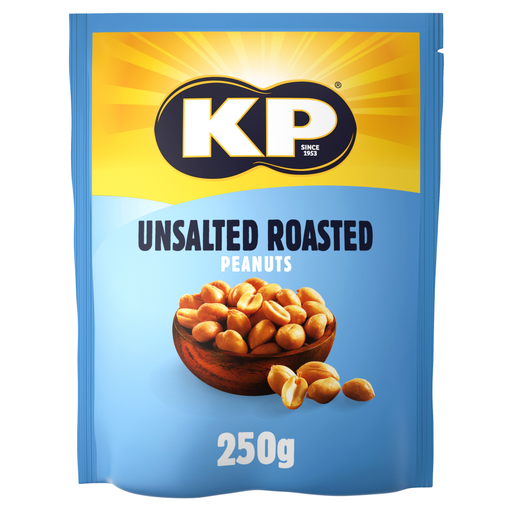
For a plain-peanut snack without a salted variant, this is a 250g bag to portion yourself. Check protein for the portion you choose and read the pack’s allergen information.
 No image available
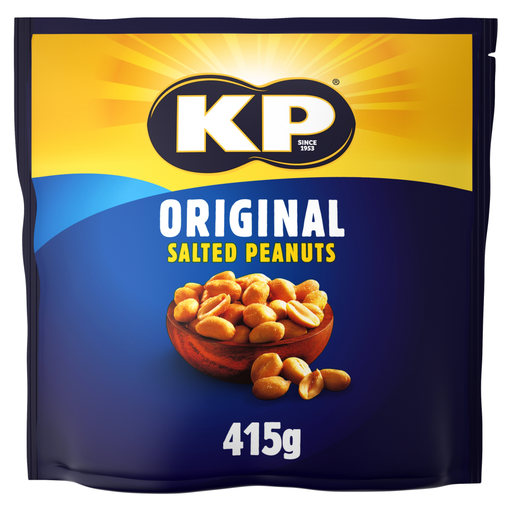
This salted peanut option comes in a 415g bag, so compare protein and salt for the portion you intend to eat. Check the label for the exact variant rather than using figures from an unsalted pack.
 No image available
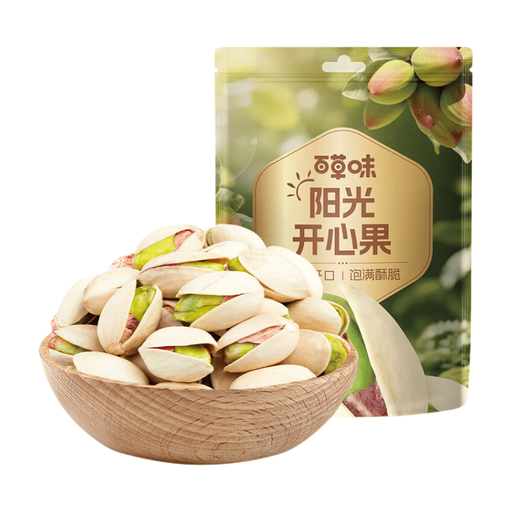
If you want pistachios rather than peanuts, this roasted and salted option comes in a 100g pack. Check its protein per serving, salt and allergen statements on the label.
 No image available
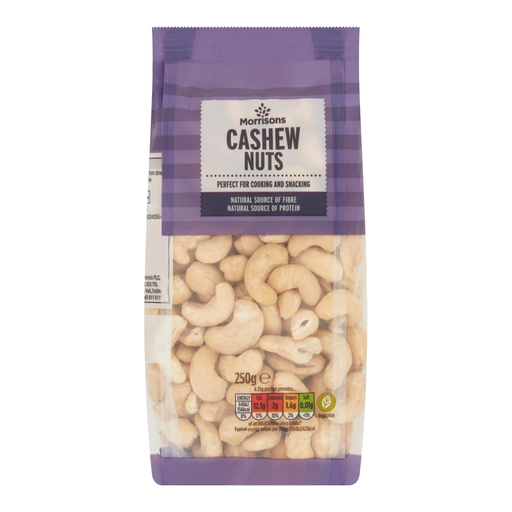
This 250g cashew pack is an alternative if you prefer cashews. Check the current label for protein in your chosen portion and for any precautionary allergen statements.
 No image available
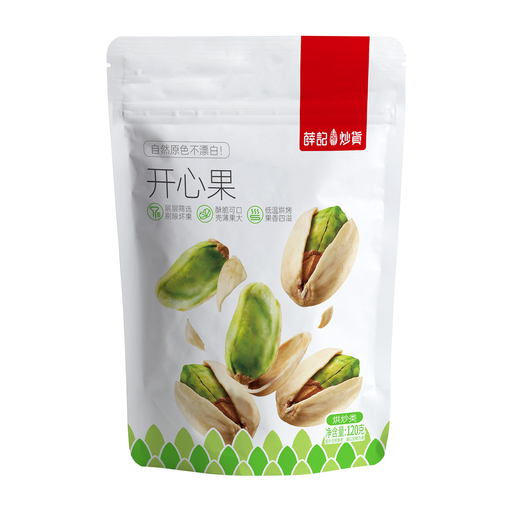
For another pistachio format, this lightly salted pack weighs 120g. Compare its labelled protein and salt on the same basis as any other pack you are considering, and check the allergen information.
Use the serving or pack figure to assess the snack you expect to eat, and the per-100g figure to compare products on the same weight basis. Marks & Spencer lists 10g protein in a 30g Protein Packed Nut and Seed Mix pack, while Tesco Jumbo Peanuts list 6.5g per 25g serving; the portions are not the same size.
For England, Scotland and Wales, the Department of Health and Social Care’s 2024 nutrition legislation sheet identifies retained nutrition-claims rules, and the annex to Regulation (EC) No 1924/2006 requires at least 20% of a food’s energy to come from protein for a ‘high protein’ claim. A product’s protein grams per serving do not, by themselves, establish that it meets this energy-based threshold.
No. Read the exact ingredients and precautionary statements: a mix may contain additional allergens, and Sainsbury’s says its Pistachio Nuts are not suitable for customers with an allergy to other nuts or sesame because of manufacturing methods. Follow the product label and your individual medical advice.
Products with protein figures can have substantially different compositions. Marks & Spencer’s Protein Packed Nut and Seed Mix lists soybeans, seeds, almonds and tamari, whereas Sainsbury’s Pistachio Nuts list pistachio nut as the ingredient. Check salt and allergens on each pack too.