Choose a measured portion rather than assuming a bag of nuts is one revision snack. Kent Community Health NHS Foundation Trust lists examples below 100 kcal, including 12 almonds at 80 kcal and 24 pistachios, or 15 g, at 90 kcal; these are guide values, so check the energy on the pack you buy. If salt matters too, compare the exact product’s salt information—an unsalted name does not tell you its calorie content.
Who is this for?
Students who snack while revising
If you want to plan the energy in a desk-side snack, count or weigh a portion before you start. Kent Community Health NHS Foundation Trust’s small nut-serving examples depend on specific counts and weights, not on eating freely from a bag.
Shoppers comparing salt as well as calories
Plain, salted and flavoured packs call for a look at the exact nutrition label. An unsalted product can help you choose by salt content, but you still need to check its energy per portion.
Households and study groups managing allergens
Check each pack’s ingredients and allergen statements before sharing. The Food Standards Agency distinguishes peanuts, which are legumes, from tree nuts; do not treat one type of nut snack as an automatic substitute for another.
What should you check?
Decide how much you intend to eat, then compare packs on that serving basis as well as per 100 g.
| Priority |
What to check |
Your needs |
| Portion energy |
Check kcal for the amount you will actually eat. Kent Community Health NHS Foundation Trust lists 12 almonds at 80 kcal, 24 pistachios or 15 g at 90 kcal, and 12 cashews at 90 kcal as guide portions; use the chosen pack for its exact value. |
I want a repeatable snack portion during revision, rather than estimating a handful each time. |
| Pack format |
Compare the pack size with your planned serving. If the bag holds several servings, count or weigh one into a separate container before taking it to your desk. |
A large bag is convenient to buy, but I would rather put one portion within reach while I work. |
| Comparable labels |
Read energy per 100 g alongside energy per stated serving. UK government nutrition-labelling guidance uses per 100 g as a comparison basis; serving sizes can differ between products. |
I want to compare two packs without mistaking a smaller manufacturer-defined serving for a lower-energy product. |
| Salt and ingredients |
Compare salt on the same serving basis or per 100 g, and read the ingredients of seasoned products. Where shown, traffic-light colours indicate whether the labelled amount is low, medium or high. |
If I am choosing between plain and salted peanuts, I want to know what each intended portion contains—not judge by the pack name alone. |
| Allergens |
Read the exact pack’s ingredients, contains statement and any may-contain statement, particularly for flavoured products or a shared study space. |
Before offering snacks to someone else, I need to know which allergens that particular product declares. |
Common buying mistakes
-
Calling nuts low calorie without naming a portion
Kent Community Health NHS Foundation Trust’s examples below 100 kcal use specific nut counts or weights. A larger handful is not the same serving.
Choose the product you want, then count or weigh a portion before revision. Check its pack label rather than applying a guide value to every roasted or flavoured version.
-
Ranking salt figures from different serving sizes
ASDA lists 0.36 g salt for a 30 g serving of KP Original Salted Peanuts and 0.25 g for a stated 1/16-pack serving of ASDA Salted Peanuts. Those serving descriptions alone do not make the figures a like-for-like product comparison.
Compare salt per 100 g, then calculate what the portion you intend to eat represents using the information on each pack.
-
Treating peanuts and tree nuts as interchangeable allergens
The Food Standards Agency distinguishes peanuts from tree nuts. An individual pack may also declare other ingredients or a may-contain warning.
Check the precise allergen wording on every pack, including a substituted product, and follow the relevant person’s allergy-management advice.
-
Taking a large pack to the desk without a portion plan
When a pack contains several intended snacks, eating directly from it makes the amount consumed harder to track.
Set aside the portion you plan to eat and follow the pack’s storage instructions for the remainder.
Brand and retailer references
These examples show the kinds of packs worth comparing; a brand name alone does not establish a calorie or salt level.
KP
KP appears in Tesco listings for unsalted and dry-roasted peanuts, providing different formats to compare.
- Tesco lists KP Unsalted Peanuts for shoppers looking for an unsalted peanut pack.
- ASDA lists KP Original Salted Peanuts at 185 kcal and 0.36 g salt per 30 g serving. Use that product’s figures for that product, not for every KP variety.
Tesco
Tesco’s nut listings include own-label unsalted mixed nuts as well as peanut products, allowing comparison across pack types.
- An unsalted listing gives you a starting point when comparing ingredients and salt.
- The category listing does not establish the calories in your chosen serving; check the exact product label.
ASDA
ASDA’s own-label Salted Peanuts come in a 500 g pack, which needs dividing if you intend to take one portion to your desk.
- ASDA lists 196 kcal and 0.25 g salt for its stated 1/16-pack serving, giving a defined basis for checking an intended portion.
- Check the current pack’s nutrition and allergen information rather than assuming the online listing remains unchanged.
Planters
ASDA lists a Planters Dry Roasted Peanuts product for shoppers considering a seasoned peanut snack.
- The dry-roasted format gives a specific product to compare with plain or unsalted peanuts.
- Read the current pack for energy, salt, ingredients and allergens before deciding whether it fits your planned snack.
Joybuy product options
These options include a chestnut pack alongside walnuts, pistachios and peanuts. Their pack sizes differ; decide on a serving and check the exact label rather than treating every pack as one snack.
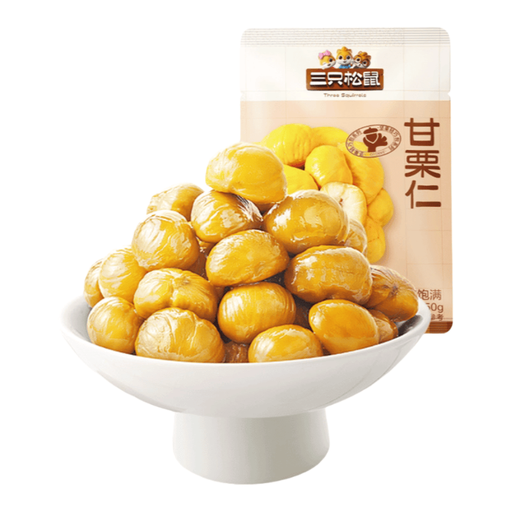 Image unavailable
Three Squirrels Light Pack Sweet Chestnut Kernels 50 g
The 50 g chestnut pack has a defined pack size for planning a desk-side snack. Check its labelled energy before deciding whether to eat the whole pack as one portion; do not apply the NHS almond or pistachio examples to chestnuts.
View on Joybuy
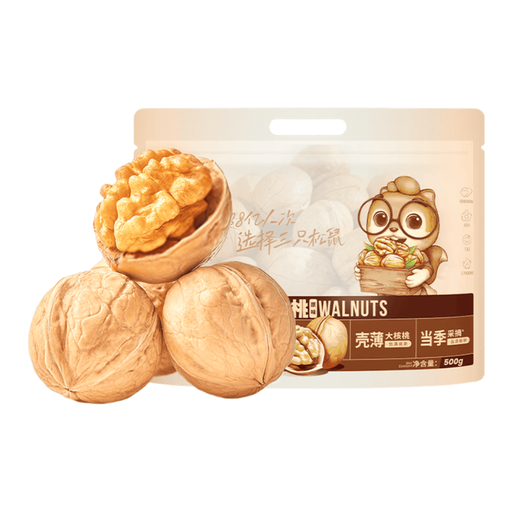 Image unavailable
Three Squirrels Paper-Shell Walnuts, Raw Whole Kernels 500 g
For a counted revision snack, set aside a serving from this 500 g pack of ready-to-eat walnut kernels. Use the pack label to work out the energy in the portion you choose.
View on Joybuy
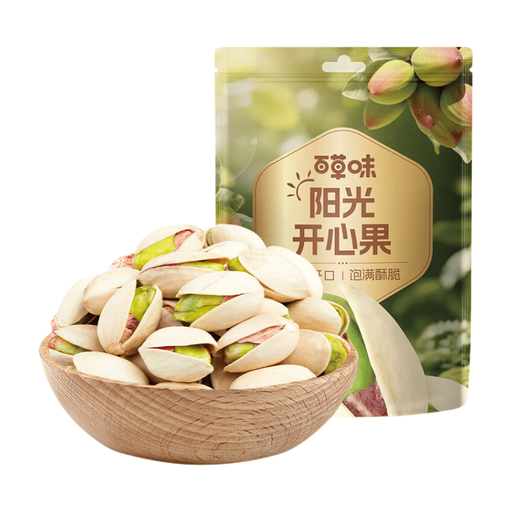 Image unavailable
BE&CHEERY Roasted and Salted Pistachios 100 g
This 100 g pack contains roasted, salted pistachios. Kent Community Health NHS Foundation Trust’s 90 kcal example is a much smaller 15 g pistachio portion; check this pack’s energy and salt for the amount you intend to eat.
View on Joybuy
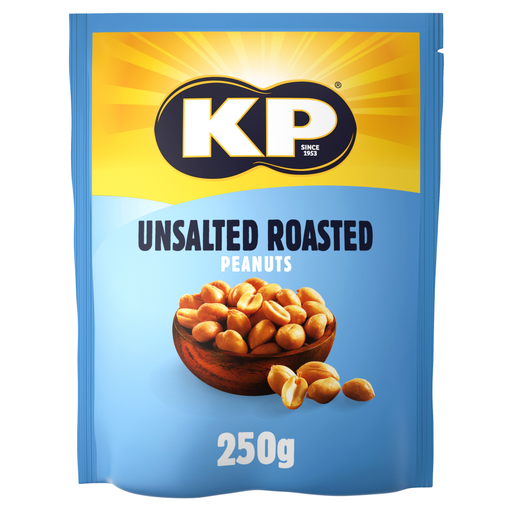 Image unavailable
KP Snacks Unsalted Roasted Peanuts 250 g
Choose these 250 g unsalted roasted peanuts if that format suits your salt comparison, then portion them separately for revision. Check the exact pack’s energy for your serving; unsalted does not mean lower in calories.
View on Joybuy
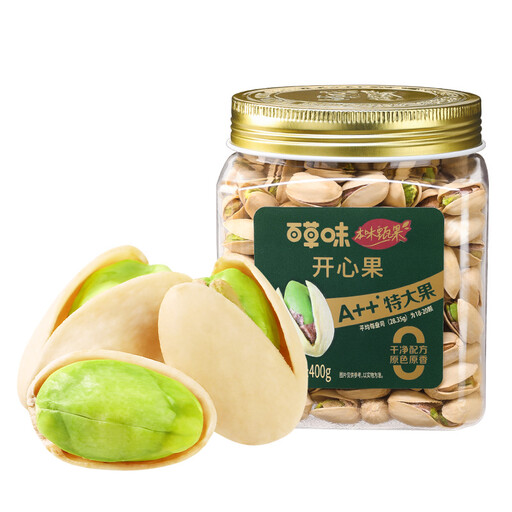 Image unavailable
BE&CHEERY Premium Pistachios 400 g
The 400 g pack is larger than a single counted revision snack. If you plan to use Kent Community Health NHS Foundation Trust’s 15 g pistachio example as a starting point, measure your portion and check this product’s energy, salt and ingredients on the label.
View on Joybuy
Questions about revision snacks
Are nuts a low-calorie revision snack?
Not automatically: the portion determines the energy in the snack. Kent Community Health NHS Foundation Trust lists 12 almonds at 80 kcal and 24 pistachios, or 15 g, at 90 kcal as guide examples. Check the chosen product’s label rather than applying those values to an unrestricted handful.
Should I compare calories per serving or per 100 g?
Use the serving figure to plan what you will eat and the per-100-g figure to compare packs with different stated serving sizes. UK government nutrition-labelling guidance uses per 100 g as a comparison basis; make sure the serving on the pack matches the amount you intend to take.
Do salted peanuts rule out a smaller-calorie snack?
Salted describes seasoning, not the energy in your chosen portion. Check calories and salt separately on the exact pack. ASDA lists KP Original Salted Peanuts at 185 kcal and 0.36 g salt per 30 g serving, illustrating why a stated serving may differ from the smaller snack portion you planned.
Can someone with a peanut allergy simply choose tree nuts instead?
Do not assume that substitution is suitable. The Food Standards Agency distinguishes peanuts from tree nuts, and individual packs can have relevant ingredient or may-contain statements. Check the exact product and follow the person’s allergy-management advice.
How should I use a large bag during revision week?
Put the portion you intend to eat into a separate container before you sit down, rather than taking the whole bag to your desk. Follow that pack’s instructions for storing what remains.


