
24/7 Customer Support

Free returns

Same-day & Next-day Delivery

Quality Guaranteed

Unlock Your Welcome Offers: FREE Delivery | Up to 80% OFF | Free 30-day JoyPlus trial
Download the APP
Buying nuts and seeds online can look simple until you compare ingredient lists, pack sizes, preparation requirements and storage instructions. A low-priced bag may contain added sugar or salt, while a larger pack may lose freshness before you use it. Some products are ready to eat; others are intended for cooking, roasting or grinding.
This guide explains the practical checks UK shoppers should make before choosing cashew nuts, roasted nuts, mixed nuts, chestnut kernels, pine nuts, pecan kernels, macadamia nuts, sesame seeds, fox nuts, makhana and peanuts.
A 500g or 600g pack may appear economical, but nuts contain natural oils and can develop stale flavours if opened for too long. Consider how frequently you will eat the product and whether the packaging can be sealed securely. Smaller packs may be more suitable for occasional snacks, lunchboxes or trying a new flavour.
Plain nuts and seeds are not the same as seasoned or flavoured varieties. Check whether the product contains salt, sugar, oil, syrup, flavourings or wheat. For example, flavoured pecans and coconut peanuts can be enjoyable ready-to-eat snacks, but they are different from unseasoned cooking ingredients.
Ready-to-eat chestnut kernels are convenient for snacking and baking, while roasted sesame seeds are intended as a garnish or recipe ingredient. A product may be safe to eat directly but still be better suited to a particular dish. Always follow the package directions, especially where a product states that further preparation is required.
UK food labels should identify major allergens clearly. Nuts, peanuts and sesame are important allergens, and products may also contain cereals containing gluten, milk or soya. Check the full label rather than relying only on the product title.
For example, plain cashews may list cashews as the only ingredient, whereas seasoned pecan kernels can include sugar, salt, syrup and flavourings. If you are buying for a household with allergies, also read any “may contain” statement and consider possible cross-contamination.
Nuts are energy-dense foods, so the nutrition panel is useful when comparing products. Morrisons Cashew Nuts 250g, for example, lists nutrition per 25g portion as 156 kcal, with 4.8g protein and 0.8g fibre. Treat these figures as label information rather than a health endorsement.
Check whether the pack is resealable, jarred, individually portioned or intended to be consumed soon after opening. Store nuts and seeds in a cool, dry place away from direct sunlight, and keep opened packs sealed. Products with higher oil content, such as macadamia nuts and pine nuts, benefit from careful storage.
Choose according to how you plan to use the product:
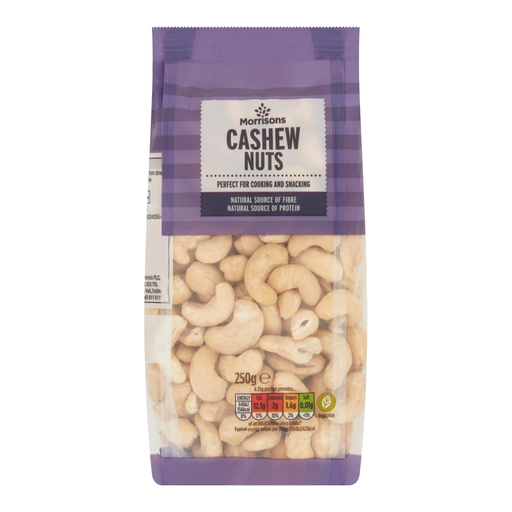
Why This Fits Their Persona: A moderate 250g pack suits shoppers trying cashews for cooking, snacking or adding to packed lunches without committing to a bulk quantity.
The pack size is easier to use before freshness becomes a concern, and the product description identifies it for both cooking and snacking.
250g quantity; suitable for vegetarians; listed as a natural source of fibre and protein.

Why This Fits Their Persona: The larger jar works for regular snackers, households and entertaining, with lightly salted cashews that can be served directly.
The ingredient list states cashews and salt, making the seasoning clear before purchase rather than hidden behind a flavour-led description.
500g jar; ready to eat; 99% cashews with salt listed separately.
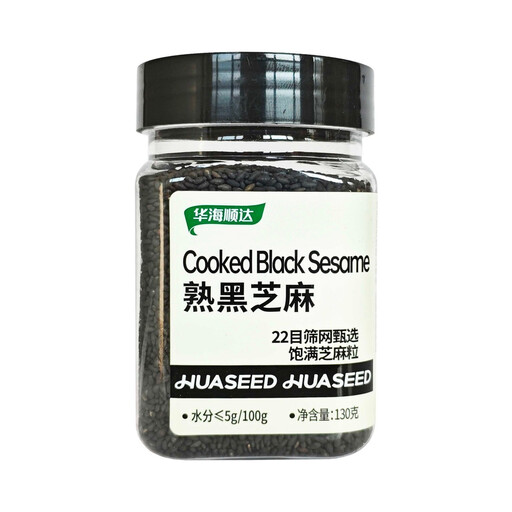
Why This Fits Their Persona: Useful for cooks making Asian-inspired dishes, noodle bowls, sushi, salads, rice dishes or baked goods regularly.
The product is identified as cooked black sesame at 100%, avoiding unnecessary sweeteners, oils or seasoning in a pantry ingredient.
130g bottle; roasted and ready to use; suitable for garnishing, sauces, desserts and baking.
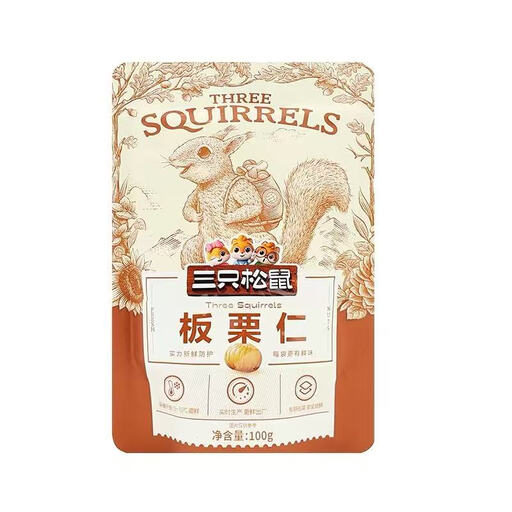
Why This Fits Their Persona: A compact pack of peeled chestnut kernels is practical for office breaks, travel, lunchboxes or a quick snack at home.
It removes the time-consuming shelling step and uses a 100% chestnut kernel ingredient list without added sugar or preservatives.
100g resealable pack; ready to eat; soft texture and naturally sweet flavour.
We have compiled a complete, real-time list of products that fully satisfy these strict selection criteria and UK safety regulations.
For healthy snacks, compare plain and seasoned options, check the serving information and choose a pack you can finish while it remains fresh. For vegetarian or vegan shoppers, inspect the complete ingredient list because flavour coatings may contain dairy or other ingredients.
For cooking, prioritise plain products such as sesame seeds, pine nuts, peanuts or unseasoned cashews. If convenience matters, ready-to-eat chestnut kernels and makhana remove preparation steps. When buying for entertaining, flavoured roasted nuts can add variety, but smaller packs may help you offer several flavours without leaving opened products unused.
They can form part of a balanced diet, but nutritional content varies considerably. Compare the label for energy, fat, saturates, sugar and salt, and consider portion size. Plain nuts and seeds generally have shorter ingredient lists than coated or flavoured products.
Keep the pack tightly sealed in a cool, dry cupboard away from sunlight and heat. Follow the product’s storage instructions and consume it within the recommended period after opening. If the smell, appearance or texture changes, do not eat it.
Yes. Chestnut kernels can be added to baking, desserts, soups and savoury dishes, while fox nuts or makhana can be mixed into cereals, yoghurt, salads and snack blends. Check the label first to confirm whether the product is plain, roasted or seasoned.