
24/7 Customer Support

Free returns

Same-day & Next-day Delivery

Quality Guaranteed

Unlock Your Welcome Offers: FREE Delivery | Up to 80% OFF | Free 30-day JoyPlus trial
Download the APP
Nuts and seeds snacks are convenient for work breaks, lunchboxes, entertaining and cooking. However, attractive packaging can make it difficult to compare what you are actually buying. A large bag may contain added sugar or salt, while a small pouch can offer poor value. Some products also require roasting or cooking, despite looking similar to ready-to-eat snacks.
This guide focuses on the practical details that matter when shopping for nut snacks UK customers can use at home, in the office or on the move.
A family-size nut pack is not automatically economical. Compare the price per 100g, not only the total pack price. A 700g bag may suit regular snackers or parties, while a 70g flavoured pack may be more suitable for occasional use but cost more per portion.
Also check whether the stated weight includes shells. Shell-on peanuts and sunflower seeds can create more waste and provide less edible product than shelled nuts or kernels.
Roasted nuts, salted nuts and flavoured nuts can have very different ingredient lists. Look for:
For example, a milk-flavoured macadamia product contains macadamia nuts, sugar, salt, flavour enhancers, sweeteners and flavouring. It may suit someone seeking a sweet-and-savoury snack, but it is not the same choice as plain nuts.
Raw peanuts are useful for cooking, baking, peanut butter and Asian recipes, but they must be cooked before eating. Ready-to-eat chestnuts, roasted pistachios and seasoned sunflower seeds require no additional preparation. Check the instructions carefully, particularly when buying ingredients for children or placing snacks in an office cupboard.
UK food labelling rules require allergens to be clearly identified, but shoppers should still read the full label. Common allergens in this category include peanuts, tree nuts, milk, soya and cereals containing gluten.
Products may also carry “may contain” information because of shared production facilities. This is important when buying cashew nuts, macadamia nuts, walnuts, pistachios or mixed seed products. Do not rely on a product title alone, and never assume that a product described as vegetarian or plant-based is suitable for someone with a nut allergy.
Some packs contain a desiccant or oxygen absorber to help protect freshness. These sachets must not be eaten.
Per-100g information makes products easier to compare. Nuts naturally tend to be energy-dense, so portion size matters even when a product has a simple ingredient list. Check:
A product with added seasoning may have substantially more salt than an unseasoned option. Flavoured snacks may also contain sweeteners or sugar. Use the nutrition panel to match the product with your own preferences rather than relying on terms such as “premium”, “wholesome” or “healthy”.
Choose packaging according to how quickly the product will be eaten. Individual packs are convenient for commuting, lunchboxes and portion control. Resealable bags are more practical for family use, parties and regular snacking.
Most nuts and seeds snacks should be stored in a cool, dry place away from direct sunlight. Once opened, reseal the pack or transfer loose nuts to an airtight container. Discard products with an unusual odour, visible mould or a damaged pack. For raw nuts bought in bulk, refrigeration can help with longer storage, but always follow the packaging instructions.
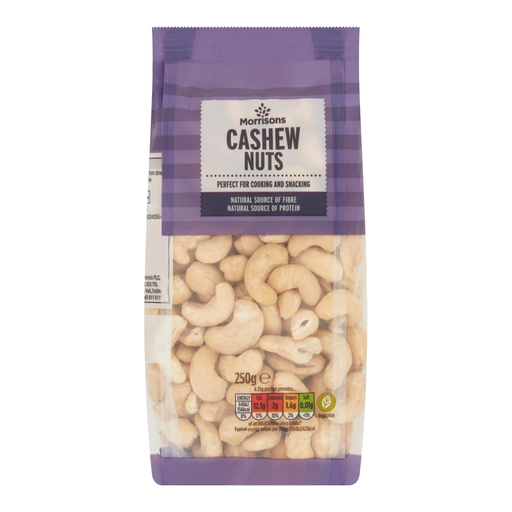
Why This Fits Their Persona: A manageable 250g pack suits shoppers trying cashew nuts for snacking or cooking without committing to a large quantity.
The product description identifies it as suitable for both cooking and snacking, while the nutrition panel provides values per 25g portion and per 100g.
Suitable for vegetarians; listed as a source of fibre and protein; useful in recipes or as a ready snack.
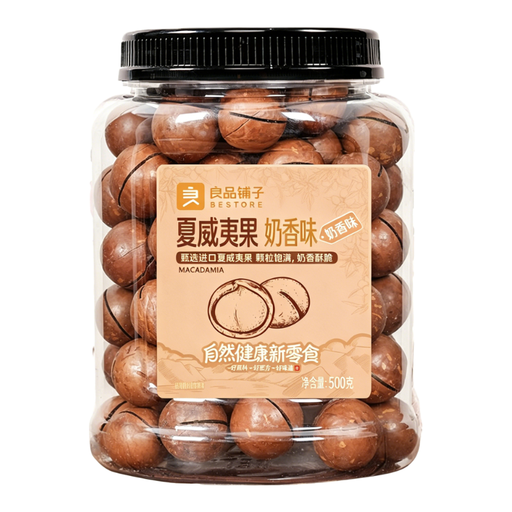
Why This Fits Their Persona: Designed for shoppers who prefer a richer, sweet-and-savoury flavour and a larger ready-to-eat pack for sharing.
The ingredient list clearly shows macadamia nuts at 98% or more, as well as sugar, salt, sweeteners and flavouring, so the flavour profile is transparent.
500g net weight; ready to eat; crisp macadamia texture. Contains aspartame, a source of phenylalanine, which should be noted before purchase.
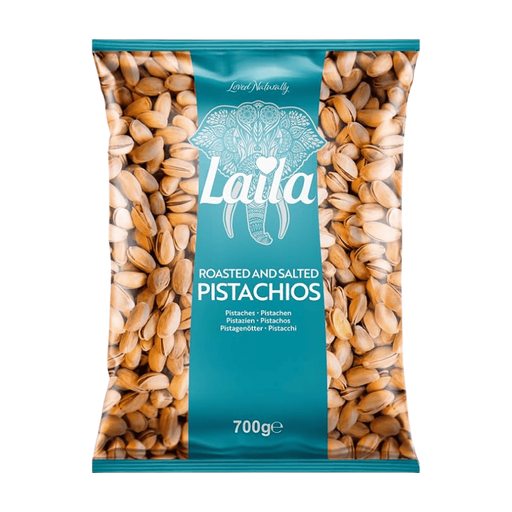
Why This Fits Their Persona: A large pack is suited to family cupboards, film nights, parties and frequent snackers who want roasted pistachios ready to serve.
It contains roasted pistachio nuts and salt, with no listed sweet coating. The resealable bag helps reduce exposure to air after opening.
700g family pack; roasted and ready to eat; resealable packaging; listed nutrition includes 49g fat, 21g protein and 1.3g salt per 100g.
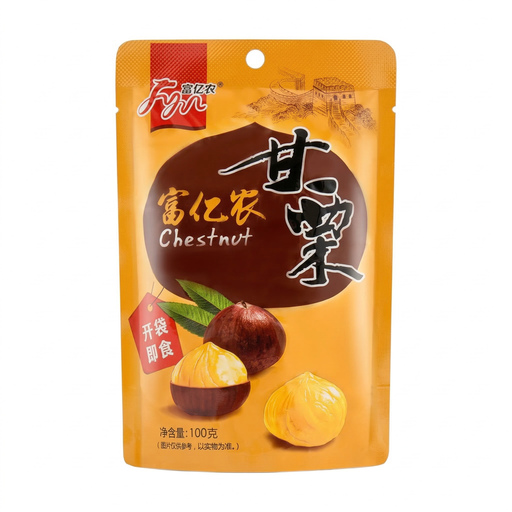
Why This Fits Their Persona: A compact option for commuters, office drawers and shoppers seeking a simple, soft-textured Asian snack without preparation.
The pack contains chestnuts only and is pre-cooked, peeled and vacuum-packed, avoiding the preparation issue associated with raw peanuts.
100g pack; ready to eat; 100% chestnuts; listed at 210 kcal and 5g dietary fibre per 100g.
For cooking, baking or Asian snacks, compare plain peanuts, walnuts, pumpkin seeds, sunflower seeds and shelled nuts by weight and preparation instructions. Raw peanuts can be boiled, roasted or fried at home, while walnut halves and peanut kernels can be added to cakes, stir-fries, sauces and salads.
If you want a sweet or savoury snack for sharing, consider roasted nuts or flavoured seeds in resealable packaging. For portion-controlled work snacks, smaller individual packs may reduce waste. Always check the latest product label, allergen statement and best-before information before eating.
We have compiled a complete, real-time list of products that fully satisfy these strict selection criteria and UK safety regulations.
Ready-to-eat products such as roasted pistachios, flavoured peanuts, chestnut kernels and sunflower seeds can be convenient for offices, journeys and lunchboxes. Choose sealed or resealable packaging, and check allergen information before sharing in communal settings.
Yes. Raw peanuts labelled “cooking required” should not be eaten directly. Follow the preparation instructions on the pack, such as roasting, boiling or frying. Ready-to-eat roasted peanuts and chestnuts do not require this additional step.
Keep them in a cool, dry place away from sunlight and moisture. Reseal the original bag or use an airtight container. Follow any product-specific instructions and consume promptly if the label recommends doing so.