Who is choosing refreshments?
The useful format depends on whether people take their own snack or you serve portions from a shared pack.
Hosts offering refreshments to attendees
If visitors will pick up food while moving around the sale, individual portions are easier to hand over. At a staffed table, a sharing pack is another option, provided you can manage serving and keep its label available.
Shoppers comparing protein claims
A bar called “Protein” and a serving of peanuts can contain different amounts of protein and energy. Read both figures for the same serving before deciding whether a claim on the current pack meets your purpose.
Hosts serving people with food allergies
Keep the current packaging where people can check ingredients and allergen statements. The Food Standards Agency distinguishes peanuts from tree nuts, so a general “contains nuts” description is not a substitute for the product’s specific information.
What should you check before buying?
Start with how the snacks will be handed out, then compare each pack’s serving information and label.
| Priority |
What to check |
Your needs |
| Serving format |
Check the number and size of portions, whether each has its own packaging, and how you would serve a larger pack. |
I need something people can take while browsing, or I can stay at the table and portion a shared snack. |
| Protein claim |
Compare protein and energy on the same per-serving basis. Under the Great Britain nutrition-claims framework described by legislation.gov.uk and GOV.UK, “high protein” requires at least 20% of a food’s energy to come from protein. |
A product name alone will not tell me whether the current pack qualifies for a high-protein claim. |
| Nutrition and storage |
Read energy, fat and salt per portion as well as protein. Tesco Groceries lists 9g protein, 179 kcal, 14g fat and 0.48g salt per 30g serving of its KP 415g reference pack; its listing says to consume the pack within 7 days of opening. |
If I offer a sharing pack, I want portions I can serve consistently and a plan for any opened pack. |
| Ingredients and allergens |
Check the exact pack’s ingredients and “may contain” statement. Keep that information available if food is removed from its packaging; peanuts and tree nuts need to be identified accurately. |
Visitors need to be able to check the snack they are actually offered, rather than guess from its appearance. |
| Supplying food |
Establish whether refreshments are private, occasional or part of a food-business activity. GOV.UK and Food Standards Agency event guidance for England, Wales and Northern Ireland says selling or supplying food can bring registration and allergen-information requirements into play; ask the relevant local authority about your arrangement. |
If I am supplying refreshments at the sale, I need to know what applies before I set up the table. |
Brand and product-line references
These examples show how pack format and nutrition can differ; check the particular product and current label rather than applying one product’s figures to a whole brand.
KP
KP dry-roasted peanuts appear in both a larger sharing format and a 30g snack-pack format.
- Tesco Groceries lists 9g protein per 30g serving of its KP Dry Roasted Peanuts 415g pack and identifies 13–14 servings in that pack.
- That Tesco-listed serving also contains 179 kcal, 14g fat and 0.48g salt. The product contains peanuts and may contain other allergens; retain the exact pack’s information when serving.
KIND
The KIND Protein Dark Chocolate Nut bar listed by Tesco Groceries offers a nut-and-chocolate bar format rather than loose peanuts.
- The Tesco listing identifies a 42g bar with 10g protein and mixed nuts making up 54% of the bar.
- The same bar has 225 kcal. Its protein contributes about 18% of that energy, so its name should not be taken as a high-protein claim; check its peanut, almond and other allergen information.
Planters
Planters describes an unsalted dry-roasted peanut product on its US product page.
- The US page describes the product as dry-roasted peanuts without added ingredients.
- Its US nutrition details do not establish the values or availability of a UK pack. Use the actual UK pack’s ingredients, nutrition and allergen statement for a purchase decision.
Joybuy options for the refreshment table
These options include portioned peanut packs, a larger reclose pack, peanut-flavoured bars and unsalted peanuts. Choose between them by serving format and the current pack information; a bar is not the same snack as plain nuts.
 No image available
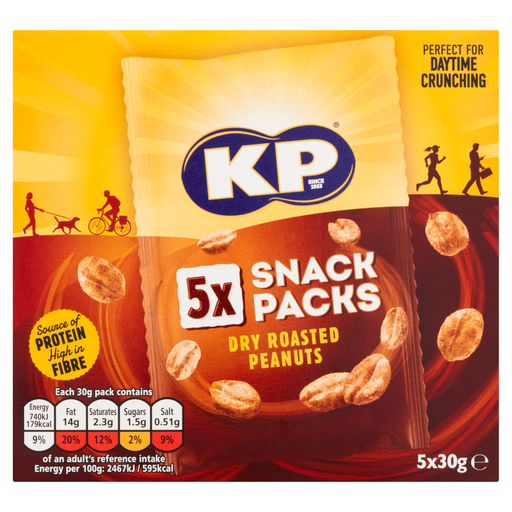
KP Snacks Dry Roasted Peanuts, 5 × 30g
The five 30g portions offer an alternative to measuring servings from a larger pack. Check whether each portion retains its own ingredient and allergen label before handing them out.
View on Joybuy
 No image available
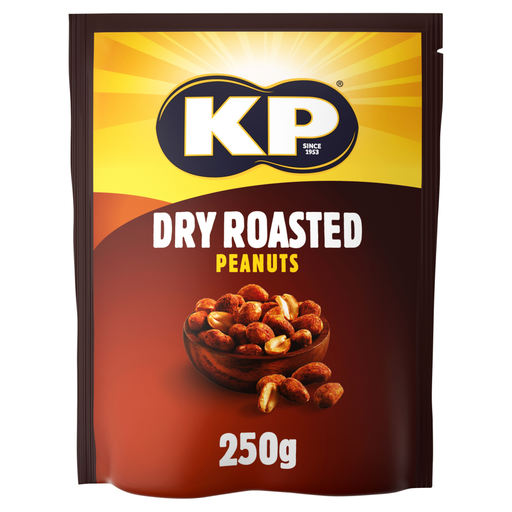
KP Dry Roasted Peanuts Reclose Pack, 250g
This 250g reclose pack suits a staffed table where you can portion peanuts and keep the original label available. Check this pack’s own serving and nutrition figures rather than using those of a different KP pack size.
View on Joybuy
 No image available
Grenade Soft Core Peanut Butter Protein Bars, 12 × 50g
This is a peanut-butter-flavoured protein bar option rather than a pack of plain nuts. The bundle contains twelve 50g bars; check the current ingredients, allergens and nutrition for this variant before offering it to visitors.
View on Joybuy
 No image available
Nature Valley Protein Peanut & Chocolate Bars, 4 × 40g
The four 40g peanut-and-chocolate bars are a bar-format choice for the refreshment table. Confirm the current pack’s wrapping, allergen statement and per-bar nutrition before distributing them.
View on Joybuy
 No image available
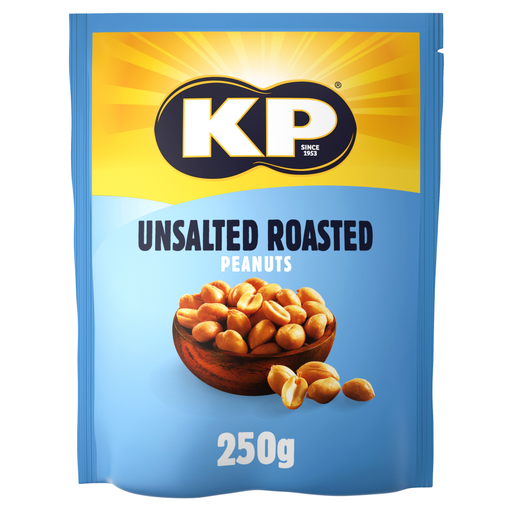
KP Snacks Unsalted Roasted Peanuts, 250g
This 250g unsalted peanut pack is another sharing format if you can manage portions and make its label available. “Unsalted” does not establish its protein-claim status; check the current pack’s nutrition figures if that matters to your choice.
View on Joybuy
Questions about nuts at a car boot sale
What does “high protein” mean on a food pack?
Under the Great Britain nutrition-claims framework described by legislation.gov.uk and GOV.UK, at least 20% of the food’s energy must come from protein for a “high protein” claim. Check the current pack: “source of protein” and the word “protein” in a name do not by themselves establish that it meets this threshold.
Should I bring a large nut pack or smaller portions?
Choose portions with their own labels if people will take snacks while browsing or you cannot oversee serving. A larger pack can work at a staffed table if you can portion it and keep the ingredient and allergen information available. Tesco Groceries lists 13–14 servings in its KP 415g reference pack and says to consume it within 7 days of opening; check the instructions on the pack you buy.
Are peanuts and tree nuts the same allergen?
No. The Food Standards Agency identifies peanuts as legumes and distinguishes them from tree nuts such as almonds and cashews. Check the current product’s full ingredient and allergen statement rather than assuming information about one also covers the other.
Do food-business rules apply if I give away or sell snacks?
They may. GOV.UK and Food Standards Agency event guidance for England, Wales and Northern Ireland says selling or supplying food can make an activity a food business requiring local-authority registration; very limited, infrequent activity may be assessed differently. Ask the relevant local authority about your particular arrangement, including food-information requirements.
What allergen information should I keep with refreshments?
Keep the current packaging available so people can check the food they are offered. For food businesses in England, Wales and Northern Ireland, GOV.UK and Food Standards Agency event guidance sets out ingredient and emphasised-allergen labelling for prepacked and prepacked-for-direct-sale food, and allergen-information requirements for non-prepacked food. How you package and supply the snacks affects which requirements apply.


