Snackers comparing protein
If you want nuts alongside dinner for their protein content, compare the amount per 100g rather than relying on a prominent claim on the front of a pack.


For a peanut snack alongside a savoury TV dinner, start with plain peanuts if you want protein while keeping added salt down; choose salted peanuts when seasoning matters more to you. Compare nutrition per 100g, decide how much to serve, and check the current pack for ingredients and allergens.
If you want nuts alongside dinner for their protein content, compare the amount per 100g rather than relying on a prominent claim on the front of a pack.
If dinner is already savoury, the difference between plain and salted peanuts may matter more to your choice than a small difference in their listed protein.
Check the exact pack’s ingredients and allergen statements, particularly when choosing between peanuts, cashews and products that may contain other nuts.
Start with protein and salt on the same per-100g basis, then consider the amount you intend to eat and the pack’s allergen information.
| Priority | What to check | Your needs |
|---|---|---|
| Protein | Compare protein per 100g alongside energy per 100g; the protein figure alone does not describe the whole snack. Sainsbury’s lists 29.3g protein per 100g for its Fairtrade Peanuts, while Marks & Spencer lists 30.7g for its Roasted and Salted Peanuts. | I want a peanut snack with a clearly stated protein amount, without choosing on the strength of front-of-pack wording alone. |
| Salt | Compare salt per 100g across the exact varieties. Sainsbury’s lists less than 0.01g for its Fairtrade Peanuts; Marks & Spencer lists 0.88g for its Roasted and Salted Peanuts, and Sainsbury’s lists 1.2g for KP Original Salted Peanuts. | With an already savoury dinner, I would rather choose a plainer snack than add more seasoning. |
| Portion | Check energy per 100g and the serving information on the current pack. The cited Sainsbury’s and Marks & Spencer peanut listings range from 598 to 625kcal per 100g. | A sharing bag is convenient, but I want to decide how much to put in a bowl before sitting down. |
| Allergens | Read the ingredients, highlighted allergens and any may-contain statements on the pack. Check for age or choking warnings when children may have access to the snack. | Someone in my household needs the allergen information for this particular product, not an assumption based on its name. |
Protein grams per 100g do not show how much of a snack’s energy comes from protein.
Read protein and energy together on the current nutrition panel when that distinction matters to your purchase.
In the cited retailer listings, Sainsbury’s Fairtrade Peanuts have less than 0.01g salt per 100g, compared with 1.2g for KP Original Salted Peanuts listed by Sainsbury’s.
If you want less salt alongside dinner, compare the exact varieties per 100g before choosing a flavour.
It can be harder to keep track of the amount eaten while watching television. The cited peanut listings show 598–625kcal per 100g.
Put the amount you intend to eat in a bowl and use the current pack to check its nutrition information.
The Food Standards Agency identifies peanuts as legumes; a product’s ingredients and may-contain statements can also identify other allergens.
Read the current pack for each product rather than relying on a previous purchase or the general description “nuts”.
KP’s Original Salted Peanuts provide a reference point for comparing a seasoned peanut snack with plain varieties.
The cited Marks & Spencer listings allow a direct look at its plain and salted peanut varieties.
Sainsbury’s Fairtrade Peanuts are a plain peanut reference for this dinner-snack choice.
Tesco Organic Cashew Nuts provide a cashew alternative to the cited peanut products.
These options include seasoned peanuts for a savoury TV-dinner snack and one cashew alternative. Check each current pack for the nutrition and allergen details that matter to you.
 No image available
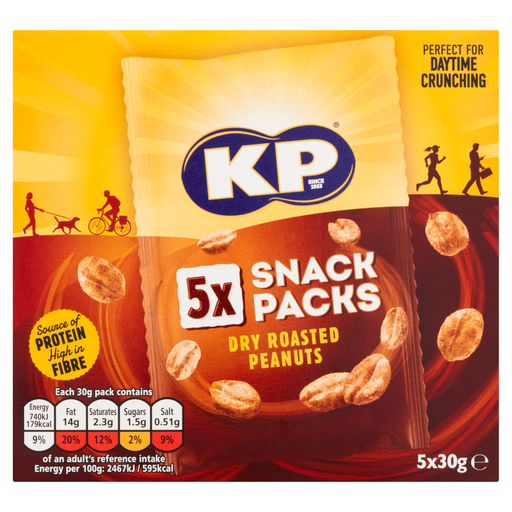
The five 30g packs give you separate servings for a TV-dinner snack. This is a seasoned peanut option; check its current salt and allergen information.
 No image available
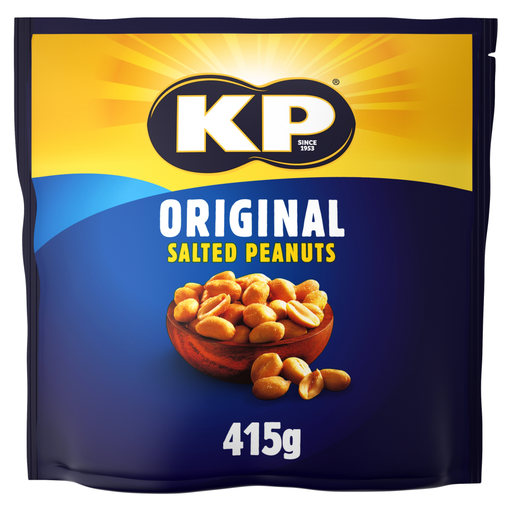
This 415g salted peanut bag suits a shared snack; serving some into a bowl makes the intended amount easier to see. Check the pack’s salt and allergen information.
 No image available
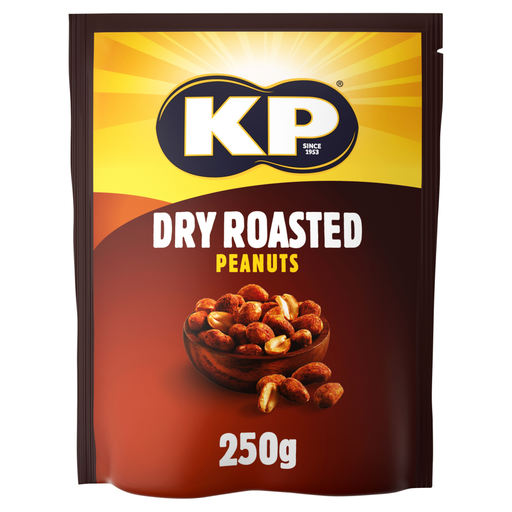
A 250g dry-roasted peanut pack for those choosing a seasoned snack rather than plain nuts. Compare its current salt information with other peanut varieties before buying.
 No image available
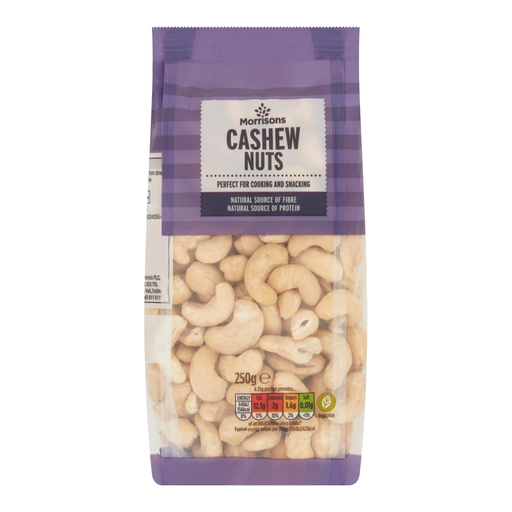
Choose these 250g cashews if you would prefer a different nut from peanuts. Compare their protein, salt and allergen information on the current pack rather than assuming they match the peanut examples.
 No image available
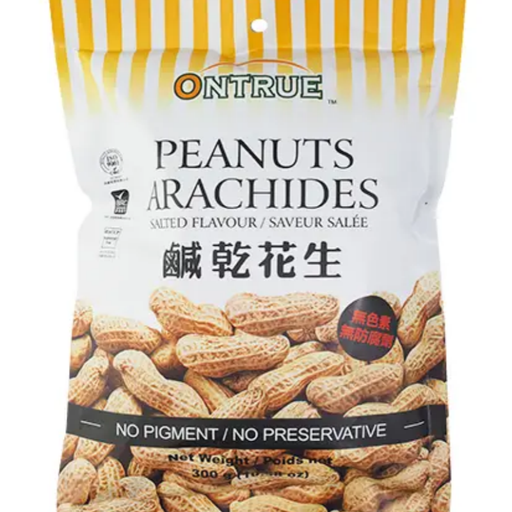
These 300g roasted and salted peanuts are another seasoned option for sharing. Compare the current pack’s salt per 100g with other varieties, especially if dinner is already savoury.
Not on its own. Protein per 100g tells you how much protein the product contains, but you also need its energy value to assess protein’s contribution to the snack overall. Check both figures and any claim on the current pack.
Choose plain peanuts if keeping added salt down matters more to you than seasoning. The cited Sainsbury’s Fairtrade Peanuts listing gives less than 0.01g salt per 100g, while Marks & Spencer’s Roasted and Salted Peanuts list 0.88g per 100g; check the exact packs you are comparing.
No. The Food Standards Agency identifies peanuts as legumes. Still read the exact product’s ingredient and may-contain statements, which may identify other nuts or allergens as well.