Shoppers comparing fat and calories
If you want nuts while cutting fat or calories, check the figures on the particular pack. Dry-roasted and unsalted describe preparation or seasoning, not a reduction in total fat.


For a TV-night snack, choose unsalted nuts if avoiding added salt matters most, but do not assume they contain less fat. If cutting total fat or calories is the priority, compare the nutrition panels and consider a measured portion or a different snack: Tesco lists KP Dry Roasted Peanuts at 47g fat and 594kcal per 100g, so dry roasting alone does not answer that need. Check coated nuts as a whole recipe too, rather than judging them by their fat figure alone.
If you want nuts while cutting fat or calories, check the figures on the particular pack. Dry-roasted and unsalted describe preparation or seasoning, not a reduction in total fat.
Unsalted nuts address a different priority from lower fat. Compare salt alongside fat and calories so that a change in seasoning is not mistaken for a change in the whole nutrition profile.
A multi-serving bag is easier to assess if you put the intended amount in a bowl. Check the exact pack’s allergen information before serving it to others, particularly when the snack contains mixed or flavoured ingredients.
Start with fat and calories per 100g when comparing products, then use each pack’s serving information to judge the amount you plan to put out for the programme.
| Priority | What to check | Your needs |
|---|---|---|
| Total fat and calories | Compare fat and kcal per 100g on the same basis, then check the stated serving. Tesco lists KP Dry Roasted Peanuts at 47g fat and 594kcal per 100g; “dry roasted” is not a substitute for the figures. | I want to cut fat or calories, not just change how the nuts are roasted. If a nut portion does not fit that aim, I can compare it with a different snack using its label. |
| Salt | Check salt per 100g and per serving, and whether salt is added. Tesco’s KP dry-roasted listing gives 0.60g salt per 30g serving. | For a savoury snack without added salt, I would look at unsalted options while still comparing their fat and calorie figures. |
| Portion size | Read the declared serving size and servings per pack. Tesco lists 178kcal and 14g fat for a 30g serving of KP Dry Roasted Peanuts. | A sharing bag suits the evening, but I want to put out a planned amount rather than keep eating from the pack. |
| Coatings and flavourings | Compare the nut percentage, ingredients, fat, carbohydrate and salt. Sainsbury’s lists one coated-peanut product as 49% peanuts, with 34g fat, 41g carbohydrate and 1.3g salt per 100g. | If I choose a coated snack for its flavour, I want to understand the whole recipe; a lower fat figure alone does not make it a like-for-like comparison with plain nuts. |
| Allergens | Read the ingredients and precautionary allergen statements on the exact pack. The Food Standards Agency distinguishes peanuts from tree nuts such as almonds, cashews and hazelnuts. | Before sharing a bowl, I need to check which nuts and other allergens are relevant to the people eating it. |
Dry-roasted peanuts can still contain substantial fat and calories: Tesco lists KP Dry Roasted Peanuts at 47g fat and 594kcal per 100g.
Compare fat, saturates, kcal and salt on the same per-100g basis rather than relying on the preparation name.
A coating changes what makes up 100g of the snack. Sainsbury’s coated-peanut example is 49% peanuts and also contains starch, sunflower oil and sugar.
Read the nut percentage, ingredients and full nutrition table before comparing it with plain peanuts.
Nutrition information for a stated serving is less useful if the amount eaten is hard to judge.
Put the intended portion in a bowl before watching and close the bag.
A mixed or flavoured snack may have other ingredients or precautionary allergen statements. The Food Standards Agency treats peanuts and tree nuts as distinct allergen categories.
Check the complete allergen information on the exact pack before serving it to anyone with an allergy.
These examples show what different product labels can tell you; a brand name or roasting style does not establish that a particular pack is reduced fat.
KP’s dry-roasted peanuts provide a reference for comparing a savoury peanut snack by its nutrition panel.
Tesco’s KP Dry Roasted Peanuts listing lets shoppers compare per-100g and per-serving figures.
M&S roasted and salted peanuts offer another labelled peanut format to compare.
A Sainsbury’s coated-peanut listing illustrates why the proportion of nuts matters when comparing snack formats.
Planters describes an unsalted dry-roasted peanut product on its US manufacturer page.
These options include chestnuts, portioned nut-and-fruit mix, unsalted peanuts and flavoured or salted nuts for a TV night. Compare the exact pack labels if fat, calories, salt or allergens determine your choice.
 No image available
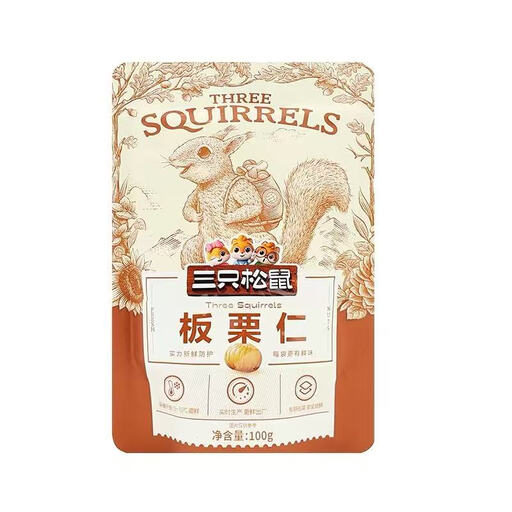
Chestnut kernels offer a different nut snack for a TV night; check this pack’s nutrition panel before comparing its fat and calories with peanuts or mixed nuts.
 No image available
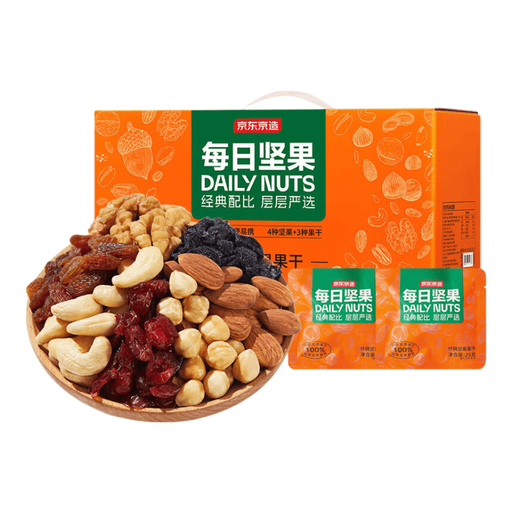
The separate sachets give a clear pack boundary for sharing or individual snacking. This is a nut-and-dried-fruit mix, so check its ingredients, allergens and nutrition panel rather than treating it as plain nuts.
 No image available
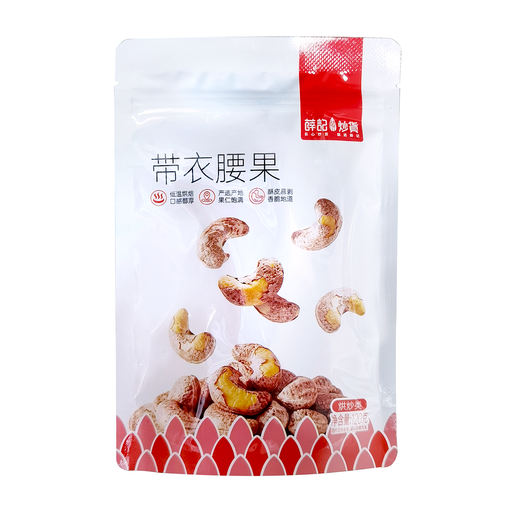
These salted cashews suit someone seeking a savoury nut snack, not someone assuming that a smaller pack or a different nut means less fat. Compare fat and salt on the pack and portion out the amount intended for the evening.
 No image available
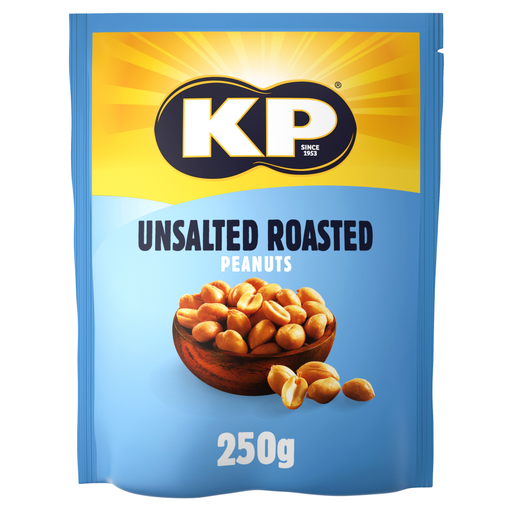
Unsalted roasted peanuts address a preference for no added salt, not necessarily a goal of cutting fat or calories. Check this pack’s nutrition panel and put out a portion rather than using the whole bag as one serving.
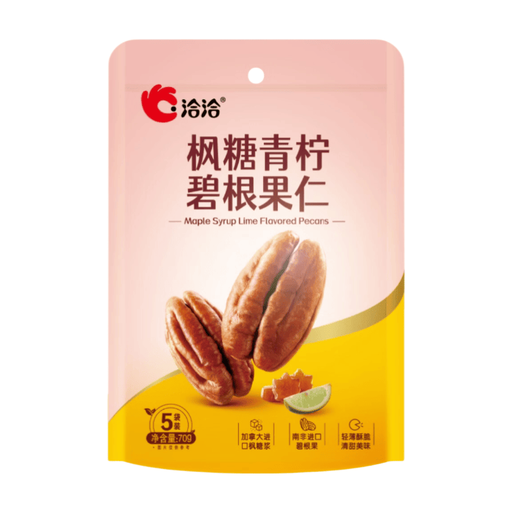 No image available
These flavoured pecans are an option when the named flavour appeals more than a plain nut snack. Check the ingredients and complete nutrition panel, including fat and sugar, before comparing them with unflavoured nuts.
Not automatically. Tesco lists KP Dry Roasted Peanuts at 47g fat and 594kcal per 100g. “Dry roasted” describes preparation; compare the fat figure on the product you are buying rather than treating the name as a reduced-fat claim.
Unsalted tells you about added salt, not how much fat the nuts contain. Compare total fat, saturates and kcal on the specific packs if those figures matter to your choice.
Part of the product may be coating rather than peanuts. Sainsbury’s lists one coated snack as 49% peanuts, with 34g fat, 41g carbohydrate and 1.3g salt per 100g. Read its ingredients and complete nutrition table before comparing it with plain peanuts.
Check the stated serving size, then put the amount you intend to eat into a bowl. Tesco lists 178kcal, 14g fat and 0.60g salt per 30g serving of KP Dry Roasted Peanuts, illustrating why the amount served matters alongside the per-100g figures.
Yes. The Food Standards Agency identifies peanuts and tree nuts as distinct allergen categories; tree nuts include almonds, cashews and hazelnuts. Check the exact pack’s ingredients and precautionary statements, especially for mixed or flavoured snacks.