Choose nuts as a measured snack only if the particular nuts or peanuts are safe for you; a nut product is not a nut-free alternative. University Hospitals Sussex NHS Foundation Trust suggests a small handful, about 30g, as a portion when trying to lose weight. If you also avoid gluten, milk, soya, sesame or another allergen, check the current pack’s ingredients and precautionary warnings for that exact product: neither “free from” nor “unsalted” answers every allergen question.
Who is this choice for?
People measuring their nut portions
If you can safely eat the product’s nuts or peanuts, compare its stated serving size and energy with the amount you intend to eat. University Hospitals Sussex NHS Foundation Trust gives a small handful of nuts, about 30g, as a portion guide when trying to lose weight.
Buyers avoiding another allergen
If you can eat a particular nut but avoid gluten, milk, soya or sesame, check that product’s current ingredients and precautionary wording. An unsalted or single-ingredient description does not settle a separate allergen requirement.
People who need a nut-free alternative
If your allergy requires you to avoid peanuts or particular tree nuts, do not treat a product containing them as a free-from snack. Choose an alternative compatible with your allergy advice and check its current label.
What should you check before choosing?
Identify the allergen you need to avoid before comparing portions, salt or nut varieties. If the nuts themselves conflict with your allergy requirements, move to a suitable alternative snack rather than trying to select a different nut flavour.
| Priority |
What to check |
Your needs |
| Exact allergen |
Read the current ingredients and any “may contain” or suitability warning. The Food Standards Agency explains that precautionary wording signals possible unintended allergen presence. |
I need to know whether this particular product fits the allergens I avoid. If peanuts or a named nut are unsafe for me, a product containing them is not an option. |
| Portion and energy |
Check energy alongside the pack’s serving size; do not compare a 25g serving directly with a 30g serving. University Hospitals Sussex NHS Foundation Trust suggests about 30g of nuts as a portion when trying to lose weight. |
A measured portion helps me account for what I eat, especially when the pack contains several servings. |
| Salt and flavour |
Compare the salt declaration for the exact product and serving basis. KP Nuts lists 1.3g salt per 100g for Original Salted Peanuts, while Asda lists less than 0.01g per 30g serving for KP Unsalted Peanuts; those are different variants and serving bases. |
I may prefer an unsalted option, but I still need to check its ingredients and allergen warnings separately. |
| Single nuts or a mix |
Identify every intentionally included nut and peanut, then check cross-contact wording. Sainsbury’s SO Organic Almonds list almonds as the ingredient but carry an other-nut and sesame warning; Tesco Unsalted Mixed Nuts list six nut and peanut ingredients and may contain other nuts. |
If I avoid a particular nut, a shorter ingredient list may be easier to assess, but it does not override a precautionary warning. |
Common buying mistakes
-
Taking “free from” to mean free from every allergen
A range may focus on gluten, wheat, milk or egg while an individual product still contains peanuts or tree nuts. Tesco’s Free From range, for example, covers several different exclusions.
Name the allergen you must avoid, then read the exact product’s current ingredients and precautionary statements. Do not choose a product containing the nut or peanut you need to avoid.
-
Using the brand name instead of the flavour label
KP Nuts lists 1.3g salt per 100g for Original Salted Peanuts; Asda lists less than 0.01g per 30g serving for KP Unsalted Peanuts. A salt comparison must account for both the variant and the different stated quantities.
Check the nutrition panel for the exact flavour, and assess its allergen information independently of its salt declaration.
-
Eating from a sharing pack without measuring
Pack serving sizes differ: Tesco lists 158 kcal per 25g for its Unsalted Mixed Nuts, while Sainsbury’s lists 197 kcal per 30g for its SO Organic Almonds. University Hospitals Sussex NHS Foundation Trust advises attention to portions when trying to lose weight.
Measure the amount you plan to eat and use that product’s stated serving size when reading its nutrition panel.
-
Assuming one ingredient rules out cross-contact
Sainsbury’s SO Organic Almonds list almonds as the ingredient, but Sainsbury’s says they are not suitable for customers with an allergy to other nuts or sesame because of manufacturing methods.
Read both the ingredient list and the current suitability or precautionary statement, even when the product appears to contain only one ingredient.
Brand and retailer label references
These examples illustrate why the exact product and its current pack matter; a brand or retailer name alone does not establish allergen suitability.
KP
KP has salted and unsalted peanut variants, so check the specific flavour rather than treating the range as one choice.
- Asda lists 186 kcal, 9g protein, 2.6g fibre and less than 0.01g salt per 30g serving of KP Unsalted Peanuts.
- The same Asda listing declares peanuts and warns that the unsalted product may contain soya, cereals containing gluten, milk and nuts.
Sainsbury's
Sainsbury’s SO Organic Almonds offer a single stated ingredient and a 30g nutrition serving for buyers who can safely eat almonds.
- Sainsbury’s lists 197 kcal, 8.7g protein and less than 0.01g salt per 30g serving.
- Sainsbury’s says this product is not suitable for customers with an allergy to other nuts or sesame because of manufacturing methods, and advises checking the pack as ingredients can change.
Tesco
Tesco has both a Free From range covering particular exclusions and a separate Unsalted Mixed Nuts product; neither label should stand in for an individual allergen check.
- Tesco lists less than 0.01g salt and 158 kcal per 25g serving of Unsalted Mixed Nuts.
- That mix contains almonds, peanuts, hazelnuts, Brazil nuts, cashews and walnuts, and Tesco says it may contain other nuts.
Asda
Asda’s KP Unsalted Peanuts listing is an example of checking serving-level nutrition alongside declared allergens.
- The listing states 186 kcal and less than 0.01g salt per 30g serving.
- It declares peanuts and may-contain warnings for soya, cereals containing gluten, milk and nuts; check the current pack before eating.
M&S
M&S provides pack-labelling guidance that is relevant when assessing a particular food’s allergen information.
- M&S says allergens present in its products are marked in bold in the ingredients list.
- M&S says its food preparation areas handle major allergens and it cannot guarantee that any of its food is allergen-free.
Joybuy nut options
These almond, chestnut and peanut products offer different ways to portion a nut snack or ingredient. Choose by the nuts you can eat and the current pack’s allergen information; the raw peanuts are an ingredient for preparation rather than an immediate snack.
 No image available
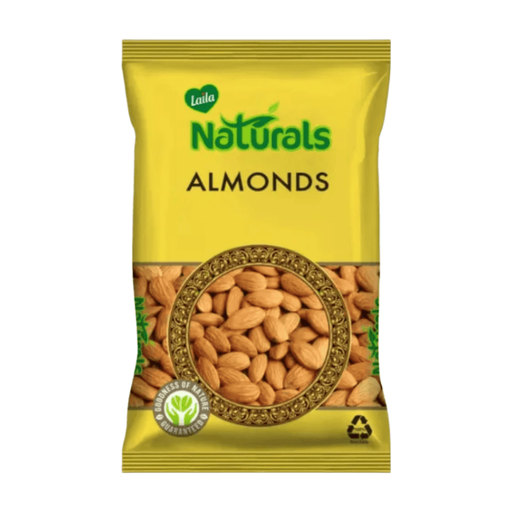
Laila Almonds 500g
An almond option to portion if almonds are safe for you. Check the current pack’s other-nut warning against your particular exclusions.
View on Joybuy
 No image available
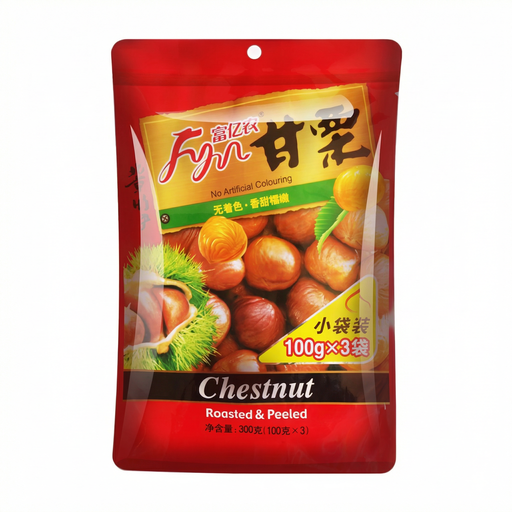
Fu Yi Nong Chestnuts 300g
A chestnut option for a measured snack if chestnuts are safe for you. Check the pack for ingredients and any additional allergen warnings.
View on Joybuy
 No image available
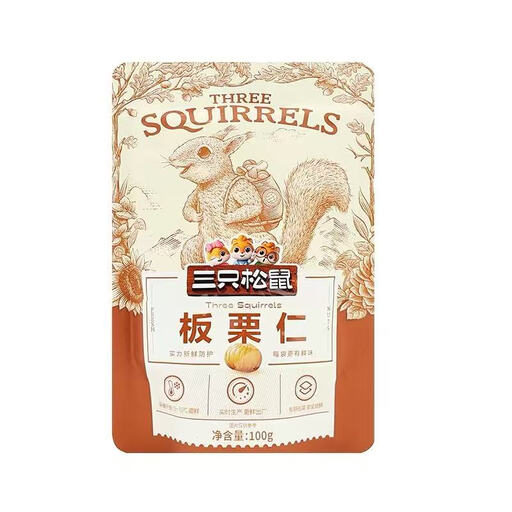
Three Squirrels Chestnut Kernels 100g
The 100g chestnut-kernel pack can be divided into measured portions if chestnuts are safe for you. Read its current allergen information for any other exclusions.
View on Joybuy
 No image available
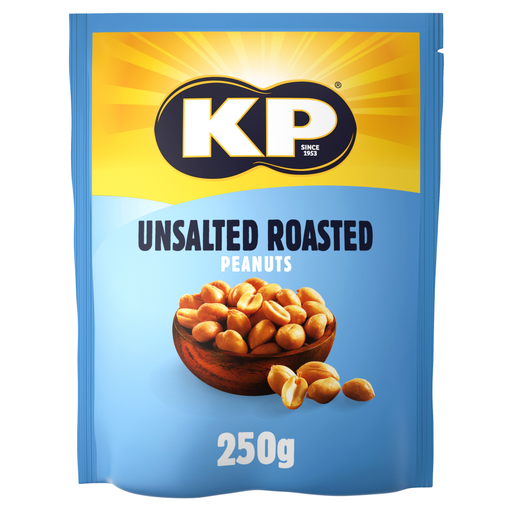
KP Snacks Unsalted Roasted Peanuts 250g
An unsalted roasted-peanut option for measured portions if peanuts are safe for you. Check the current pack for precautionary warnings about other allergens.
View on Joybuy
 No image available
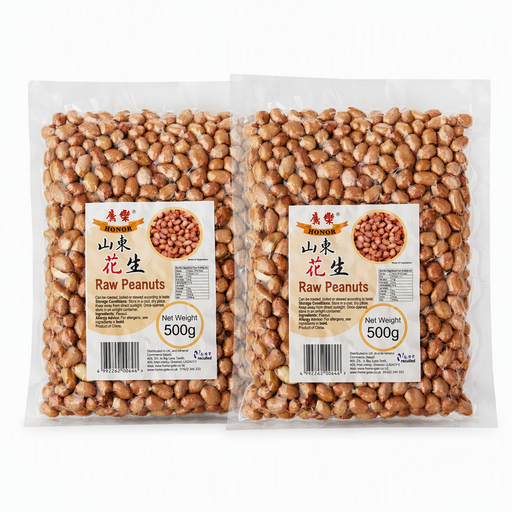
Honor Shandong Raw Peanuts 500g ×2
Raw peanuts for portioning in home cooking, rather than a ready-to-eat snack. Follow the pack’s preparation instructions and check its allergen information.
View on Joybuy
Questions about portions and allergens
Can I choose nuts when I need a nut-free snack?
No nut product is a suitable substitute for avoiding a nut it contains. GOV.UK identifies peanuts and nuts as separately regulated allergens; choose an alternative compatible with your specific allergy requirements and check its current label.
Does “unsalted” mean a nut product is free from gluten, milk, soya or sesame?
No. “Unsalted” describes the product’s seasoning, not its other allergen information. Asda’s KP Unsalted Peanuts listing warns of possible soya, cereals containing gluten and milk, while Sainsbury’s SO Organic Almonds carry an other-nut and sesame suitability warning. Check the current pack for the product you intend to eat.
What portion of nuts can I plan for when trying to lose weight?
University Hospitals Sussex NHS Foundation Trust suggests a small handful, about 30g, as a portion guide when trying to lose weight. Measure your portion and compare it with the particular pack’s nutrition serving; the guidance is not an individual calorie target.
What does “may contain” mean on a nut pack?
It flags possible unintended presence of the named allergen, not confirmation that it is absent. The Food Standards Agency describes “may contain” statements as precautionary allergen information; if a warning conflicts with your allergy requirements, do not assume that product is suitable.


