Families planning measured snacks
If several people snack from the same bag, decide on servings before putting it out. Check both the pack’s stated portion and its per-100g calorie figure so different pack sizes do not obscure the comparison.


For a large family shop, choose nuts you can portion before serving rather than assuming a plain or large pack is low in calories. Compare kcal per stated portion and per 100g; if salt matters to your household, check that separately, because an unsalted label does not tell you the calorie content.
The right pack depends on how the household will serve and use it, not just how many people it needs to feed.
If several people snack from the same bag, decide on servings before putting it out. Check both the pack’s stated portion and its per-100g calorie figure so different pack sizes do not obscure the comparison.
If savoury nuts are a regular cupboard item, compare the salt declaration on plain, unsalted and seasoned products. The ingredients list helps distinguish nuts alone from products with added oil or salt.
A mix, a single nut type or chopped nuts may suit different uses. Choose a quantity the household is likely to use, and check the exact pack’s storage and allergen information before sharing it.
Start with the serving you intend to put out, then compare nutrition and ingredients on the exact packs you are considering.
| Priority | What to check | Your needs |
|---|---|---|
| Portion size | Compare kcal per stated portion and per 100g. Tesco Groceries lists its Mixed Nuts 250G at 165 kcal per 25g and 658 kcal per 100g; those figures apply to that mix, not every plain nut pack. | I want to set out snacks for several people without relying on handfuls from a sharing bag. |
| Salt and ingredients | Read the salt declaration and ingredients list for each product. Where traffic-light labelling appears, Food Standards Agency guidance says its colours indicate low, medium or high levels of the nutrients shown, including salt. | We like savoury nuts, but I want to know when oil or salt has been added rather than judging by the product name. |
| Pack size and storage | Match the pack size to planned use, then check its instructions for storage after opening. A larger bag does not change the calories in a serving. | A pack needs to work for our snacks or recipes without leaving more opened nuts than we expect to use. |
| Sharing safely | Check the named allergens, any ‘may contain’ statement and age warnings on the exact pack. The Food Standards Agency distinguishes tree nuts from peanuts and explains that precautionary allergen wording signals possible unintended presence. | Before a family pack is shared, I need to know whether it is appropriate for everyone who might eat it. |
Plain ingredients do not make servings interchangeable. Tesco Groceries lists 165 kcal in a 25g serving of its Mixed Nuts 250G.
Choose the amount to serve before opening a sharing bag, and use the exact product’s calorie declaration when comparing portions.
Salted or flavoured products can have different ingredients and salt levels. KP states that its Original Salted Peanuts contain peanuts, sunflower oil and salt, with 1.3g salt per 100g.
Read the ingredients and compare kcal and salt per 100g as well as per stated serving. Use traffic-light information where the pack provides it.
A large pack may remain open while the household works through it, and its size can make unmeasured serving easier.
Choose a quantity that fits planned snacks or recipes, and follow the pack’s instructions for resealing and storage.
Mixed nuts can contain several tree nuts and carry precautionary peanut information. Whole nuts also require attention to warnings concerning small children.
Check the exact pack’s ingredients, allergen statements and age warnings before offering it to family members.
These brand and retailer examples illustrate different pack and ingredient choices; nutrition figures for one product should not be applied to an entire range.
Tesco Groceries lists plain single-nut and mixed-nut packs in several sizes.
M&S lists natural single-nut packs and nut medleys, including 150g and 750g formats.
KP lists salted peanuts in sharing sizes and a 5 x 30g multipack.
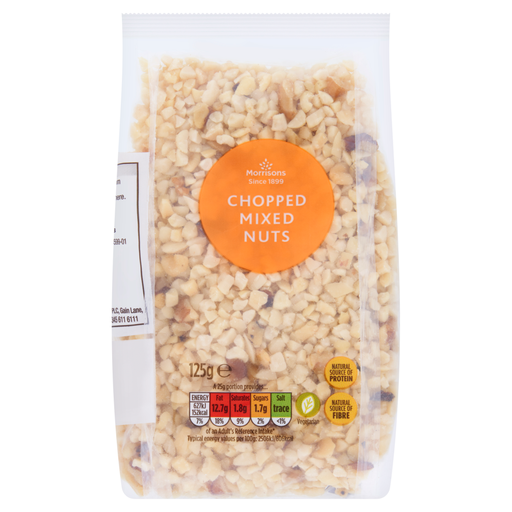
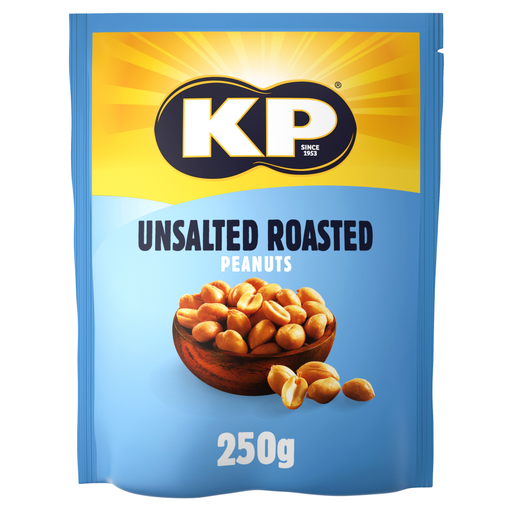
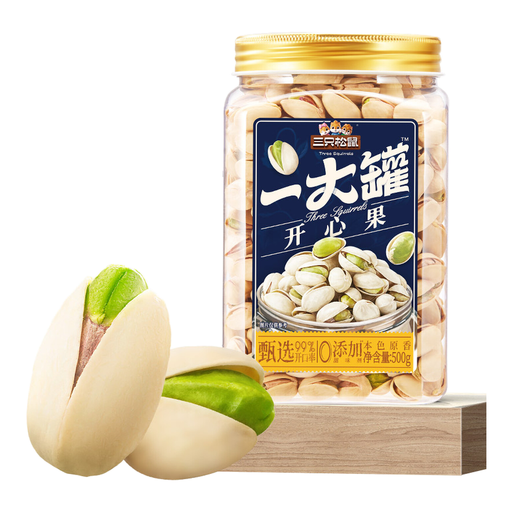
These packs include chopped mixed nuts, unsalted roasted peanuts and pistachios in different sizes. Compare each pack’s portion, salt, ingredients and allergen label against your household’s plans.
 No image available
Chopped nuts are an option to consider for recipes or toppings. Check whether the 125g pack covers your planned uses, and measure portions rather than treating the pack size as a serving.
 No image available
The 250g pack offers a single-nut option when the household wants unsalted peanuts. Unsalted does not specify the calorie content: compare the stated serving, ingredients and allergen label before sharing.
 No image available
For a household considering a 500g pistachio pack, decide how it will be portioned and stored after opening. Check the exact pack for kcal, salt, allergens and any age warning before sharing.
 No image available
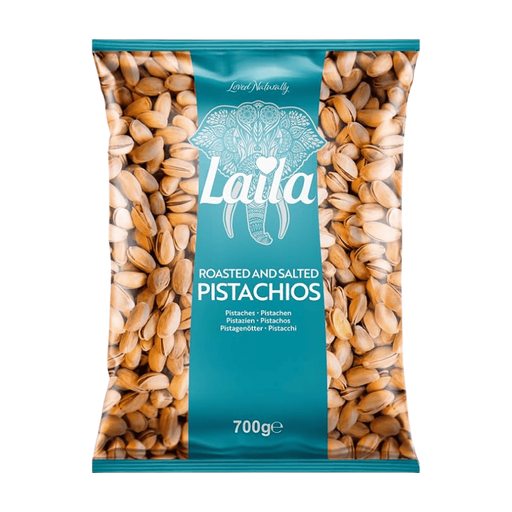
This 700g roasted and salted pack is a sharing option when that flavour is wanted. Check its own kcal and salt declarations rather than assuming a large bag provides small servings, and read the allergen information carefully.
 No image available
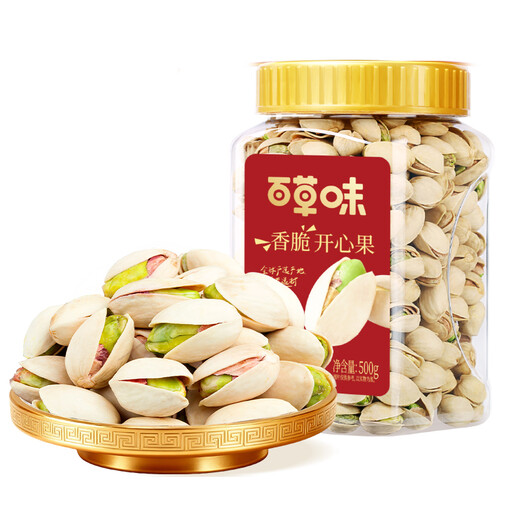
The 500g size may fit a plan for repeated family servings. Compare kcal and salt on this pack with other pistachios, and check its allergen and age warnings before serving.
Not automatically: the serving size matters. Tesco Groceries lists its Mixed Nuts 250G at 165 kcal per 25g and 658 kcal per 100g. Kent Community Health NHS Foundation Trust gives examples of smaller nut servings under 100 kcal, but notes that its figures are averages; check the exact pack for amounts.
If you want less added salt, compare the exact products rather than assuming their calories differ in the same way. Tesco Groceries lists less than 0.01g salt per 25g of its Mixed Nuts 250G, while KP lists 1.3g salt per 100g for Original Salted Peanuts; their different serving bases and nut mixes matter when comparing them.
Where it appears, traffic-light labelling shows low, medium or high levels of fat, saturates, sugars and salt using green, amber and red. Food Standards Agency guidance says it also displays calories and kilojoules. Read the portion and per-100g figures to understand the quantity behind the colours.
Check the exact product’s ingredients and precautionary statements before sharing it with anyone affected by an allergy. Tesco Mixed Nuts 250G contains several tree nuts and says it may contain peanuts and other nuts; the Food Standards Agency explains that peanuts and tree nuts are distinct allergens and that ‘may contain’ indicates possible unintended presence.
Do not assume a family pack is suitable for every age. Whole nuts can pose a choking risk to small children, so check and follow the warning on the exact pack before serving them.