Comparing protein in a small portion
If you want a compact snack, compare the protein listed for a pack or bar, not just per 100g. A mix containing nuts, seeds and other ingredients may differ considerably from plain nuts.


Choose a nut-and-seed mix if protein in a small savoury pack is your priority: M&S lists 10g in its 30g mix. Plain nuts offer a simpler format, while a nut-based bar gives you a defined portion for a gaming session. Whichever you prefer, compare protein for the portion you will eat, then check salt, sugars and allergens on the specific product.
If you want a compact snack, compare the protein listed for a pack or bar, not just per 100g. A mix containing nuts, seeds and other ingredients may differ considerably from plain nuts.
If you prefer whole nuts, compare the ingredients and salt on the exact pack. M&S lists cashews as the ingredient in its plain cashews, whereas its roasted peanut-and-cashew mix is a salted option.
A bar or small snack pack avoids serving loose nuts from a larger bag near a keyboard or controller. Bars can contain several ingredients, so compare their nutrition panels with those of whole-nut options.
Choose when: You want protein in a small savoury pack; M&S declares 10g per 30g pack for its Protein Packed Nut and Seed Mix.
Bear in mind: This is not a plain-nut snack. Its ingredients include soybeans, seeds and almonds, so check the full allergen statement.
Choose when: You favour a straightforward savoury snack and want to select the seasoning yourself; M&S lists only cashews as the ingredient in its plain cashews.
Bear in mind: Salt depends on the product: M&S declares 0.05g per 100g for plain cashews and 1.05g per 100g for its salted peanut-and-cashew mix.
Choose when: A defined portion is more convenient than an open bag during play; the Tesco-listed Pip & Nut bar provides 10.9g protein per 46g bar.
Bear in mind: Bars are multi-ingredient snacks. Tesco lists 9g sugars and 0.45g salt per 46g Pip & Nut bar, so read beyond the protein figure.
| Priority | What to check | Your needs |
|---|---|---|
| Protein and portion | Compare protein per 100g and per pack or bar. Check the pack weight before comparing single portions. | I want to know what the portion I will actually eat provides, not just how the products compare by weight. |
| Handling | Look at the pack size and whether you want a bar, a small snack pack or nuts served from a larger bag. Check whether a pack is resealable before relying on it for later. | A contained portion would be easier for me to manage beside a controller or keyboard. |
| Other nutrition | Read salt, sugars and saturates for comparable quantities, as well as protein. Check the ingredients to distinguish whole nuts from composite bars. | If I choose a sweeter bar or salted nuts, I want the full nutrition panel to inform that choice. |
| Allergens | Read the current ingredients and allergen statement for the exact product. Check warnings before sharing, particularly with mixes and bars containing several ingredients. | I need to know whether the snack is suitable for everyone who might eat it, rather than judging by its name or appearance. |
Nut-based bars can also contain chocolate, syrups or other ingredients. Sainsbury's lists 10g sugars and 5.6g saturates per 40g Eat Natural Protein Peanuts bar; Tesco lists 9g sugars per 46g Pip & Nut Protein Peanut Butter Bar.
Compare protein per bar alongside sugars, saturates, salt and ingredients before deciding which format you want.
That figure compares products by equal weight, but packs differ in size. M&S lists 10g protein in a 30g nut-and-seed mix pack, while its whole-nut products come in different pack sizes.
Check both the per-100g figure and the amount for the pack or portion you expect to eat.
The Food Standards Agency distinguishes peanuts from tree nuts such as cashews and almonds. Mixes and bars may list additional ingredients or suitability warnings.
Read the current pack's ingredients and allergen statement before buying or sharing, even if you recognise the brand.
M&S declares 0.05g salt per 100g for its plain cashews and 1.05g per 100g for its salted peanut-and-cashew mix. Tesco lists 0.45g salt per 46g Pip & Nut bar; those serving and per-100g figures are not directly interchangeable.
Use the same quantity basis when comparing products, then check the amount in the portion you plan to eat.
These examples show how formats and labels can differ; a brand name alone does not establish a snack's protein, salt or allergen profile.
Its cited products cover a nut-and-seed mix, plain cashews and a salted peanut-and-cashew mix.
Sainsbury's lists KP salted, dry-roasted and unsalted peanut options.
Its nuts listings include different types and pack formats, alongside the cited Eat Natural nut-based bar.
Tesco lists the cited Pip & Nut Protein Peanut Butter Bar in a three-bar multipack.
The cited Protein Peanut Butter Bar is a portioned, multi-ingredient nut-based snack.
These options include portioned peanut-flavoured bars and a larger pack of salted peanuts. If you are choosing between a desk-ready portion and nuts to serve separately, check the pack format as well as the current nutrition and allergen label.
 No image available
The 50g bar format gives you a defined portion for a gaming break; this pack contains 12 bars. Listed allergens include milk, soya and peanuts. Check the pack for its full ingredients and any polyol consumption warning.
 No image available
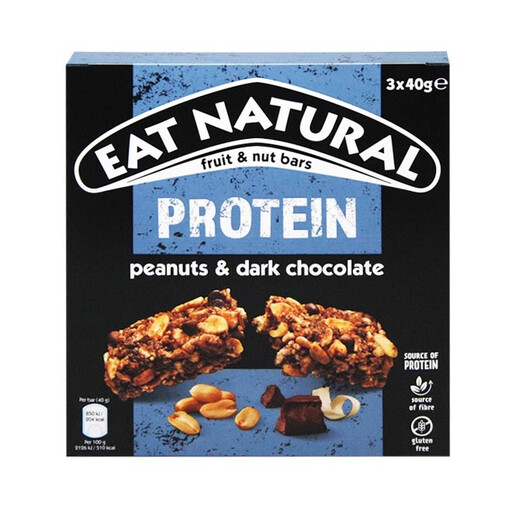
Three 40g bars offer separate portions instead of an open bag of nuts. This is a peanut-and-chocolate bar rather than plain nuts; listed allergens include peanuts, nuts, milk and soya. Compare sugars and protein per bar on the current pack.
 No image available
The pack contains four 40g peanut-and-chocolate bars, a defined portion format for a gaming break. Listed allergens include peanuts, soya and milk, with a warning about other nuts. Check sugars and salt alongside protein on the current label.
 No image available
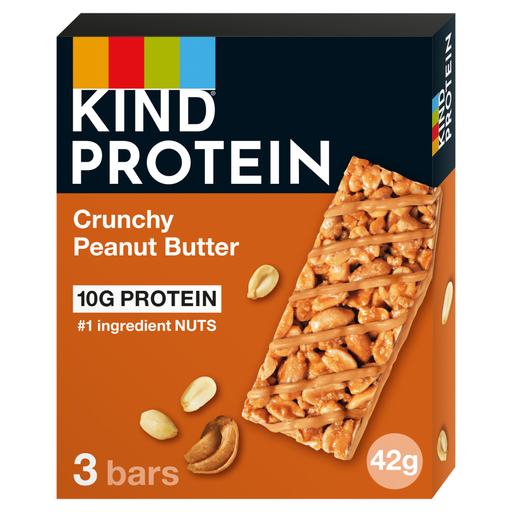
Three 42g bars provide separate portions for a desk snack. Listed allergens include peanuts and soya, with a warning about tree nuts. Read the current pack for protein and sugars per bar rather than treating it as equivalent to plain peanuts.
 No image available
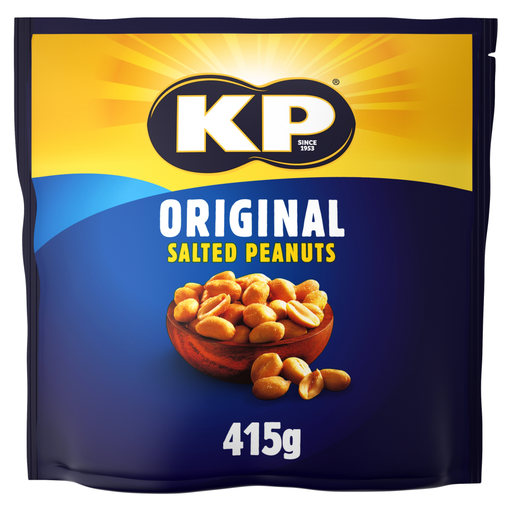
This 415g pack suits serving peanuts separately rather than taking a single bar-sized portion to the desk. They are salted peanuts, so check salt for the amount you intend to serve. Read the current pack for peanut, tree-nut and sesame allergy information.
No. Compare protein for the pack or bar you will eat, then check sugars, salt, ingredients and allergens. The protein description alone does not show how those other details differ between a mix, whole nuts and a bar.
No. The Food Standards Agency distinguishes peanuts from tree nuts such as cashews and almonds. Check the exact product's ingredients, allergen statement and suitability warnings rather than assuming one nut snack is interchangeable with another.
Read the current pack's ingredients and allergen statement before sharing. Nut-and-seed mixes and bars can contain ingredients beyond the nuts named on the front, so ask others to check the specific product before eating it.
Compare the same quantity of each product rather than relying on its description. M&S declares 0.05g salt per 100g for its plain cashews and 1.05g per 100g for its roasted salted peanut-and-cashew mix; check the current label for the pack you choose.