
24/7 Customer Support

Free returns

Same-day & Next-day Delivery

Quality Guaranteed

Unlock Your Welcome Offers: FREE Delivery | Up to 80% OFF | Free 30-day JoyPlus trial
Download the APP
An oakwood effect barrel planter can bring warmth and structure to a patio, entrance or compact garden without the weight and maintenance associated with genuine timber. However, attractive product photography does not always reveal whether a planter will suit your space, plants or local weather conditions.
Before buying, watch for three common pitfalls:
For a low-maintenance garden planter, recycled plastic is worth considering. Compared with untreated timber, it does not require regular wood preservative or paint. The reference oakwood-effect barrel planters are described as lightweight and weather-resistant, with resistance to rot, splitting and seasonal weathering.
That does not mean every plastic planter is identical. Check whether the listing specifies resistance to outdoor exposure, fading or moisture. For a sheltered patio, basic weather resistance may be sufficient. For an exposed UK garden, look for a finish described as UV-stable or fade-resistant, and position containers securely where strong winds are common.
The right size depends on both the plant and the location:
Measure the intended position before ordering, including clearance around doors, paths and garden furniture. Also consider the mature size of the plant rather than choosing a container only for its appearance at the time of purchase.
A lightweight garden planter is easier to move when changing seasonal displays or adjusting plants towards available sunlight. It can also be more manageable for entrances, decking and rented properties.
Light weight can reduce stability, particularly on exposed patios. Use a suitable potting mix, avoid placing a tall plant in a windy position and consider adding weight where the product design permits it. Do not block drainage openings, and raise the planter slightly from a surface if this is recommended by the manufacturer. A saucer can help protect decking and paving, although it should not leave the roots standing in water.
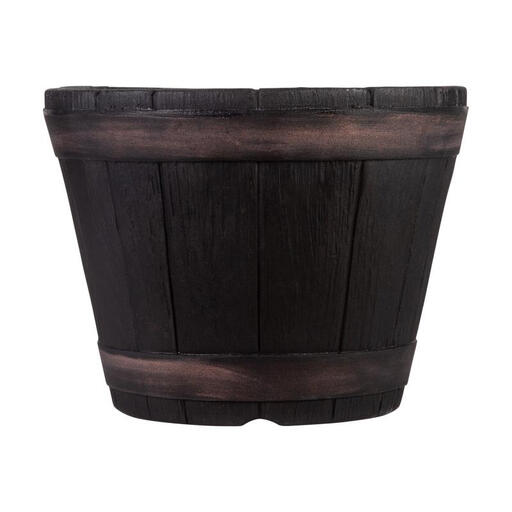
Why This Fits Their Persona: Its compact round format suits first-time container gardeners, small patios and front-door displays where a single rustic feature is needed without a bulky footprint.
The recycled-plastic construction provides a wood-effect appearance without the routine treatment associated with untreated timber. Its stated lightweight design also makes repositioning more manageable.
34cm diameter; recycled plastic; oakwood-effect finish; suitable for compact flowers, herbs and decorative planting.
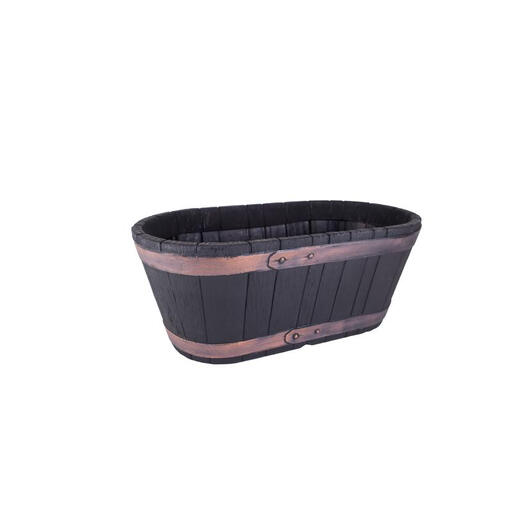
Why This Fits Their Persona: The elongated silhouette creates a more considered display for patios, decking, beneath windows or along a garden boundary, while retaining a timber-inspired finish.
Its trough format uses narrow horizontal space more efficiently than several round pots, while recycled plastic avoids the rot and splitting concerns associated with untreated wood.
60.5cm length; 34cm width; suitable for layered flowers, grasses, herbs and mixed seasonal displays.
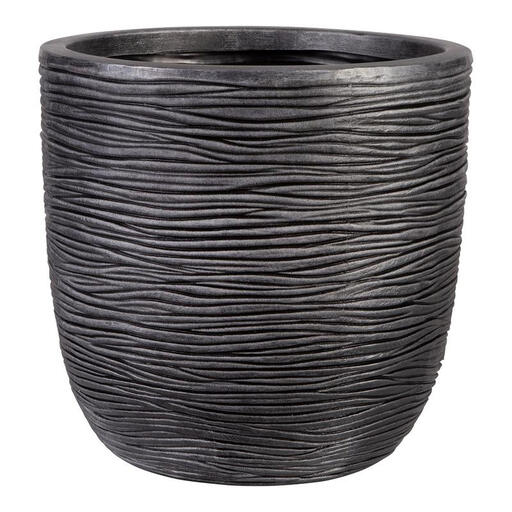
Why This Fits Their Persona: The taller 34cm profile is suited to shoppers seeking a compact statement container for an entrance, patio corner or structured foliage display, with a pewter finish for a less traditional look.
The product description specifies recycled plastic and outdoor durability, reducing the need for timber treatments. Its round footprint also avoids the wasted corners created by placing a trough in a tight space.
35cm diameter; 34cm height; recycled plastic; pewter finish; suitable for flowers, shrubs and decorative foliage.
Use a quality container compost suited to the plant, leaving sufficient room for watering. For a mixed planter for flowers and shrubs, check that all varieties prefer similar light and moisture levels. Trailing plants can soften the rim of a barrel trough planter, while upright grasses or evergreen foliage add height and structure.
Place an outdoor barrel planter on a level surface. On decking, use a protective base or saucer where suitable. In exposed locations, avoid tall top-heavy arrangements unless the planter can be stabilised. Although a lightweight container is convenient to move, it may need additional care during strong winds.
For a wood effect planter that stays outdoors throughout the seasons, wipe away dirt periodically and inspect drainage after heavy rain. Recycled plastic generally requires less maintenance than timber, but plants, compost and standing water still need routine attention.
We have compiled a complete, real-time list of products that fully satisfy these strict selection criteria and UK safety regulations.
Many recycled-plastic models are designed for outdoor use and may resist moisture, rot and seasonal weathering. Check the individual listing for weather resistance and UV-related information, then secure lightweight containers in exposed areas.
Plants generally need excess water to escape, but drainage arrangements vary by product. Check the product information before planting. If drainage holes are present, keep them clear; if not, follow the manufacturer’s guidance rather than drilling without confirmation.
They can reduce ongoing maintenance because they do not usually need wood stain, preservative or paint. However, the total cost also includes compost, plants, supports and any saucers or protective bases required for your location.