Shoppers replacing an everyday carton
If you want a spare for cereal, tea or cooking, check for long-life storage instructions, the carton size and how quickly you will use it once opened.


For an everyday cupboard top-up, choose an oat drink labelled UHT or long life and check how soon its carton must be used after opening. If the drink is mainly for lattes or cappuccinos, a barista carton with a stated foaming use is more relevant; whichever you choose, compare fortification and allergen information on the exact pack rather than assuming all oat drinks are alike.
If you want a spare for cereal, tea or cooking, check for long-life storage instructions, the carton size and how quickly you will use it once opened.
If lattes or cappuccinos are the main use, look for a product specifically described as foamable or barista-style. Do not assume a general-purpose carton will behave the same way in coffee.
Compare the exact carton’s added nutrients and full allergen statement. Plant-based drinks vary in nutrient composition, according to the UK Office for Health Improvement and Disparities, and an oat base alone does not establish gluten-free status.
Decide whether the carton needs to wait unopened in a cupboard, serve mainly as an everyday drink or froth for coffee. Then check the pack size and the details on the particular product.
Choose when: You want an unopened cupboard spare for general use, with fortification if that matters to you.
Bear in mind: Nutrients and ingredients vary by carton, and long life does not remove the need to refrigerate it after opening.
Choose when: Frothing oat drink for lattes or cappuccinos is the main reason for the top-up.
Bear in mind: Foaming descriptions apply to particular products, while pack sizes and nutrient details still need comparing.
Choose when: A short ingredient list matters more than keeping an unopened carton in the cupboard.
Bear in mind: M&S Only 3 Ingredients Oat Drink requires chilled storage and states that it is not fortified, so it serves a different top-up need from a UHT carton.
| Priority | What to check | Your needs |
|---|---|---|
| Storage | Look for UHT or long-life wording and the unopened storage instruction. Check refrigeration and the use-within period after opening. | I want a spare carton that can wait in a cupboard, but I also need to finish it within its stated period once opened. |
| Pack size | Check whether the listing is one 1L carton or a multipack, and whether its cartons suit your expected use. | For a single replacement, I would rather check the quantity than assume every top-up listing contains one carton. |
| Fortification | Compare the exact pack for added calcium, iodine and listed vitamins. A short ingredient list does not establish that a drink is fortified. | If oat drink regularly replaces cows’ milk in my shopping, I want to know which nutrients this particular carton lists. The UK Office for Health Improvement and Disparities notes considerable variation between plant-based drinks. |
| Coffee use | Look for product-specific barista, foamable or hot-drink instructions. Follow any preparation guidance on the carton. | When I am making lattes or cappuccinos, frothing is more relevant than it would be for a carton mainly used on cereal. |
| Gluten and allergens | Read the current gluten-free claim, ingredients and full allergen statement; do not infer suitability from the oat base. The UK Food Standards Agency defines gluten-free as no more than 20 mg/kg gluten in food sold to consumers. | I need the precise product label to address my gluten or allergy requirements, including its oat declaration and any additional cautions. |
| Sugars wording | Distinguish a no-added-sugars claim from the sugars figure in the nutrition panel; check the current carton for both. | If sugars information affects my choice, I want the panel figure rather than treating a front-of-pack phrase as meaning sugar-free. |
Long-life cartons are intended for storage before opening. Tesco Long Life Oat Original, for example, instructs shoppers to refrigerate it after opening and use it within five days.
Choose a carton size you can use within its own stated period, and note when you opened it.
The UK Office for Health Improvement and Disparities reports considerable variation in plant-based drink nutrients. M&S Only 3 Ingredients Oat Drink states that it is not fortified, whereas its Plant Kitchen Whole Oat Drink lists added calcium, iodine and vitamins.
Compare the nutrition and ingredient information on the exact carton if fortification matters to your purchase.
The Alpro Oat Original listing at Tesco says no sugars are added but also notes naturally occurring sugars.
Read the sugars figure in the nutrition panel alongside the wording on the front of the pack.
Gluten-free is a specific claim, not a property of every oat drink; oats may also need to be considered separately for an allergy.
Check the current carton’s gluten-free claim and complete allergen statement against your requirements.
These examples illustrate different carton types; the details apply to the named products, not every drink from each brand.
Tesco Long Life Oat Original is an everyday 1L UHT option for a cupboard top-up.
Alpro has a cited long-life everyday oat drink and a separate UHT barista product intended for coffee.
The cited Barista Edition is a long-life oat drink described as foamable for hot drinks.
Minor Figures Barista Oat is presented by the brand for lattes and cappuccinos and is labelled gluten-free.
Two cited M&S drinks show why fortification and storage should be checked separately.
These options cover everyday long-life oat drinks and cartons described for coffee. Most are multipacks; check the quantity if your top-up calls for just one carton.
 Image unavailable
An everyday long-life option for keeping unopened cartons in a cool, dry place before use. This is an eight-carton pack, rather than a single-carton top-up. The product description lists calcium, iodine and vitamins B2, B12 and D2, identifies oats containing gluten, and instructs shoppers to refrigerate each carton after opening and use it within five days.
 Image unavailable
A UHT everyday drink described for cool, dry storage before opening, supplied as eight 1L cartons. Its product details list calcium, iodine and vitamins B2, B12 and D2 and identify oats containing gluten. Refrigerate after opening and use within five days; if the sugars figure matters to your choice, check the current carton’s nutrition panel rather than relying on the product name.
 Image unavailable
This UHT barista drink is described as foamable for coffee, so its stated use fits a latte or cappuccino top-up. It comes as eight 1L cartons; the product details list calcium and vitamins B2 and D2 and identify oats containing gluten. Store unopened cartons in a cool, dry place, then refrigerate after opening and use within five days.
 Image unavailable
A coffee-focused long-life option described for steaming and frothing, sold as six 1L cartons. Its product description lists calcium, iodine and vitamins D2, B2 and B12 and identifies oats as an allergen. Keep unopened cartons in a cool, dry place; once opened, refrigerate and consume within seven days.
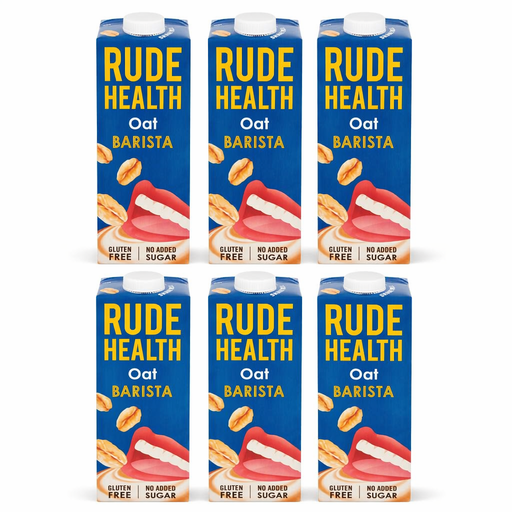 Image unavailable
This single 1L carton suits a top-up where a multipack would be too much. It is described for steaming or foaming in coffee and for pouring over cereal, with cool, dry storage before opening. The description identifies gluten-free oats; check the current pack’s claim and allergen statement if that is essential to your choice. Refrigerate after opening and use within five days.
Look for UHT or long-life wording and an instruction allowing storage in a cool, dry place before opening. Tesco Long Life Oat Original is one 1L example; also check the quantity when buying, since a listing may be for several cartons.
No: its unopened storage instruction does not apply once the seal is broken. Follow the exact carton’s directions; Tesco Long Life Oat Original, for example, calls for refrigeration after opening and use within five days.
No. The UK Office for Health Improvement and Disparities says plant-based drinks vary considerably in nutrient composition. Compare the exact carton for calcium, iodine and listed vitamins if fortification matters to your choice.
No. Check for a gluten-free claim on the exact product and read its full allergen statement. The UK Food Standards Agency defines gluten-free as no more than 20 mg/kg gluten in food sold to consumers; an oat base by itself does not establish that claim.
Follow the chosen carton’s hot-drink instructions. Tesco Long Life Oat Original advises adding the oat drink before the hot liquid and avoiding boiling water to reduce curdling; if frothing is your main aim, look for a product specifically described as foamable or barista-style.