What should you check first?
For a child’s meals, establish age and allergy suitability before comparing fortification, flavour and pack size.
| Priority | What to check | Your needs |
|---|
| Age suitability |
Check the stated age range and intended use. NHS guidance says breast milk or first infant formula remains the appropriate main milk source before age 1. |
If I’m choosing for a baby under 1, an oat drink must not replace their main milk drink. For an older child, I need to check the particular carton. |
| Regular dairy replacement |
Look for unsweetened status and added calcium, iodine, vitamin D and vitamin B12. NHS-linked clinical guidance describes fortified oat drinks as a second-choice plant alternative because they are lower in protein than its first-choice fortified soya or pea options. |
When oat drink is going into meals regularly instead of dairy, I care about more than whether the ingredient list is short. The child’s wider diet is part of that choice. |
| Taste and texture |
Read the product’s flavour and texture description, then try a small amount in a familiar recipe. The NHS advises offering unfamiliar foods again without pressure if they are rejected. |
A gentle introduction matters more to me than assuming that a carton described as mild will be accepted straight away. |
| Allergens and gluten |
Read the current ingredients, gluten-free wording and allergy warnings for the exact product. The Food Standards Agency says oats remain an allergen even in gluten-free products. |
If someone eating the meal has coeliac disease or an allergy, I need a product that fits their individual requirements, not a general claim about oat drinks. |
Oat drinks on Joybuy
These oat drinks include an age-positioned option and everyday or barista formats for trying in familiar meals. Check each carton against the eater’s age, dietary requirements and intended use; the selection is not a substitute for those checks.
 No image available
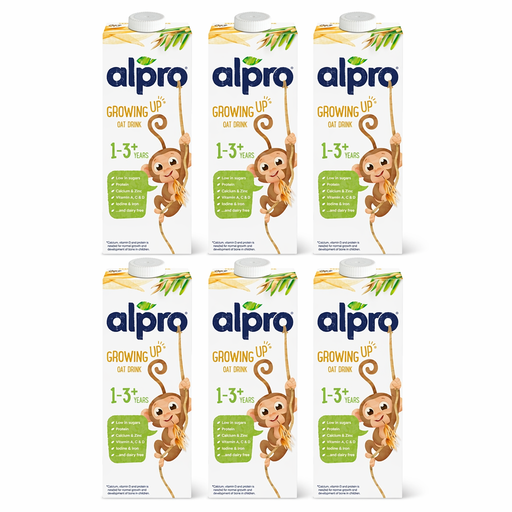
Alpro Oat Growing Up Drink, 6-pack
Positioned for ages 1–3, this is a carton to assess when oat drink will feature in a young child’s dairy-free meals. Check the current pack’s ingredients and allergy information, and try a small amount in a familiar meal before relying on the six-pack.
View on Joybuy
 No image available
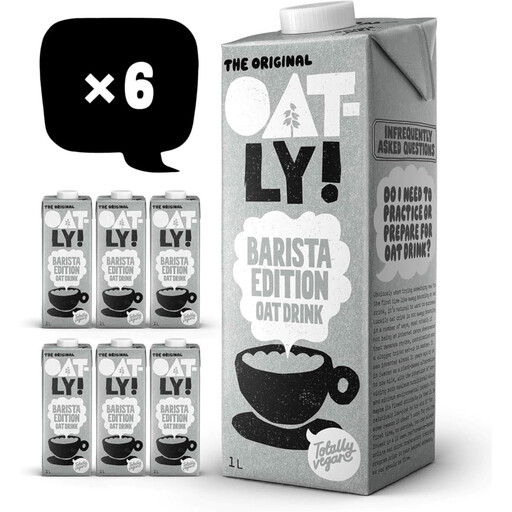
Oatly Long Life Barista Oat Drink, 6 × 1L
The barista format may be worth considering if you also want an oat drink for household cooking. Its coffee-oriented positioning does not establish suitability as a young child’s regular milk replacement: check the carton’s age and allergy warnings, and trial the flavour before buying for repeated meals.
View on Joybuy
 No image available
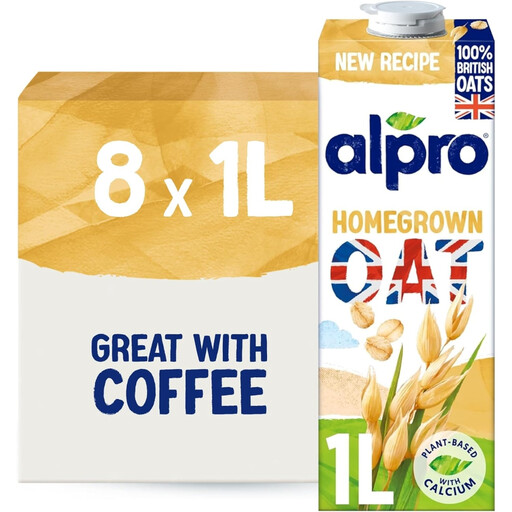
Alpro Oat Original Long Life Drink, 8 × 1L
For use in familiar family recipes, consider whether this Original variant’s flavour suits the meal. If it will regularly replace dairy for a child, check the current carton’s age guidance, fortification and allergy information; an eight-carton pack is a substantial first taste trial.
View on Joybuy
 No image available
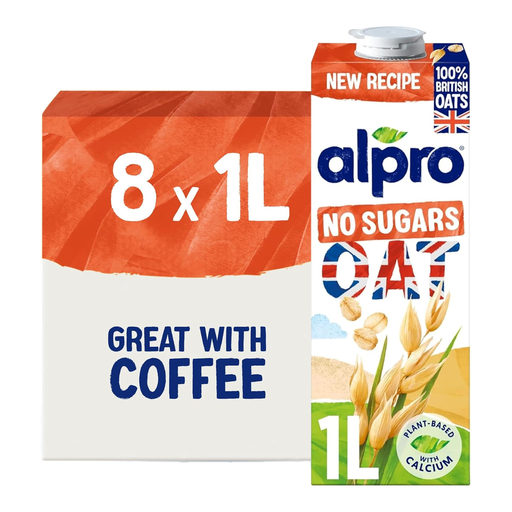
Alpro Oat No Sugars Long Life Drink, 8 × 1L
If sugar wording matters to your choice, read the current carton rather than relying on the variant name alone. Also check its age and allergy information for the person eating the meal, and consider a smaller taste trial before committing to eight cartons.
View on Joybuy
 No image available
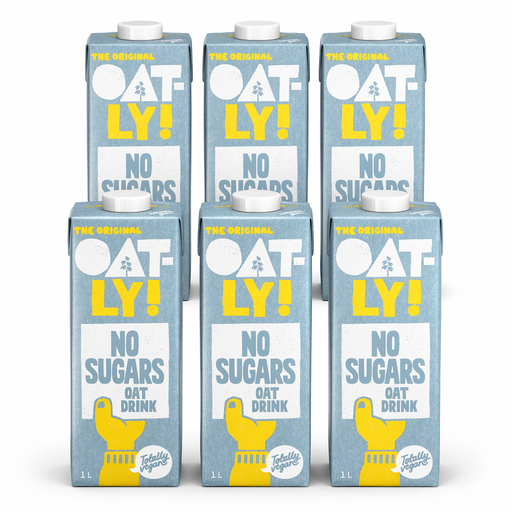
Oatly No Sugars Oat Drink, 6 × 1L
For a familiar meal where this variant’s flavour might work, start with a small serving rather than assuming it will be accepted. Check the current carton for the child’s age, fortification and allergy needs before using the six-pack regularly.
View on Joybuy
Common questions
Can oat drink replace a baby’s main milk drink before age 1?
No. NHS infant-feeding guidance says breast milk or first infant formula remains the appropriate main milk source during the first 12 months. For dairy-free feeding needs in that period, seek advice from the child’s clinician or dietitian rather than substituting an ordinary oat drink.
What matters if a child aged 1 or over has oat drink regularly instead of dairy?
Check the exact product for unsweetened status and added calcium, iodine, vitamin D and vitamin B12. NHS-linked clinical guidance describes fortified oat drinks as lower in protein than its first-choice fortified soya or pea alternatives, so consider the child’s wider diet as well as the carton.
Is a three-ingredient oat drink suitable as a young child’s dairy replacement?
The ingredient count alone cannot establish that. Marks & Spencer says its Only 3 Ingredients Oat Drink is not fortified and does not recommend that particular product as a dairy replacement for children under 36 months.
Does “gluten-free” make an oat drink suitable for everyone with an allergy?
No. The Food Standards Agency says oats remain an allergen even when labelled gluten-free. Check the exact drink’s ingredients and allergy warnings against the individual’s oat allergy, other allergies or coeliac-disease requirements.
How can I try oat drink in a fussy eater’s meal?
Try a small amount of an age- and diet-suitable drink in a familiar meal, without making acceptance the goal of that sitting. The NHS advises offering unfamiliar foods again at another time and not forcing a child to eat them.


