What should you check?
Start with how you will use the drink, then compare the nutrition and allergen information on the exact variant rather than relying on its oat or vegan description.
| Priority | What to check | Your needs |
|---|
| Fortification |
Check the carton for calcium and any listed vitamin D, B12 or iodine. NHS vegan-diet guidance includes fortified dairy alternatives, but fortification varies by product. |
I use oat drink regularly in place of dairy and want to know which nutrients this particular carton contributes. |
| Sugars |
Compare sugars per 100 ml, not just front-of-pack wording. Alpro lists 3.2 g per 100 ml for Oat Original despite its no-added-sugars description, and 0.0 g per 100 ml for its named Oat No Sugars variant. |
If a zero-sugars value is my requirement, I need that value on the nutrition panel rather than a no-added-sugars claim. |
| Coffee use |
Look for the exact drink’s stated steaming or frothing use. Minor Figures describes its Barista Oat for lattes and cappuccinos; a coffee-focused description does not answer the separate nutrition and allergen questions. |
For lattes at home, I care about a drink intended for frothing; for cereal and cooking, other carton details may matter more. |
| Ingredients |
Read the ingredient list alongside the nutrient declaration. M&S distinguishes its fortified Plant Kitchen Whole Oat Drink from its unfortified Only 3 Ingredients Oat Drink. |
A short ingredient list appeals to me, but I do not want to mistake it for evidence of added nutrients. |
| Allergens |
Check ingredients and precautionary statements on the exact carton; do not use vegan labelling as an allergy or coeliac-suitability claim. |
I need to assess cross-contact as well as ingredients. In a December 2023 Food Standards Agency/Ipsos UK survey of adults aged 16–75 in England, Wales and Northern Ireland, 53% of respondents with a food hypersensitivity to an animal-origin allergen and 50% of those regularly shopping for someone with one already knew vegan products might be unsuitable because of cross-contamination. |
| Age guidance |
Read any age and main-milk-drink statement. Sainsbury’s says its 1+ Years Oat Drink is not suitable as a main milk-drink alternative for children under 2; M&S says its Only 3 Ingredients drink is not recommended as a dairy replacement for children under 36 months. |
When shopping for a young child, I need the guidance for that specific drink, not an assumption based on its vegan or dairy-free description. |
Oat drinks on Joybuy
These oat-drink options cover stated no-sugars preferences and coffee-led use. Compare each carton’s nutrition and allergen information with your intended use, particularly if it will regularly replace dairy.
 No image available
Alpro Oat No Sugars Long Life Drink, 8 × 1 L
For a no-sugars oat-drink choice, this long-life pack is described for cereal and drinks. Joybuy’s description lists 0.0 g sugars per 100 ml and calcium, iodine and vitamins B2, B12 and D2. Check the current carton’s allergen and precautionary statements if relevant.
View on Joybuy
 No image available
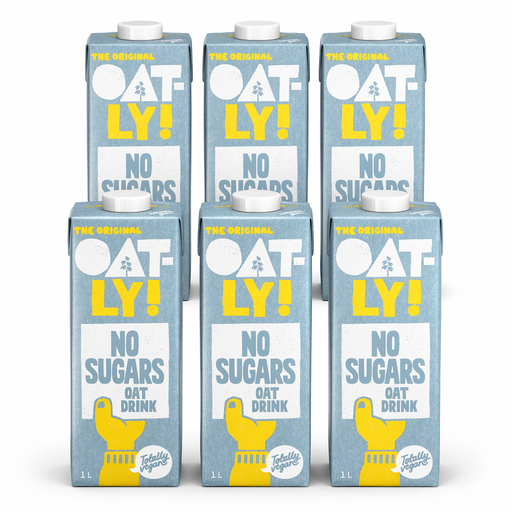
Oatly No Sugars Oat Drink, 6 × 1 L
Another no-sugars oat-drink option in a six-carton pack. If you plan to use it regularly in place of dairy, compare the current carton’s sugars and added nutrients; check its allergen and precautionary statements where needed.
View on Joybuy
 No image available
Alpro Barista Oat Long Life Drink, 8 × 1 L
Described for lattes and cappuccinos, this barista oat drink addresses coffee-led use. Its listed 3.0 g sugars per 100 ml means a no-added-sugars description should not be read as zero sugars. Check the exact pack for gluten and other allergen information.
View on Joybuy
 No image available
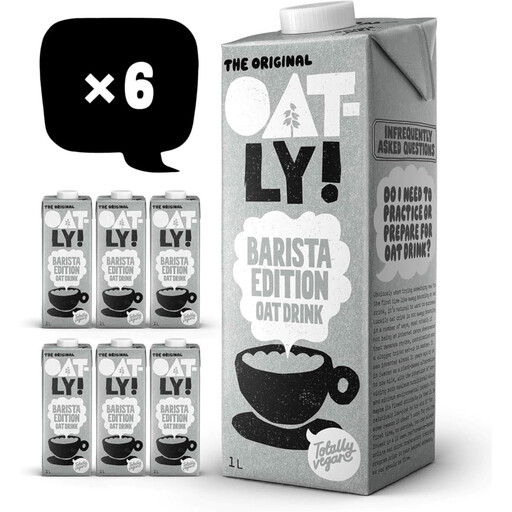
Oatly Long Life Barista Oat Drink, 6 × 1 L
This six-carton barista option is described for steaming and frothing coffee drinks. Compare its sugars and listed nutrients with any everyday-use alternative, and check the current carton’s allergen information. The product description says it is not a complete milk substitute for infants or young children.
View on Joybuy
 No image available
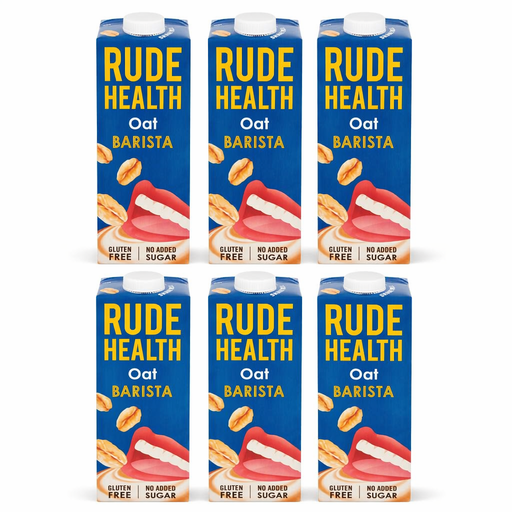
Rude Health Barista Oat Drink, 1 L
A single-carton option described for coffee and made with gluten-free oats. That ingredient description alone does not establish suitability for someone with coeliac disease; check the exact pack if that matters. Check its nutrient declaration before relying on it as a regular dairy replacement.
View on Joybuy
Questions about oat drinks
Is vegan oat drink automatically suitable for someone with a milk allergy?
No. A vegan description does not establish whether cross-contact with milk is relevant to the exact product. Check its ingredients, allergen declaration and any precautionary statement; Food Standards Agency research cautions against using vegan labelling as a substitute for allergen information.
Should I choose a fortified oat drink for regular use?
If it regularly replaces dairy, check whether the exact drink is fortified. NHS vegan-diet guidance includes fortified dairy alternatives and identifies calcium, vitamin D, B12 and iodine as nutrients requiring attention; not every oat drink contains the same added nutrients.
Does ‘no added sugars’ mean zero sugars?
No. Alpro lists 3.2 g sugars per 100 ml for Oat Original despite describing it as having no added sugars, while its named Oat No Sugars variant lists 0.0 g per 100 ml. Compare the nutrition panels of the variants you are considering.
Can I assume a vegan oat drink is suitable for coeliacs?
No. Check the specific product’s gluten-free and suitability statements rather than relying on vegan wording. Minor Figures describes its Barista Oat as gluten free, while the stated suitability of M&S oat-drink variants differs.
Can an oat drink replace a young child’s main milk drink?
Do not assume that it can: follow the age and use statement on the exact product. Sainsbury’s says its 1+ Years Oat Drink is not suitable as a main milk-drink alternative for children under 2, and M&S says its Only 3 Ingredients Oat Drink is not recommended as a dairy replacement for children under 36 months.


