Hosts serving dairy-free guests
Choose the drink for the guest’s specific requirements, not just its plant-based description. Check the exact carton’s ingredients and allergen wording before adding it to tea.


Choose an oat drink with an explicit gluten-free claim if the drink needs to be gluten-free; an ordinary oat drink is not automatically suitable, and an oat drink is not an option for someone with an oat allergy. For dairy-free tea, check the exact carton’s allergen information before deciding whether you prefer a barista-style drink or a shorter ingredient list. Changing the drink in the tea does not make the whole cream tea dairy-free or gluten-free.
Choose the drink for the guest’s specific requirements, not just its plant-based description. Check the exact carton’s ingredients and allergen wording before adding it to tea.
Look for an explicit gluten-free claim on the oat drink. Marks & Spencer, for example, states that its Only 3 Ingredients Oat Drink is not suitable for coeliacs.
A barista-style drink may appeal if you want a creamier addition to hot tea; a short ingredient list may matter more to you. Check allergen suitability before making that choice.
Set the requirements for everyone being served, then compare the drinks that meet them by texture and ingredients. Check the rest of the cream tea separately.
| Priority | What to check | Your needs |
|---|---|---|
| Gluten-free status | Look for an explicit claim on the exact drink. The Food Standards Agency defines gluten-free food as containing no more than 20 mg/kg of gluten as sold; an oat ingredient alone does not establish that status. | If the drink needs to be gluten-free, I need a carton carrying that claim rather than relying on the fact that it contains oats. |
| Milk-allergy suitability | Read the current ingredients, allergen statement and any precautionary wording. Marks & Spencer describes its Plant Kitchen Barista Oat Drink as vegan but says it is not suitable for people with a milk allergy. | I’m serving someone with a milk allergy, so a vegan description alone is not enough for my choice. |
| Oat allergy | Check whether the person must avoid oats themselves. A gluten-free claim does not mean an oat drink is free from oats. | If someone cannot have oats, I need to choose a non-oat drink and check its own allergen information. |
| Tea texture and ingredients | Compare the exact product’s hot-drink description and ingredient list. Oatly describes its Barista Edition for use in tea; Marks & Spencer lists water, oats and sea salt for its Only 3 Ingredients drink. Neither detail establishes the other product’s allergen suitability. | Would I rather try a barista-style addition to hot tea, or choose a shorter ingredient list? |
| The whole cream tea | Check the scones, cream, jam and preparation information as well as the drink. The Food Standards Agency explains that precautionary allergen labelling addresses allergens that could be unintentionally present. | I need to check everything being served, not assume that changing the milk in the tea changes the whole meal. |
Oat drinks do not all carry a gluten-free claim. Marks & Spencer states that its Only 3 Ingredients Oat Drink is not suitable for coeliacs or people with a wheat allergy.
When gluten-free status matters, check for an explicit claim on the exact carton at purchase.
A plant-based description does not settle the suitability of an exact product for someone with a milk allergy. Marks & Spencer’s vegan Plant Kitchen Barista Oat Drink carries a milk-allergy suitability warning.
Read the current carton’s ingredients, allergen statement and precautionary wording.
The drink is only one part of what guests will consume; accompaniments and preparation need their own checks.
Confirm the ingredients and relevant allergen information for the scones, cream, jam and food preparation before serving.
Barista-style oat drinks do not share one gluten-free or milk-allergy status. Alpro says the oats in its Barista Oat Drink may be exposed to gluten during manufacturing.
Set the allergen requirement first, then compare texture and ingredients among drinks that meet it.
These examples show why the claim on a particular carton matters more than a brand-wide description.
A barista oat-drink example for shoppers comparing explicit free-from claims.
A barista oat-drink option described by Oatly for hot drinks, including tea.
A dairy-free barista oat-drink reference where gluten-free status is a separate question.
Two different oat drinks illustrate why a simple recipe and a barista label need product-specific allergen checks.
An example of a retailer listing where product-level wording distinguishes oat drinks.
These oat-drink options cover barista-style and other long-life cartons for adding to tea. Check the current pack against each guest’s allergen requirements before choosing by texture or ingredients.
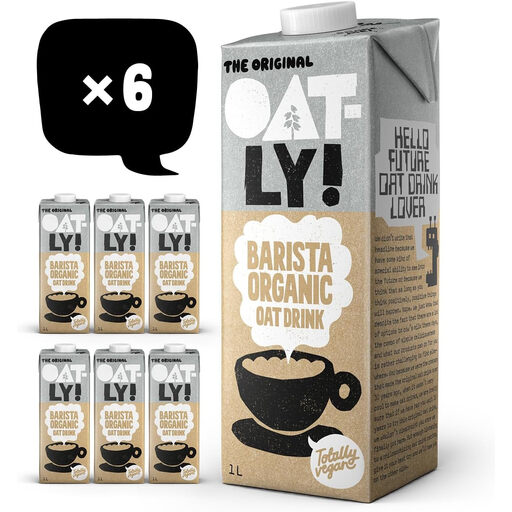 No image available
A barista-style oat drink to consider for tea when you want to compare hot-drink texture. Check the current carton for an explicit gluten-free claim if needed, and for its milk-allergy wording before serving someone with a milk allergy.
 No image available
This barista-style oat drink is a choice to consider when gluten-free status is not required. Alpro says oats used in its Barista Oat Drink may be exposed to gluten during manufacturing; check the current carton’s milk-allergy wording if relevant.
 No image available
This long-life barista oat drink is another option to consider for tea. Check this exact carton for a gluten-free claim where required, and read its current allergen wording before serving someone with a milk allergy.
 No image available
Consider this long-life oat drink if a non-barista option for tea fits your preference. Its “No Sugars” name does not establish gluten-free or milk-allergy suitability; check the exact carton for those requirements.
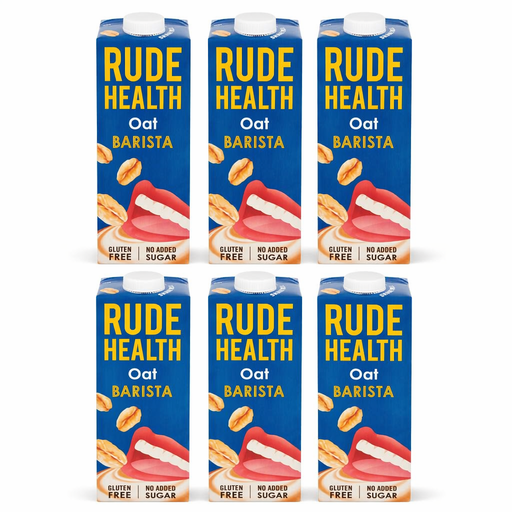 No image available
This single-carton barista oat drink is an option to compare by its current ingredients and allergen statement. Gluten-free oats in an ingredient list do not, by themselves, establish a gluten-free claim for the finished drink.
No. Check the exact drink for an explicit gluten-free claim if you need one. The Food Standards Agency defines gluten-free food as containing no more than 20 mg/kg of gluten as sold, while Marks & Spencer states that its Only 3 Ingredients Oat Drink is not suitable for coeliacs.
No: gluten-free describes gluten content, not the absence of oats. Someone who must avoid oats needs a non-oat option whose own allergen information meets their requirements.
No. It changes only what you add to the tea. Check the exact scones, cream, jam, utensils and preparation information for the allergens relevant to your guests.
Consider one if its stated hot-drink use and ingredients suit what you want in your tea. Oatly names tea as a use for its Barista Edition, but a barista label does not establish gluten-free or milk-allergy suitability; check the exact carton first.
No. Read the exact product’s current allergen and suitability wording. Marks & Spencer describes its Plant Kitchen Barista Oat Drink as vegan but also states that it is not suitable for people with a milk allergy.