For an older adult using oat drink as an everyday dairy-free alternative, start by checking for added calcium, then compare sugars and any listed vitamin D, vitamin B12 and iodine. A no-sugars carton may suit a sugar-related preference, while a barista carton is a choice for coffee use; neither label establishes that the drink meets someone’s needs when appetite is poor or weight is falling. In those circumstances, seek advice from a GP or dietitian rather than relying on a standard oat drink.
Who is this choice for?
Older adults using a dairy-free drink every day
If oat drink goes into cereal, tea or cooking regularly, compare the exact carton’s fortification, sugars and allergen declaration. The NHS recognises unsweetened, calcium-fortified plant drinks, including oat drinks, within its dairy-and-alternatives guidance; that does not make all formulations alike.
Carers keeping cartons in the cupboard
A long-life carton can be convenient to keep before opening where its label permits room-temperature storage. Check how it must be stored once opened and whether the household is likely to finish it within the stated period.
Households concerned about low intake or weight loss
A standard oat drink should not be the sole answer to poor appetite, unintentional weight loss or difficulty swallowing. NHS malnutrition guidance describes assessment and dietary support that may include foods and drinks high in calories and protein.
What should you check before choosing?
Choose for the way the drink will be used, then read the nutrition, allergen and storage information on that particular carton. Fortification, a no-sugars name and barista use answer different questions.
| Priority | What to check | Your needs |
|---|
| Fortification |
Look for added calcium on the exact carton. Check separately whether vitamin D, vitamin B12 and iodine are listed; do not assume every variant has the same additions. |
I use oat drink regularly instead of dairy milk and want to know which nutrients this carton lists. NHS dairy-alternatives guidance specifically includes unsweetened, calcium-fortified plant drinks. |
| Protein and low intake |
Read protein per 100ml and consider what else the person eats and drinks. If appetite is poor, weight is falling or swallowing is difficult, ask a GP or dietitian about appropriate support rather than selecting a standard oat drink for that purpose. |
Someone in my household is eating less or losing weight, so choosing a drink for nutritional support calls for an individual assessment. NHS malnutrition guidance discusses fortified foods and drinks high in calories and protein. |
| Sugars |
Compare the sugars figure on the current nutrition panel with the wording on the pack. Check protein and fortification separately, even when the name says “No Sugars”. |
I prefer a no-sugars option for everyday drinks, but I still need to know what else the carton contains. |
| Storage |
Confirm that the unopened carton is suitable for cupboard storage. Follow its own refrigeration and use-by-opening instructions; Marks & Spencer says to refrigerate its Semi Oat Drink and consume it within five days of opening. |
Keeping spare cartons is useful, but I need a size and quantity that we can use within the opened-carton instructions. |
| Allergens |
Read the declaration for the exact variant, including any gluten-free claim and oat-allergen information. A gluten-free claim does not mean the product is free from oats. |
When buying for someone with coeliac disease or a diagnosed allergy, I need a product whose current declaration fits their requirements. |
| Coffee use |
Check whether the carton is intended for coffee, then compare its nutrition panel with an everyday option. Barista wording does not establish that a drink meets higher protein or energy needs. |
Most of the carton will go into coffee, so its intended use matters alongside the nutritional details. |
Common buying mistakes
-
Assuming added vitamins make oat drink a nutrition supplement
Fortification and protein are separate parts of the label. NHS malnutrition guidance discusses support that may include foods and drinks high in calories and protein when intake is inadequate.
For routine use, compare the carton’s listed nutrients and protein. For poor appetite, unintentional weight loss or swallowing difficulties, contact a GP or dietitian instead of relying on oat drink alone.
-
Reading “barista” as a nutritional claim
A barista name identifies a coffee-focused use, not suitability for someone who needs nutritional support. Minor Figures lists protein separately in the nutrition information for its Barista Oat drink.
Choose a barista carton if coffee preparation is the reason for buying it, and assess its nutrition panel on its own terms.
-
Leaving an opened long-life carton in the cupboard
Long-life storage before opening does not carry over once the seal is broken. Marks & Spencer instructs shoppers to refrigerate its Semi Oat Drink after opening and use it within five days.
Follow the instructions on the carton you buy, and match the quantity you open to how quickly it will be used.
An unfinished carton may have to be discarded once its stated opened-carton period has passed.
-
Assuming every oat drink suits a gluten or oat allergy requirement
Gluten content and an oat allergy are different considerations. The Food Standards Agency defines “gluten-free” as no more than 20mg/kg gluten in food as sold, but that wording does not mean a drink contains no oats.
Read the current allergen declaration for the exact product. Where there is a diagnosed allergy or coeliac disease, follow the individual’s healthcare advice.
Brand and range references
These examples show why the variant matters more than the brand name alone; check the current carton before buying.
Tesco
Tesco Long Life Oat Original is described by Tesco as a UHT oat drink with added calcium, iodine and vitamins B12, B2 and D2.
- A named long-life, fortified option for ordinary dairy-free use.
- Its fortified description does not make it a substitute for an individually recommended nutrition drink.
Alpro
Alpro Oat No Sugars is described in Tesco’s product information as UHT, with no sugars or sweeteners and added calcium.
- A distinct option when the no-sugars wording is relevant to the choice.
- Check the current nutrition and allergen declarations for the precise carton and pack format.
Oatly
Oatly says its Oat Drink Semi 1.5% contains added calcium, iodine and vitamins D2, B12 and riboflavin.
- The stated additions can be checked against other everyday oat-drink variants.
- Those details concern the Semi 1.5% variant, not every Oatly carton.
M&S
Marks & Spencer describes added calcium, iodine, vitamin B12 and vitamin D in its Barista Oat Drink. Its separate Only 3 Ingredients Oat Drink is described as water, oats and salt.
- The different recipes make the exact variant important when checking fortification.
- Do not assume the three-ingredient option has the additions listed for the Barista drink.
Minor Figures
Minor Figures presents Barista Oat as a coffee-focused drink and lists calcium and protein per 200ml serving.
- The serving information lets shoppers examine the drink beyond its coffee use.
- Coffee positioning is not a reason to treat it as tailored support for poor intake.
Joybuy oat drink options
These cartons cover no-sugars, everyday long-life and coffee-focused oat-drink choices. Compare the precise pack format and current label, especially where sugars, iodine or allergen suitability matter.
 No image available
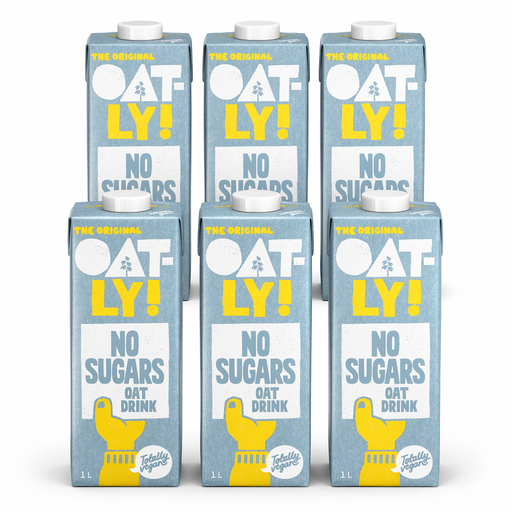
Oatly No Sugars Oat Drink, 6 × 1L
This six-carton pack is an option when no-sugars oat drink is the preference for routine use. Check the current pack for its nutrition, oat-allergen and after-opening storage information; the name alone does not establish suitability for someone needing nutritional support.
View on Joybuy
 No image available
Alpro Oat No Sugars Long Life Drink, 8 × 1L
This eight-carton long-life pack may suit a household keeping oat drink for regular use. Check the current pack’s sugars declaration before relying on the no-sugars name, and read its nutrition and allergen information separately.
View on Joybuy
 No image available
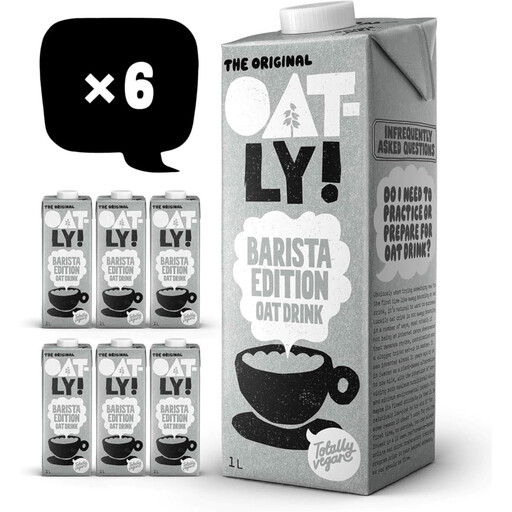
Oatly Long Life Barista Oat Drink, 6 × 1L
This six-carton barista option is relevant when the oat drink will mainly be used in coffee. Compare its current nutrition panel and opened-carton instructions rather than taking “barista” to mean it meets a higher nutritional need.
View on Joybuy
 No image available
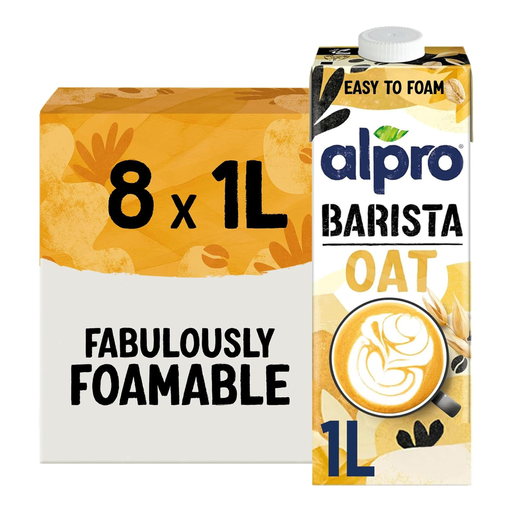
Alpro Barista Oat Long Life Drink, 8 × 1L
This eight-carton long-life pack is a coffee-focused choice. Read sugars on the nutrition panel independently of any “no added sugars” wording, and check protein, allergens and storage directions on the current pack.
View on Joybuy
 No image available
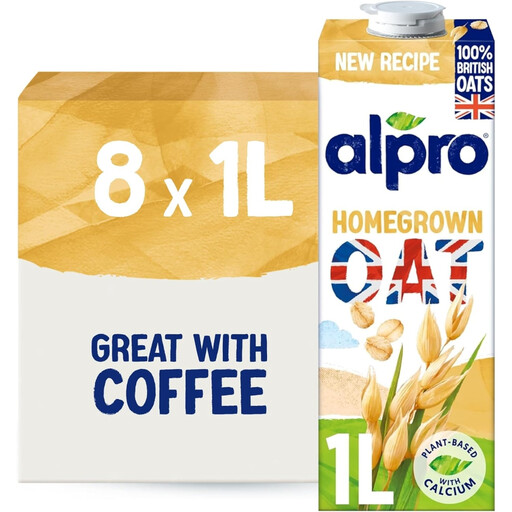
Alpro Oat Original Long Life Drink, 8 × 1L
This eight-carton long-life option is suited to considering oat drink for everyday cereal or hot drinks. Check the current pack before counting iodine among its stated nutrients, and compare its sugars, protein, allergens and after-opening instructions.
View on Joybuy
Questions about choosing oat drink
Should an older person choose calcium-fortified oat drink?
For regular dairy-free use, an unsweetened calcium-fortified carton is a useful starting point: NHS guidance includes these plant drinks in its dairy-and-alternatives food group. Compare the exact carton for vitamin D, vitamin B12, iodine, sugars and protein rather than assuming every fortified drink has the same composition.
Can ordinary oat drink replace a nutrition drink when appetite is poor?
Do not rely on an ordinary oat drink as the sole response to poor appetite or unintentional weight loss. NHS malnutrition guidance describes assessment and support that may include foods and drinks high in calories and protein; a GP or dietitian can advise on the individual situation.
Can a long-life carton stay in the cupboard after opening?
Follow the opened-carton instructions rather than the unopened storage description. For example, Marks & Spencer instructs shoppers to refrigerate its Semi Oat Drink and consume it within five days of opening; check the period stated on the carton you buy.
Does “gluten-free” mean an oat drink contains no oat allergen?
No. The Food Standards Agency’s gluten-free definition concerns a maximum of 20mg/kg gluten in food as sold; it does not remove oats from an oat-based product. Check the full allergen declaration and follow individual healthcare advice where coeliac disease or an allergy has been diagnosed.


