
24/7 Customer Support

Free returns

Same-day & Next-day Delivery

Quality Guaranteed

Unlock Your Welcome Offers: FREE Delivery | Up to 80% OFF | Free 30-day JoyPlus trial
Download the APP
Oat products now cover much more than a bowl of porridge. UK shoppers can choose from oat milk, oat drink, barista oat milk, porridge oats, instant oatmeal, oat biscuits, breakfast powders and oat-based skincare. That variety is useful, but it also makes comparison difficult.
Packaging can make a product look healthier, more convenient or more suitable for sensitive skin than it really is. Before buying, watch for three common traps:
The right choice depends on ingredients, nutrition, allergens, preparation method and intended use.
For simple whole grain oats, the ingredient list should be short. Products such as rolled oats or porridge oats may contain 100% whole grain oats, while flavoured oat cereal and instant oatmeal can include sugar, salt, malt extract, milk powder, nuts or sweeteners.
Compare the quantitative ingredient declaration where available. For example, some sachet-based breakfast powders list oats at 20%, while a whole oat product contains only oat flakes. Neither is automatically suitable for every shopper: the powder may offer convenience, but it also introduces more ingredients and potential allergens.
For oat groats, check whether the product contains whole oat kernels and follow the preparation instructions. They usually require more cooking than rolled oats, so they may suit batch cooking rather than a quick weekday breakfast.
UK food labels normally provide nutrition per 100g or 100ml, which makes comparison easier. Look at:
For example, the listed Quaker Jumbo Rolled Oats provide 9g of fibre and 11g of protein per 100g, whereas oat drinks are measured per 100ml and generally provide much less protein. Compare like with like rather than relying on front-of-pack wording.
Oats can be listed as an allergen-containing cereal, and products may also contain or potentially contain wheat, barley, rye, soy, milk, peanuts, nuts or sesame. Always check the latest packaging if you have an allergy or follow a strict gluten-free diet.
For a vegan or dairy-free oat drink, check the full ingredients and allergen panel rather than relying only on the front label. Some oat cereal powders contain milk powder or non-dairy creamer, so they may not be suitable for vegans.
For skincare, inspect the complete ingredient list and intended use. An oat face wash may be fragrance-free and designed for sensitive skin, but patch testing is still sensible. Avoid direct eye contact and discontinue use if irritation develops.
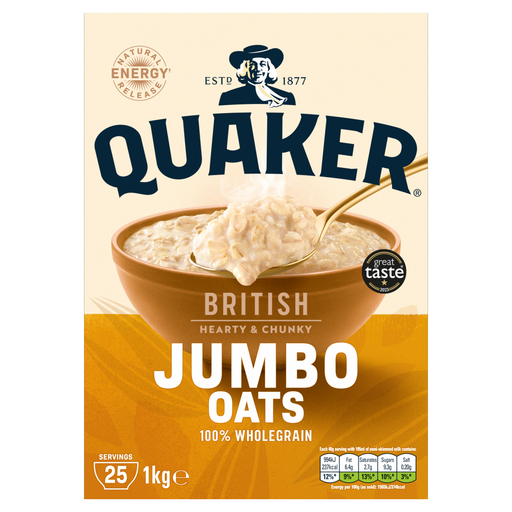
Why This Fits Their Persona: A practical cupboard staple for porridge, overnight oats and home baking without buying several specialised products.
The ingredient list states 100% whole grain oat flakes, avoiding the extra sugar, creamer and flavourings found in some instant mixes.
1kg pack; 9g dietary fibre and 11g protein per 100g; suitable for porridge and baking.

Why This Fits Their Persona: Suitable for shoppers who prioritise organic certification and a straightforward whole grain breakfast ingredient.
The product is identified as 100% organic whole grain oat flakes, so there is less ambiguity about the main ingredient.
Organic whole grain oat flakes; provides 8.3g fibre and 11g protein per 100g.

Why This Fits Their Persona: Designed for frequent coffee drinkers who want a long-life dairy-free oat drink for steaming and frothing at home.
It is specifically labelled as a barista drink, making it a more appropriate choice than a standard oat drink for coffee preparation.
8 x 1L long-life pack; 43 kcal and 0.2g saturated fat per 100ml; suitable for vegans according to the product information.
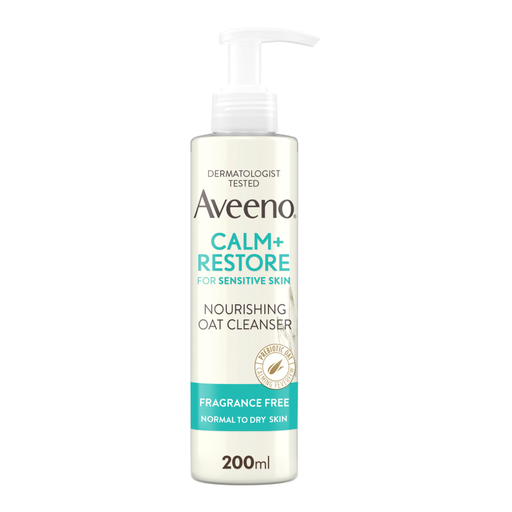
Why This Fits Their Persona: A fragrance-free oat face wash option for shoppers seeking a simple daily cleanser for sensitive or dry-feeling skin.
The listed formula excludes fragrance, parabens, sulphates, alcohol and dyes; users should still patch test before regular use.
200ml format; milky gel cream texture; includes oat kernel flour and glycerin.
We have compiled a complete, real-time list of products that fully satisfy these strict selection criteria and UK safety regulations.
They are commonly used to describe plant-based drinks made with oats. In shops, “oat drink” is widely used on packaging. The nutritional profile, fortification, sweetness and texture vary between products, so compare the label rather than the name alone.
Yes, it can be poured over cereal, but it may have a richer formulation designed for foaming and coffee. If cereal is your main use, compare price, calories, fat and pack size with a standard oat drink before choosing.
Instant oatmeal and sachet-based oat breakfast powder require the least preparation. Rolled oats usually cook quickly on the hob or in a microwave, while oat groats generally need longer cooking. Select based on your morning routine, not simply the front-of-pack health messaging.