
24/7 Customer Support

Free returns

Same-day & Next-day Delivery

Quality Guaranteed

Unlock Your Welcome Offers: FREE Delivery | Up to 80% OFF | Free 30-day JoyPlus trial
Download the APP
Oat products cover a wide range of everyday purchases, from oat milk and breakfast cereals to chocolate oat biscuits, oatcakes, body creams and appliances for making plant-based drinks at home. However, attractive packaging can make products seem more suitable than they are.
The most common buying mistakes include choosing a drink without checking its nutrition panel, assuming every oat product is vegan and paying for a large multipack that does not match your household’s usage. Use the following checks to compare products more confidently.
Oat drinks vary considerably in taste, texture, fat content and intended use. A standard long-life oat drink may work well with cereal, while a barista oat drink generally contains a formulation designed for heating and frothing. A richer oat drink may suit coffee or cooking but provide more calories per 100ml than a lighter option.
Also check whether the product is labelled vegan, dairy-free or lactose-free. Oats themselves do not contain dairy, but some cereal powders, biscuits and porridges include milk powder or milk-derived ingredients.
Check the nutrition table rather than relying only on front-of-pack wording. Some oat drinks contain naturally occurring sugars created during processing, while others list 0.0g sugars per 100ml. Sweetened biscuits and ready-to-eat oatmeal porridge can contain considerably more sugar than plain oat flakes.
The ingredient list is equally important. Look for terms such as sugar, glucose syrup, malt extract or whole cane syrup. For example, chocolate oat biscuits are treats rather than interchangeable alternatives to plain porridge.
Oat products can contain or be made alongside wheat, barley, rye, soya, milk, peanuts and tree nuts. Nairn’s Marmite & Cheese Oatcakes, for instance, contain oats, gluten cereals, milk and celery. The Family oat and soya cereal powder contains oats, wheat, soya and milk, so it is not suitable for a vegan or dairy-free diet.
Always read the current packaging, particularly if you have an allergy or are buying for children. Product recipes and packaging may change.
Compare drinks using the per 100ml figures. Useful points include:
For coffee, look for a barista formulation and follow the preparation guidance. Heating and frothing performance can differ between standard oat milk and specialist coffee versions.
For oat biscuits, oatcakes and cereal powders, compare the serving size, not just the pack weight. A 150g packet may appear inexpensive but offer fewer portions than a larger family pack. Check sugars, saturates, salt and fibre per 100g.
Chocolate coatings, milk powder and syrups can change the nutritional profile. Nature Valley Crunchy Dipped Milk Chocolate 160g contains 34.8% whole grain oat flakes but also includes milk and soya. McVitie’s Chocolate Hobnobs contain oats, wheat, milk and soya. These details matter if you need vegan or allergen-conscious products.
A soya milk maker or nut milk maker can be convenient for households that regularly prepare oat, soya or nut drinks. Before buying, check:
For oat body lotion or oat body cream, assess the ingredients, fragrance, size and usage warnings. These are topical cosmetic products, not food products, and should be used only as directed. Stop using a product if irritation occurs.
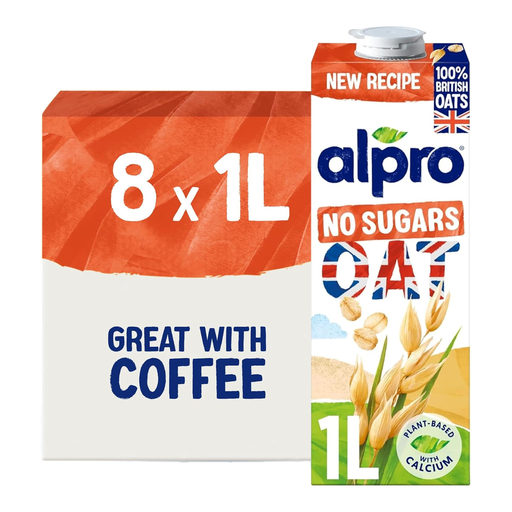
Why This Fits Their Persona: The multipack is practical for regular UK household use, with UHT storage before opening and a neutral profile for cereal, tea, coffee and smoothies.
Its label states 0.0g sugars per 100ml and no sweeteners; buyers should still check the current carton before purchase.
Eight 1L cartons; dairy-free, lactose-free and suitable for vegans according to the supplied product information.

Why This Fits Their Persona: Designed for coffee, tea, hot chocolate, baking and cooking, it suits shoppers who want an organic oat drink with a creamy coffee-friendly texture.
The ingredient list is short and clearly identifies organic oats, rapeseed oil, sea salt and potassium carbonate.
Six 1L cartons; dairy-free and soya-free according to the supplied description.
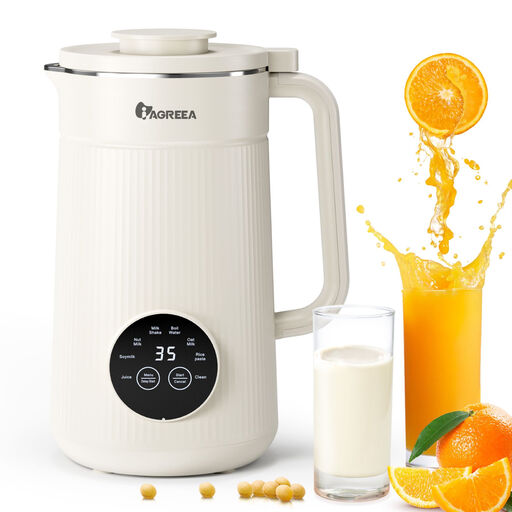
Why This Fits Their Persona: Regular users can prepare oat, soya, almond and other nut drinks at home using an appliance with delay start and multiple automatic programmes.
The 1L capacity, stated preparation time and self-cleaning cycle make its daily workload clearer before purchase.
Eight programmes, 12-hour delay setting and a 750W stirring system; follow the manual for safe use.
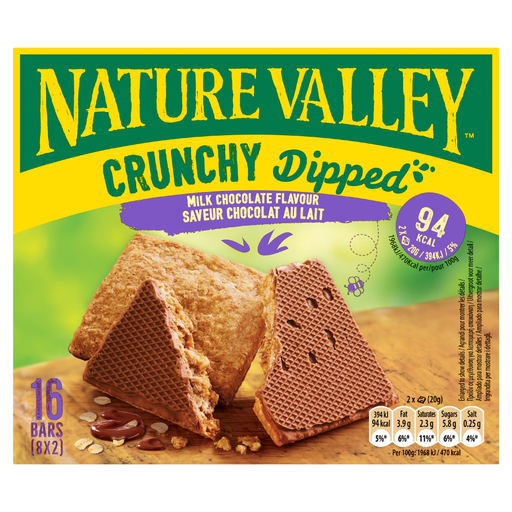
Why This Fits Their Persona: Individually wrapped oat biscuits suit lunchboxes, office drawers and days out when convenient portions matter.
The stated 34.8% whole grain oat flake content and full allergen list help shoppers assess it as a chocolate snack rather than a plain breakfast food.
160g pack with individually wrapped biscuits; contains oats, wheat, milk and soya.
We have compiled a complete, real-time list of products that fully satisfy these strict selection criteria and UK safety regulations.
Many oat drinks are labelled suitable for vegans, but this should be confirmed on the product packaging. Oat milk is not automatically suitable if it is part of a mixed cereal drink containing milk powder or other animal-derived ingredients.
The unopened carton can usually be stored in a cool cupboard until the printed best-before date. After opening, refrigerate it and follow the specific label instructions. Depending on the product, this may be five or seven days.
The answer depends on ingredient prices, electricity use, batch size and how frequently the appliance is used. A maker may offer control over ingredients and preparation, but it also requires cleaning and safe storage of homemade drinks. Compare the cost per litre with your usual long-life oat drink before buying.