
24/7 Customer Support

Free returns

Same-day & Next-day Delivery

Quality Guaranteed

Unlock Your Welcome Offers: FREE Delivery | Up to 80% OFF | Free 30-day JoyPlus trial
Download the APP
Oat products can make weekday breakfasts, coffee routines and packed lunches simpler, but attractive packaging does not always tell the whole story. A large bag may offer good value yet require cooking every morning, while flavoured instant porridge sachets can be convenient but contain added sugar. Similarly, an oat drink labelled “barista” may steam well but not suit someone looking for a lighter everyday drink.
The right choice depends on ingredient simplicity, preparation time, dietary requirements and storage needs. This guide explains the practical checks to make before buying porridge oats, oat milk, oat snacks and other breakfast oats available to UK shoppers.
Oat flakes, rolled oats and porridge oats can all be used for breakfast, but their texture and cooking time differ. Jumbo rolled oats generally give a more noticeable bite and may need longer cooking. Finer oatmeal or instant porridge sachets are quicker but may produce a softer texture.
Check the preparation instructions rather than relying on phrases such as “quick” or “easy”. A product intended for boiling water may not deliver the same consistency when prepared with cold milk or overnight.
Oat milk and oat drink are dairy-free and can suit vegan or vegetarian diets, but oats may be listed as cereals containing gluten. Some oat-based breakfast blends also contain wheat, barley, soya, sesame or milk powder.
Always read the allergen statement, particularly when buying mixed oat flakes, flavoured porridge sachets or oat snacks. “Dairy-free” does not automatically mean gluten-free, and an oat drink is not a complete substitute for infant formula or breast milk.
A flavoured product can contain considerably more sugar than plain wholegrain oats. Compare the per 100g nutrition panel as well as the per-serving figures, since serving sizes vary between brands and formats.
For example, plain rolled oats can contain only around 1g of sugar per 100g, while a golden syrup or fruit-flavoured instant porridge may list sugar and flavourings among its ingredients. This does not make a flavoured product unsuitable, but it is important to choose it knowingly.
If you prefer a high-fibre breakfast, compare the fibre figure per 100g rather than relying on front-of-pack wording. Wholegrain oats commonly provide fibre and plant-based protein, but the overall nutritional value still depends on the complete ingredient list.
For a simple breakfast base, look for an ingredient list containing 100% oats or 100% organic wholegrain oat flakes. Organic porridge oats may be preferable if certified organic sourcing is important to you, but certification does not automatically indicate a particular texture or cooking time.
Mixed products may include dried fruit, seeds, milk powder, non-dairy creamer, sugar or composite cereals. Check whether the product is vegan, vegetarian or dairy-free according to the label, and look for precautionary statements such as “may contain wheat” or “may contain nuts”.
For everyday cereal, tea or smoothies, a standard oat drink may be sufficient. A barista oat milk is formulated to work with heat and foaming, making it more suitable for cappuccinos, flat whites and latte art. Richer versions may contain more fat and calories than “no sugars” options, so compare the nutrition panel.
Long-life oat milk is convenient for bulk buying because it can be stored unopened in a cupboard. Once opened, it must be refrigerated and consumed within the period printed on the packaging. Shake well before use, as natural separation can occur.
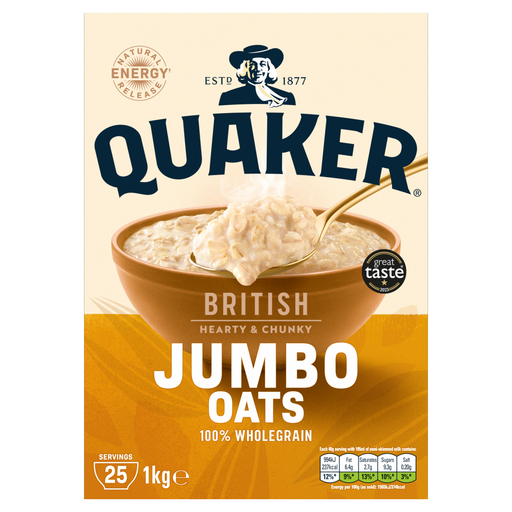
Why This Fits Their Persona: A 1kg pack is practical for regular porridge, overnight oats and baking, helping households avoid buying multiple smaller packs.
The ingredients list identifies 100% wholegrain oat flakes, avoiding a flavoured mix with hidden sweeteners or multiple cereal ingredients.
1kg quantity; 9g dietary fibre and 11g protein per 100g according to the supplied nutrition information.

Why This Fits Their Persona: Suitable for shoppers seeking organic wholegrain oats in a larger household format for regular breakfast preparation.
The product is listed as 100% organic wholegrain oat flakes, rather than relying only on broad wellness wording.
Two 1kg packs; organic wholegrain oat flakes with 8.3g fibre per 100g in the supplied nutritional information.
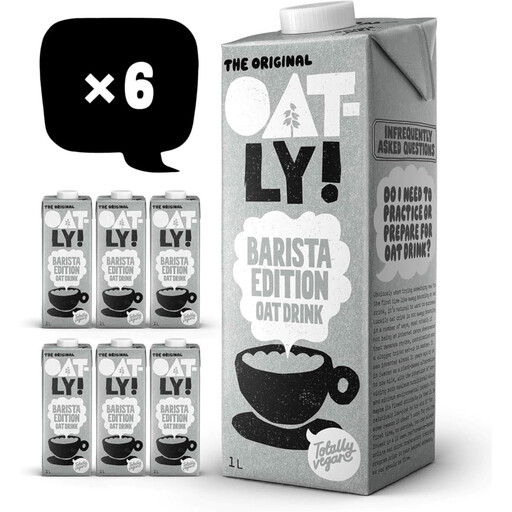
Why This Fits Their Persona: A six-carton supply suits frequent coffee drinkers, shared homes and anyone making steamed drinks at home.
It is clearly positioned as a barista-style oat drink, so buyers can match the format to steaming and foaming rather than expecting every oat drink to behave identically.
Six 1-litre cartons; suitable for hot drinks, cereal, smoothies and cooking. Refrigerate after opening and use within 7 days.
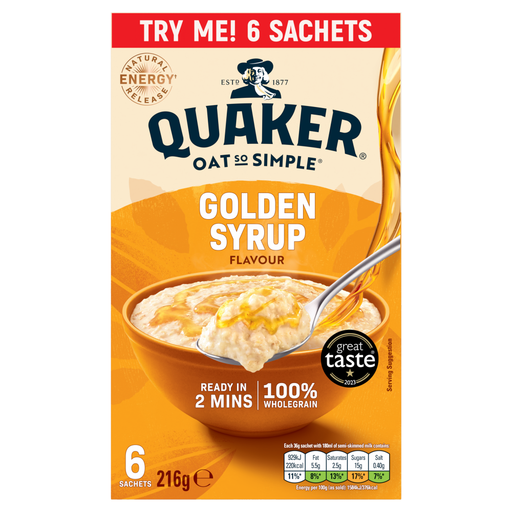
Why This Fits Their Persona: Pre-portioned sachets are useful for rushed mornings at home, work kitchens or student accommodation with limited storage.
The pack states six individual sachets and a two-minute microwave method, making the time commitment clear before purchase.
100% British wholegrain oats are listed; each 36g sachet is portioned for quick preparation.
We have compiled a complete, real-time list of products that fully satisfy these strict selection criteria and UK safety regulations.
Plain porridge oats can be cooked with water, dairy milk or a dairy-free milk alternative. Oat milk works particularly well for a plant-based breakfast, although a richer oat drink may change the final calorie and fat content.
For a faster option, prepare instant porridge sachets according to the pack instructions and add fruit, seeds or yoghurt if suitable for your diet. Rolled oats can also be soaked overnight, stirred into smoothies or used in flapjacks. Oat snacks are convenient for commuting, but compare sugar, saturated fat and portion size rather than treating every flapjack as an everyday breakfast replacement.
Plain oats and many oat drinks are suitable for vegans, but recipes vary. Check for milk powder, whey, honey, non-vegan vitamin sources or other animal-derived ingredients. Mixed sachets and oat snacks require particular care.
Store dry oats in a cool, dry place and reseal the packaging or transfer them to an airtight container. Follow the best-before guidance on the pack and discard the product if it develops an unusual smell, moisture or signs of infestation.
The cost depends on pack price, usage and waste. Barista oat milk may be worthwhile if you regularly steam or foam drinks, but a standard oat drink can be more economical for cereal, smoothies and general cooking. Compare the price per litre and refrigerate opened cartons as directed to avoid unnecessary waste.