
24/7 Customer Support

Free returns

Same-day & Next-day Delivery

Quality Guaranteed

Unlock Your Welcome Offers: FREE Delivery | Up to 80% OFF | Free 30-day JoyPlus trial
Download the APP
Oat products have moved well beyond breakfast cereal. UK shoppers can now choose from oat milk, barista oat milk, oatmeal porridge, oat biscuits, oatcakes, oat skincare and even appliances for making plant-based drinks at home.
However, attractive packaging can conceal important differences. A product labelled “oat” may still contain dairy, added sugar, wheat, soya or other allergens. Large multipacks may appear economical but become poor value if they do not suit your routine. The right choice depends on ingredients, intended use, storage and serving size rather than marketing language alone.
Oat-based does not automatically mean dairy-free or vegan. Chocolate oat biscuits may contain milk powder or whey, while oat cereal powders can include whole milk powder. Oatcakes may contain cheese, and some ready-to-eat porridges include milk-derived ingredients.
If you follow a vegan or dairy-free diet, check the full ingredient list and allergen statement. Look for clearly stated suitability, but still review the packaging because recipes can change.
Some oat drinks contain naturally occurring sugars from oats, while others list 0g sugars per 100ml. “No added sugars” does not necessarily mean sugar-free. Powdered cereal products may also include a separate glucose sachet, which changes the overall sugar and calorie content when prepared.
Compare the nutrition per 100ml or 100g, not just the front-of-pack description. This makes it easier to compare oat milk with other plant-based milk products.
Barista oat milk is designed to heat, steam and foam, but it may have a richer texture or different fat content from an everyday oat drink. Similarly, a family-sized cereal box may not be practical for someone who wants individually portioned breakfasts.
Match the format to your routine: long-life cartons for cupboard storage, ready-to-eat porridge for convenience, oatcakes for savoury toppings and a plant-based milk maker for frequent homemade batches.
In the UK, ingredients are listed in descending order by weight. If oats appear near the beginning, they form a meaningful part of the recipe, but the percentage still matters. For example, several oat drinks list around 10% oats, while some oat biscuits contain a higher proportion of wholegrain oat flakes.
Check for cereals containing gluten, milk, soya, nuts, barley and wheat. Oats may be unsuitable for people with specific allergies or dietary requirements, particularly where cross-contamination is a concern. Always use the current pack label as the final reference.
For oat milk, compare:
Fortification varies by product. Some oat drinks provide calcium and several vitamins, but no plant-based drink should automatically be treated as nutritionally identical to dairy milk. Oat drinks are also not suitable as complete infant food or breast milk substitutes.
For oat biscuits, oatcakes and cereal powders, consider portion size as well as the per-100g figures. Biscuits can contain substantial sugar or saturated fat even when oats are a prominent ingredient.
Long-life oat milk is convenient for UK cupboards before opening, but opened cartons generally need refrigeration and should be consumed within the period stated on the label. Many products recommend using an opened carton within five to seven days.
For a barista oat milk, look for wording that specifically refers to foaming or steaming. For a milk maker, check capacity, preparation time, cleaning method and whether ingredients need soaking. For oat skincare, review fragrance and usage warnings, especially if your skin is sensitive.

Why This Fits Their Persona: The eight 1-litre cartons suit households moving from dairy milk to a cupboard-friendly plant-based milk, with a format that reduces frequent individual purchases.
The label states 0.0g sugars per 100ml and no sweeteners, making the nutrition panel easier to assess than a vague “healthy” claim.
Long-life storage before opening; contains calcium, iodine and vitamins B2, B12 and D2.

Why This Fits Their Persona: Suitable for coffee drinkers who regularly make flat whites, cappuccinos or other foamed drinks at home.
It is specifically described for heating, steaming and frothing, rather than being presented as an all-purpose carton without a defined use.
Contains 10% oats; provides calcium, iodine, vitamin D2, riboflavin and vitamin B12.
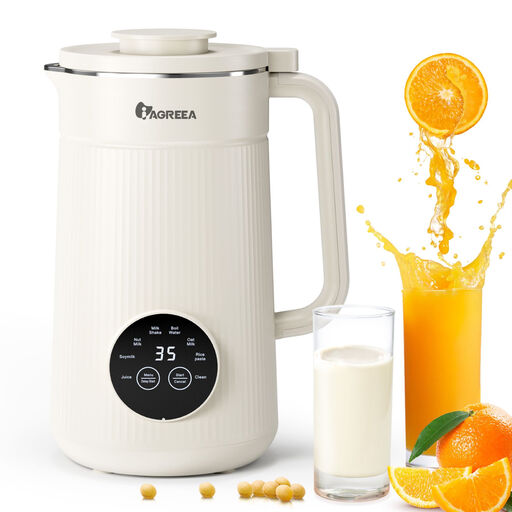
Why This Fits Their Persona: A practical option for households that prepare oat milk, soy milk or nut milk regularly and want to control ingredients at home.
The 1-litre capacity, stated preparation time and cleaning cycle make the ongoing routine clearer than buying an appliance based only on “homemade” claims.
Eight automatic programmes; 12-hour delay setting, two-hour keep-warm function and self-cleaning cycle.
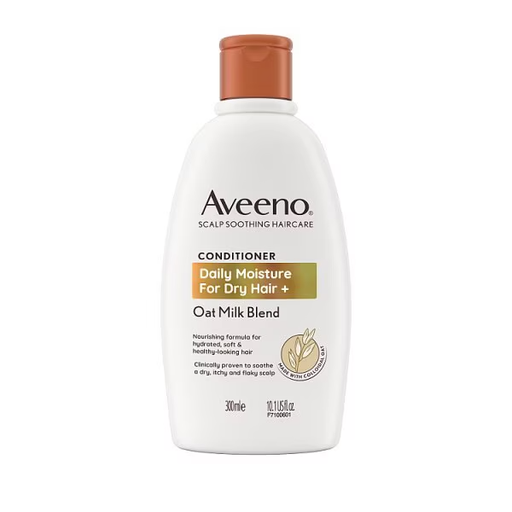
Why This Fits Their Persona: Designed for shoppers looking for an oat-based hair conditioner for dry hair and a regular washing routine.
The instructions specify application from mid-lengths to ends for three to five minutes, helping buyers understand how it fits into use.
Contains colloidal oatmeal and is supplied in a 300ml format; external-use warnings and fragrance ingredients are listed.
We have compiled a complete, real-time list of products that fully satisfy these strict selection criteria and UK safety regulations.
Many oat drinks are dairy-free and suitable for vegans, but this must be confirmed on the individual product label. Check for milk ingredients and allergen information, and remember that oats can contain gluten or be handled alongside other cereals.
Storage instructions differ. The products listed here generally require refrigeration after opening and should be consumed within five to seven days. Shake before use if separation occurs, and follow the date and instructions printed on the carton.
The answer depends on how often it is used, ingredient costs, electricity, cleaning time and waste. A 1-litre maker may suit frequent users, but occasional drinkers may find multipack long-life oat milk more convenient. Compare your weekly usage rather than the appliance price alone.