
24/7 Customer Support

Free returns

Same-day & Next-day Delivery

Quality Guaranteed

Unlock Your Welcome Offers: FREE Delivery | Up to 80% OFF | Free 30-day JoyPlus trial
Download the APP
Oat snacks can be a practical choice for breakfast, lunchboxes, commuting and family sharing. However, attractive front-of-pack wording can make products difficult to compare. A cereal bar may contain wholegrain oats but still be high in sugar, while an item labelled “protein” may provide only a modest amount per serving.
The most useful way to shop is to compare the serving size, ingredient list, allergen information and pack format rather than relying on words such as “natural”, “wholesome” or “energy”. The following guide covers oat bars, cereal bars, granola bars, flapjacks, oat biscuits, oatcakes and porridge sachets available to UK shoppers.
Oats are often listed prominently, but recipes may also include sugar, syrups, chocolate or fruit concentrates. For example, a product can contain a high proportion of wholegrain oats while still providing over 20g of sugars per 100g.
Check the nutrition panel for:
Some oat biscuits use sweeteners or naturally occurring sugars, while others rely on syrups, dried fruit or fruit concentrates. “No added sugar” does not mean the product contains no carbohydrate or calories. Some sweeteners, such as maltitol, may also cause a laxative effect when consumed excessively, so read the manufacturer’s warning.
Oats may be listed alongside wheat, barley or rye, and some products are made in facilities handling nuts, peanuts, milk or soya. A “gluten-free oat snack” should only be selected when the packaging clearly confirms its suitability for your needs. Always check the current label, especially if buying for a child or someone with an allergy.
For toddler products, age guidance matters. Snacks marked 12+ months are not automatically suitable for younger children. Children should be seated upright and supervised while eating, following the product’s safety instructions.
Ingredients are listed by weight, with the largest ingredient first. Oat content varies considerably: Nature Valley Crunchy Oats & Honey Family Pack lists whole grain rolled oats at 60%, while some other bars contain oats alongside rice syrup, oils, nuts or chocolate coatings.
For healthy oat snacks, compare the full recipe rather than selecting based on oat percentage alone. A higher oat content may provide a more recognisable oat texture, but sugar, fat and portion size still influence the overall nutritional profile.
Use the per 100g figures to compare different products, then check per bar or sachet to understand what you will actually eat. For reference, the listed products range from small 30g oat squares to 50g flapjacks and 57g porridge pots.
High-protein oat bars also vary. Trek High Protein Flapjack Cocoa Oat lists 9g of protein per 50g bar, while Quaker Peanut Butter Protein Sachets provide 9g per serving according to the supplied product information. These are different formats, so compare preparation requirements as well as protein content.
For office drawers, school bags and days out, individually wrapped snack bars help with portion control and portability. A family pack can be more practical for regular household use, but resealing and storage instructions should be followed to preserve texture.
Porridge sachets are convenient but require a microwave or hob and, in some cases, milk or water. Oatcakes and oat biscuits are better suited to sharing or serving with toppings, while soft toddler snack bars are designed around smaller portions and age-specific guidance.
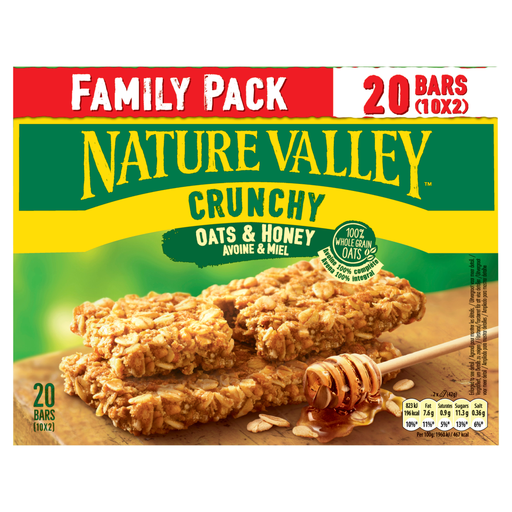
Why This Fits Their Persona: The 20-bar family pack suits households that want a ready supply for weekday snacks, packed lunches or casual eating at home.
The product details provide both per-100g and per-42g twin-wrapped portion information, making serving comparison clearer.
60% whole grain rolled oats; 20 bars arranged in 10 twin-wrapped portions.
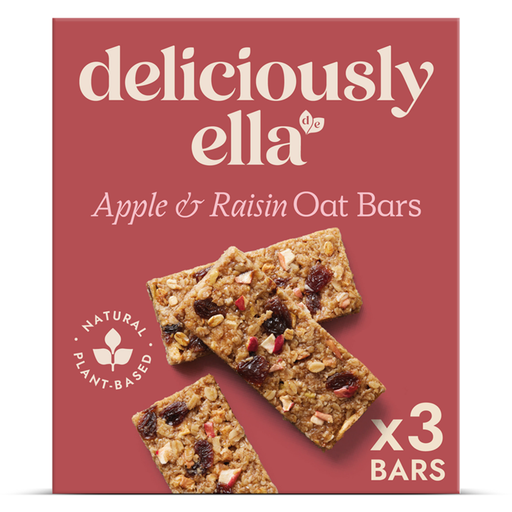
Why This Fits Their Persona: A suitable format for shoppers seeking vegan oat bars with a soft baked texture and fruit-and-spice flavour for work breaks or travel.
The supplied information identifies the recipe as vegan and gluten-free, while still advising shoppers to check the pack for current allergen details.
Apple, raisins and cinnamon; 213 kcal per 50g bar according to the supplied nutrition panel.

Why This Fits Their Persona: The 16-bar multipack is suited to active shoppers who want individually portioned oat bars for gym bags, commuting or outdoor activities.
The stated protein amount is 9g per 50g bar, allowing a direct portion-based comparison rather than relying only on “high-protein” wording.
16 x 50g format; listed as vegan and made with gluten-free oats, with soya identified in the allergen information.
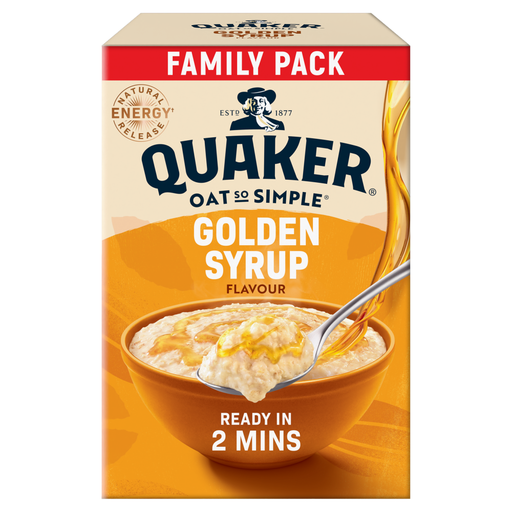
Why This Fits Their Persona: Twenty pre-portioned sachets can simplify weekday breakfasts for busy UK households with different morning schedules.
The instructions specify a 36g sachet, approximately 180ml of milk and microwave preparation, so time and portion requirements are clear.
20 x 36g sachets; made with 81% wholegrain rolled oats according to the supplied product details.
We have compiled a complete, real-time list of products that fully satisfy these strict selection criteria and UK safety regulations.
They can be convenient for breakfast, but suitability depends on the product and portion. Porridge sachets provide a prepared oat meal, while oat bars and flapjacks are portable but may contain more sugar or fat per portion. Compare the nutrition panel and consider adding fruit or yoghurt where appropriate.
Some are designed for children, including organic toddler snack bars labelled 12+ months. Others contain nuts, chocolate, honey or larger portions and may not suit younger children. Check age guidance, allergens and school restrictions, and supervise toddlers while eating.
Choose oat bars for individually wrapped, portable snacking. Oatcakes are usually better for home serving with toppings such as cheese, hummus or spreads. Check salt levels: the supplied Nairn’s Marmite & Cheese Oatcakes list 2.22g salt per 100g, which may be significant for shoppers comparing savoury options.